Building Trust with a Rescue Parrot: A Patient Guide
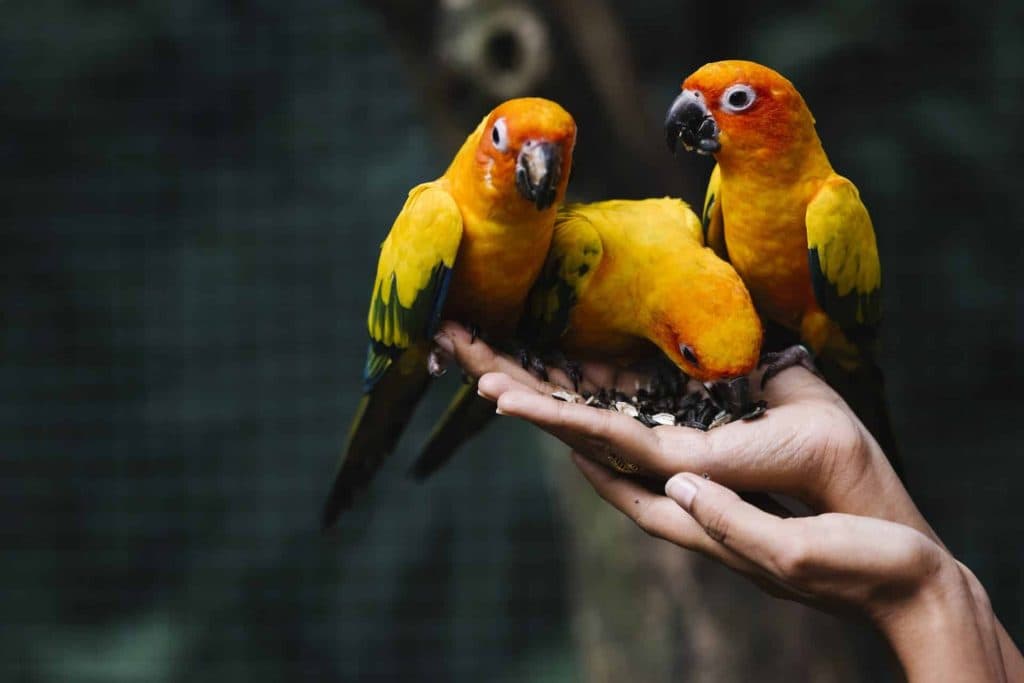
The Journey to Trust: Why Rescue Parrots Need Your Patience More Than Anything
When you open your heart and home to a rescue parrot, you're not just gaining a companion — you're becoming part of their healing journey. At Bird Sitting Toronto, we've worked with hundreds of rescue birds through our rehoming platform at rehoming.birdsittingtoronto.ca, and here's what we've learned: building trust with a rescue parrot isn't about quick wins or instant bonds. It's about showing up consistently, day after day, with patience as your greatest tool.
The truth is, many rescue parrots come to us carrying invisible wounds. They may have experienced neglect, trauma, or the confusion of multiple homes. Your new feathered friend might flinch when you approach their cage, refuse treats, or seem withdrawn for weeks. This isn't a reflection of you — it's their survival mechanism at work.
Understanding Your Rescue Bird's Background
Every rescue parrot has a story, and while you might not know all the details, understanding common experiences can help you approach your new companion with the empathy they deserve.
The Reality of Trauma and Neglect
Many birds end up in rescue situations due to circumstances beyond their control. We've seen birds who lived in cramped, dirty cages for years, others who were fed poor diets, and some who rarely had human interaction. Some have experienced:
- Physical neglect (poor diet, inadequate veterinary care, dirty living conditions)
- Emotional neglect (isolation, lack of stimulation, inconsistent care)
- Traumatic experiences (loud arguments, sudden rehoming, loss of bonded humans)
- Medical issues that went untreated
The Impact of Multiple Rehomes
Here's the thing — parrots are incredibly intelligent and form deep emotional bonds. When they're passed from home to home, each transition can feel like abandonment. A bird who's been rehomed multiple times may:
- Be hesitant to form new attachments
- Show increased anxiety or fearfulness
- Display behavioral issues as coping mechanisms
- Take longer to adjust to new routines and environments
Important: Remember that behavioral challenges aren't "bad" behavior — they're communication. Your bird is telling you how they feel through their actions.
Why Patience is Non-Negotiable
In our experience boarding over 1,000 birds, we've learned that trust operates on bird time, not human time. While you might be eager to handle your new companion or see them settle in quickly, healing happens at its own pace.
The Timeline Reality
- First few days: Your bird may refuse food, hide, or show stress behaviors
- First few weeks: Gradual acceptance of your presence and routine
- First few months: Slow progress toward interaction and trust-building
- Six months and beyond: Deeper bonds and more confident behavior
Some birds surprise us and warm up within weeks, while others take six months or more to show significant progress. Both timelines are completely normal.
The 'No Expectations' Approach
This might sound counterintuitive, but approaching your rescue bird with zero expectations actually accelerates trust-building. When you release the pressure for specific outcomes, you create space for genuine connection to develop naturally.
Instead of expecting your bird to:
- Step up on command
- Accept head scratches
- Talk or vocalize
- Play with toys immediately
Focus on simply being a calm, consistent presence in their world.
Reading Body Language: Comfort vs. Fear
Learning to read your bird's body language is crucial for building trust without overwhelming them. Here's what to watch for:
Signs of Comfort and Relaxation
- Preening in your presence
- One foot tucked up while resting
- Relaxed posture with slightly fluffed feathers
- Quiet vocalizations or soft chatter
- Eating or drinking while you're nearby
- Playing with toys
Signs of Fear or Stress
- Pinned eyes (rapidly contracting pupils)
- Feathers slicked tight against the body
- Crouching low with wings slightly spread
- Backing away or pressing against the far side of the cage
- Rapid breathing or panting
- Aggressive lunging or biting attempts
Pro Tip: If you notice stress signals, take a step back — literally. Give your bird more physical space and slow down your approach.
The Power of Routine and Predictability
Rescue birds thrive on predictability because it helps them feel safe. When everything in their previous life felt uncertain, you can provide the gift of consistency.
Creating a Calming Routine
Morning routine:
- Uncover the cage at the same time daily
- Offer fresh food and water
- Speak softly to acknowledge their presence
- Give them space to wake up fully
Throughout the day:
- Maintain consistent meal times
- Keep household noise levels predictable
- Spend quiet time near their cage without demanding interaction
Evening routine:
- Dim lights gradually
- Offer a final check on food and water
- Cover the cage at the same time each night
Environmental Consistency
Place your bird's cage in a location where they can:
- See family activity without being overwhelmed
- Have a "safe" corner where they can retreat
- Experience natural light cycles
- Feel secure from sudden movements or loud noises
Gentle Desensitization Techniques
Desensitization is about gradually exposing your bird to new experiences at a pace they can handle. The key is making each exposure positive and brief.
Step-by-Step Approach
- Presence training: Simply sit near the cage reading or doing quiet activities
- Voice desensitization: Talk softly to your bird without expecting responses
- Movement training: Gradually introduce slow, predictable movements around their space
- Hand presence: Eventually, rest your hand near (not in) the cage while they eat
- Treat offering: Use a long spoon or stick to offer favorite foods
The Treat Bridge Method
We've found success using high-value treats to create positive associations:
- Identify your bird's favorite healthy treat (millet, small pieces of apple, nuts)
- Offer treats only during trust-building sessions
- Start by placing treats in their food bowl when they're watching
- Gradually move to offering treats through cage bars
- Eventually progress to hand-feeding if your bird shows interest
Warning: Never force interactions. If your bird shows stress signals, immediately back off and try again later with more distance or a slower approach.
When to Seek Professional Help
Sometimes, despite your best efforts, a rescue bird needs additional support. Consider consulting an avian behaviorist if:
- Your bird shows no progress after 3-4 months of consistent effort
- Aggressive behaviors are escalating rather than improving
- Self-destructive behaviors like feather plucking develop or worsen
- Your bird seems depressed or completely withdrawn
- You feel overwhelmed or unsure about your approach
A qualified avian behaviorist can assess your specific situation and provide targeted strategies for your bird's unique needs.
Success Stories: The Magic of Patient Love
At BST, we've witnessed incredible transformations when people commit to patient, consistent care. There's Maya, an African Grey who spent her first three months hiding in the back corner of her cage. Her new family simply talked to her daily and left treats nearby. Month four, she started moving to the front bars when they approached. By month eight, she was eagerly greeting them and had learned to say "good morning."
Then there's Charlie, a cockatiel who came to us after being surrendered twice. He was terrified of hands and would panic at any sudden movement. His forever family spent six months simply sitting near his cage, reading aloud. The breakthrough came when Charlie began singing along to their reading voice. Today, he's a confident, social bird who loves shoulder rides.
Final Thoughts: Trust is Worth the Wait
Building trust with a rescue parrot isn't just about patience — it's about respect. You're showing your bird that they have agency in this relationship, that their comfort matters, and that love doesn't come with demands attached.
The bond you'll eventually share will be deeper and more meaningful because it was built on mutual respect and genuine care. Every small step forward — the first time they eat while you're watching, the first soft vocalization in your direction, the first time they don't flee when you approach — represents a victory for both of you.
Remember, you're not just gaining a pet; you're offering a second chance at happiness to a creature who may have lost faith in human kindness. That's a responsibility worth taking slowly, carefully, and with all the patience your heart can hold.
Explore related topics
Related Articles
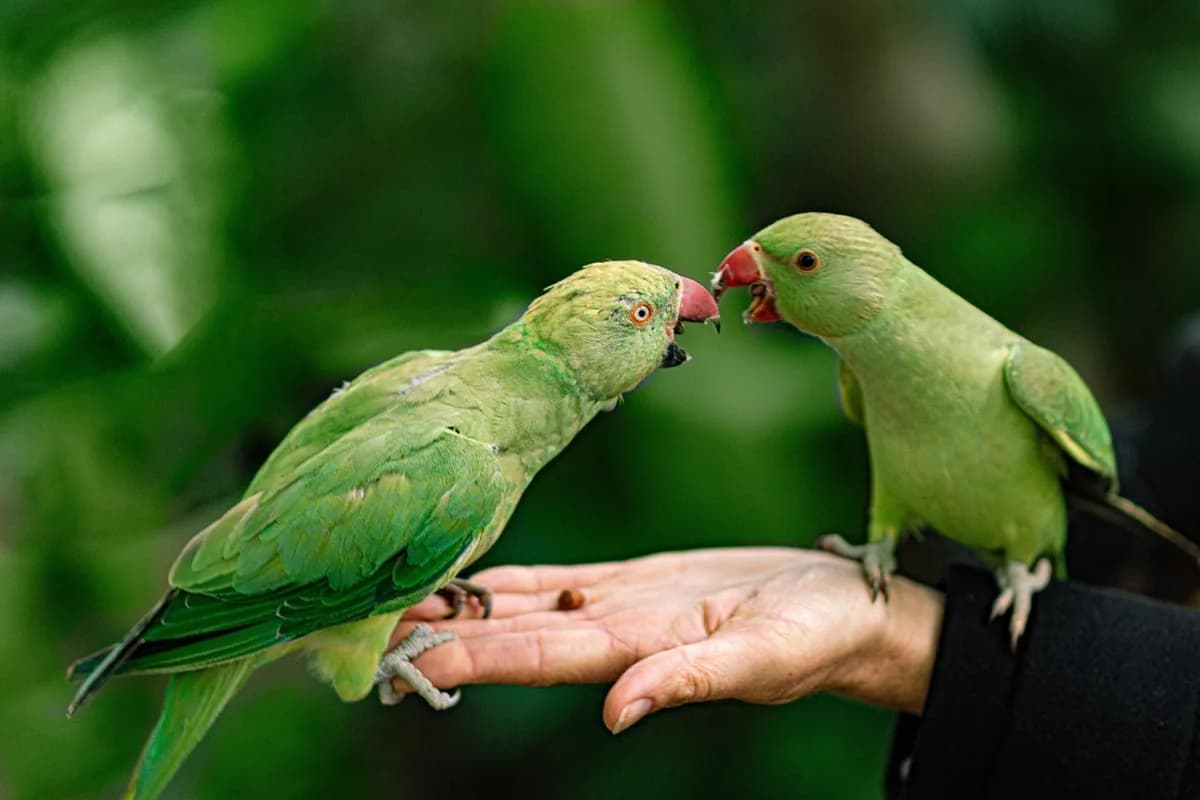
Adopting an Older Parrot: What to Expect and How to Succeed
Older parrots make incredible companions but come with established personalities and sometimes baggage. Here's how to thrive together.
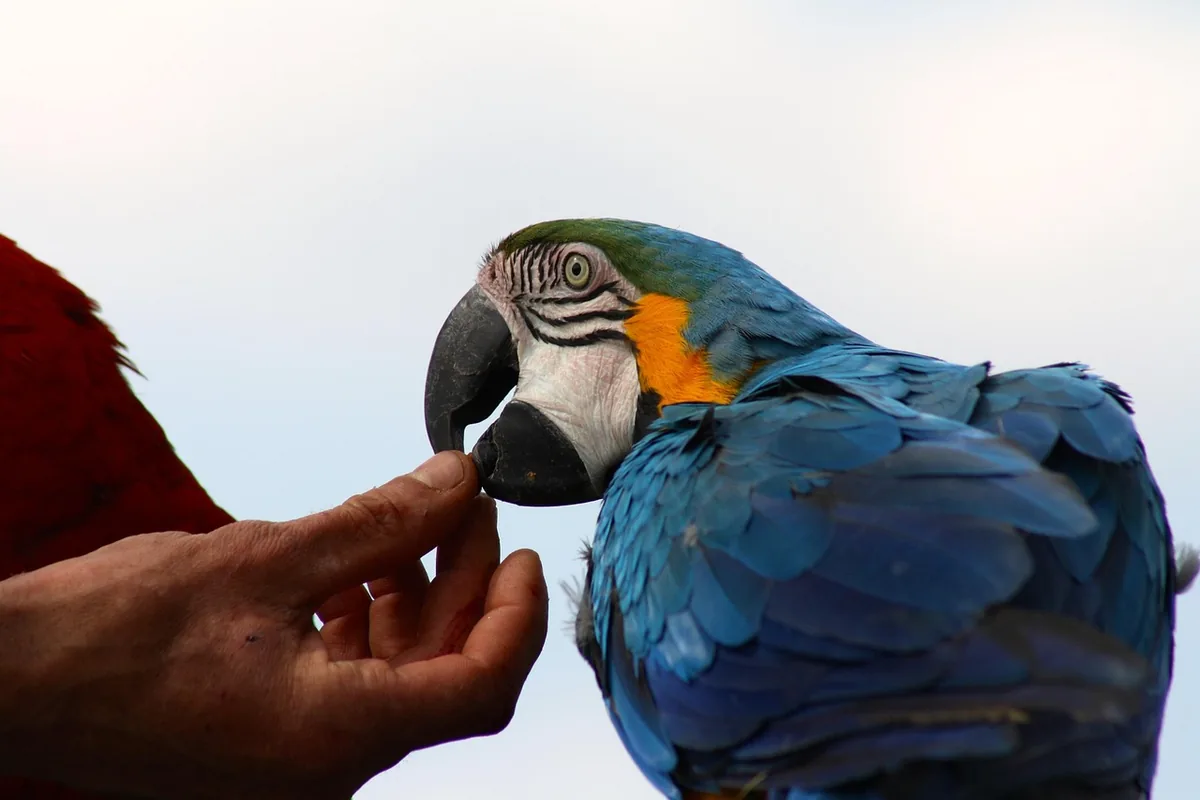
Building Confidence in a Shy Parrot: A Step-by-Step Guide
Some parrots are naturally shy or have been traumatized. Here's how to gently build their confidence.
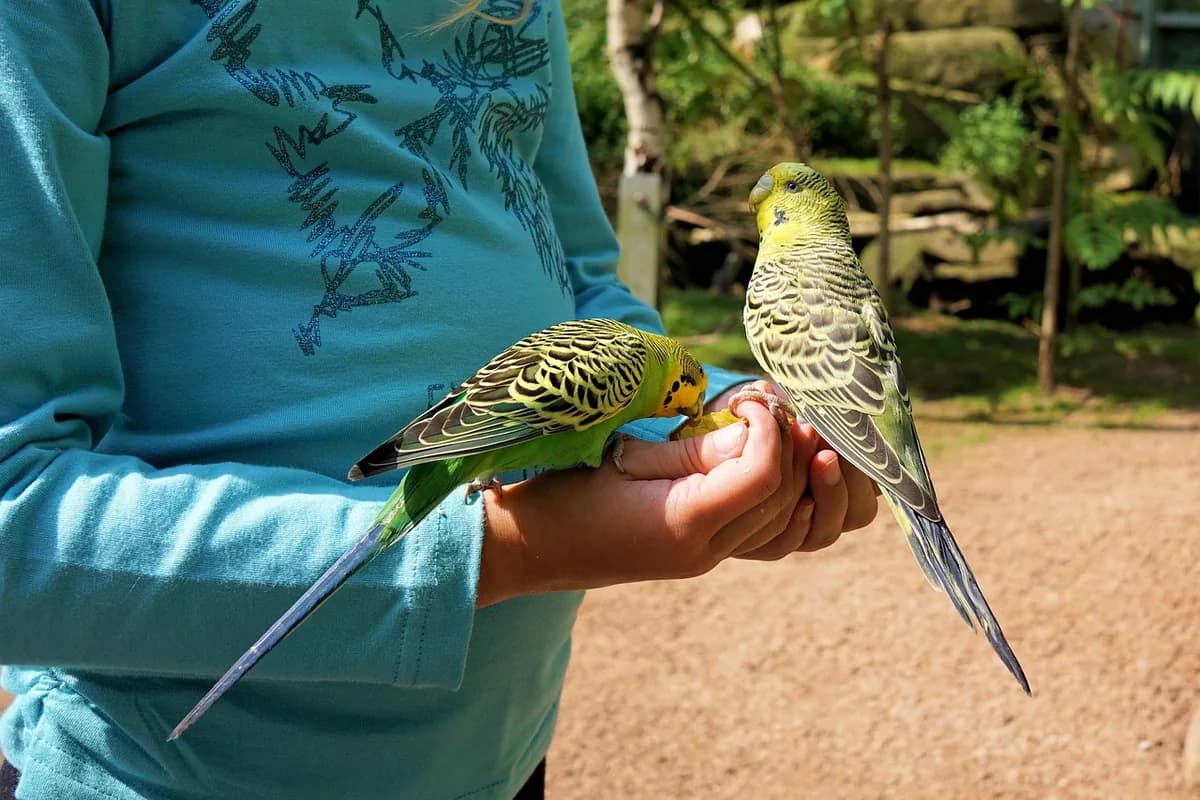
The Psychology of Parrot Trust: How Birds Decide to Trust You
Trust is the foundation of every good human-bird relationship. Here's the psychology behind how parrots evaluate trustworthiness.