Bug Wars: Natural Pest Control for a Bird-Safe Home
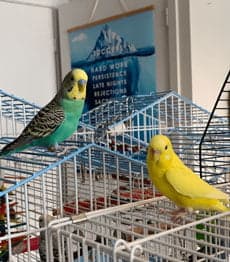
Every summer, like clockwork, the invasion begins. Clouds of fruit flies hover over the food dish, ant trails march along the baseboards, mosquitoes slip in through a torn screen, and moths turn up in the bird seed. Reaching for a can of bug spray is the obvious human reflex, but in a home with birds it is one of the most dangerous things you can do.
Birds have exquisitely sensitive respiratory systems. Their lungs are paired with a network of air sacs that move air through the body in a continuous, highly efficient one-way flow, which means airborne toxins reach the bloodstream far faster than they would in a mammal. The Merck Veterinary Manual and the Association of Avian Veterinarians consistently warn that fumes harmless to us, including aerosol insecticides, foggers, scented candles, and self-cleaning oven off-gassing, can sicken or kill a bird in the same room. That biology is exactly why a bird-safe household has to fight pests differently.
The good news is that you rarely need chemicals to win. At Bird Sitting Toronto, where we board hundreds of birds every year, we rely almost entirely on prevention and simple non-toxic methods. They work, and they keep the air your bird breathes clean.
Start With Prevention
Your best defense is never letting bugs settle in. Once an infestation takes hold, clearing it out is much harder in a bird home because the strongest chemical tools are off the table. A few universal habits stop most problems before they start:
- Seal cracks and gaps, and repair torn window and door screens.
- Store dry goods and bird food in airtight containers, and refrigerate perishables.
- Wipe up food debris and spilled seed daily, and take the trash out regularly.
- Keep outdoor garbage and compost bins well away from doors and windows.
Tip: Do a five-minute "pest sweep" of your bird's area each evening. Pull the seed catcher, toss dropped fruit and veg, and wipe the cage tray. Most infestations start in the crumbs and produce left under a cage overnight.
Here is a quick overview of the four pests Toronto bird owners run into most, and the safest way to handle each.
| Pest | Why it shows up | Safest first move |
|---|---|---|
| Ants | Scout trails leading to spilled food | 50% vinegar wipe-down; cage legs in soapy water |
| Mosquitoes | Standing water; open dawn/dusk windows | Dump standing water; screens; a fan by outdoor cages |
| Fruit flies | Ripening fruit and cage-bottom waste | Remove leftover produce fast; vinegar-and-soap trap |
| Seed moths | Eggs already in purchased grain | Airtight storage; freeze new seed 3 to 4 days |
Ant Invasions
Ants are relentless problem-solvers. A colony sends out scouts, and once a scout finds food it lays down a scent trail for the rest to follow. Break the trail and you break the invasion.
Natural Ant Control
- Wipe surfaces with a 50% vinegar-and-water solution to erase scent trails.
- Lay down barriers of talcum powder or a chalk line across their path.
- Repel them with cinnamon, black pepper, cayenne, cloves, or lemon juice.
- Scatter used coffee grounds around outdoor entry points.
- Place cornmeal where ants are active. They gather it but cannot digest it.
- Use cucumber or citrus peels as a natural deterrent.
- Pour boiling water directly into visible cracks and nests outdoors.
Tip: To protect a cage from a persistent ant trail, stand each cage leg in a shallow pan of soapy water. Ants cannot cross the moat, and it keeps them out of your bird's food entirely.
Mosquito Madness
Mosquitoes are more than an itch. They transmit West Nile Virus, a genuine threat to birds as well as people. Birds are a primary host in the virus's cycle, and it circulates in the Greater Toronto Area every summer, so keeping mosquitoes away from your flock genuinely matters.
How to Keep Mosquitoes Away
- Eliminate standing water. Refresh birdbaths and water bowls often and keep gutters clear, because standing water is where mosquitoes breed.
- Repair screens and seal cracks so they cannot get indoors.
- Do not leave birds outside at dawn or dusk, when mosquito activity peaks.
- Set up mosquito netting, or run a fan near outdoor cages. Mosquitoes are weak fliers and cannot fight even a light breeze.
- Plant repellent herbs such as citronella grass, catnip, rosemary, marigold, tansy, and basil near patios and windows.
- Encourage natural predators. A backyard bat house helps, since a single bat can eat hundreds of small insects in an hour.
Warning: Never burn citronella candles, coils, or incense near your bird. The smoke and fumes irritate the avian respiratory tract, and in a closed space they can be fatal. If you use them at all, keep them outdoors and well away from where birds are housed.
Fruit Fly Frenzy
Fruit flies lay hundreds of eggs on ripening produce and are drawn straight to bird dishes and cage bottoms. Since fresh vegetables and fruit should be a daily part of a healthy parrot's diet, some fruit-fly pressure is unavoidable in summer. The trick is to give them nothing to breed in.
Fruit Fly Control
- Serve smaller produce portions and pull leftovers within a couple of hours.
- Wipe counters and prep surfaces after every meal.
- Clear cage waste and dropped food frequently.
- Refrigerate fruits and vegetables during fly season instead of leaving them on the counter.
- Seal gaps around windows and screens where flies drift in.
Fruit Fly Traps
- Leave out a jar of apple-cider vinegar with a few drops of dish soap overnight. The soap breaks the surface tension so the flies sink.
- Put banana chunks in a jar, cover with plastic wrap, and poke a few small holes. They crawl in and cannot get out.
- Use a commercially available non-toxic trap for stubborn cases.
Moth Mayhem
Bird-seed moths, usually Indian meal moths, are especially frustrating because the eggs often arrive already hidden inside the grain you buy. The larvae spin telltale silky webbing through the seed before maturing into flying adults, and the full life cycle runs roughly one to two months, so an unnoticed batch can reinfest your supply again and again.
Seed Moth Prevention
- Store all bird food in airtight glass or hard-plastic containers, never the original bag.
- Freeze newly purchased seed for 3 to 4 days to kill any eggs or larvae before it goes into storage.
- Throw out any food showing webbing, clumping, or live larvae, and clean the container before refilling.
Moth Elimination
- Physically remove cocoons from cracks, cupboard tops, and ceiling corners where larvae crawl to pupate.
- Tuck a little dried basil into food containers as a deterrent.
- Mix a small amount of food-grade diatomaceous earth into seed to abrade and kill larvae.
- Set pheromone-based moth traps to catch breeding adults and break the cycle.
Warning: Only ever use food-grade diatomaceous earth, and add it while your bird is out of the room, because the fine dust can irritate sensitive avian airways. If you resort to a pyrethrin-based product, treat only empty, well-ventilated rooms and return your bird only once the area is fully aired out. Pyrethrins are widely used but still carry respiratory risk for birds.
Final Thoughts
You do not need harsh chemicals to win the bug wars. With a little preparation, some daily vigilance, and the non-toxic methods above, you can keep ants, mosquitoes, fruit flies, and moths in check while protecting the one thing that matters most: the clean air your feathered family depends on. When you are unsure about a product, or facing a pest problem you cannot get ahead of, check with your avian veterinarian before bringing anything into the room your bird breathes in.
Explore related topics
Related Articles
Bird-Proofing Your Home: A Room-by-Room Safety Guide
Your home is full of hidden dangers for birds. This room-by-room guide helps you create a truly safe environment.
Bird-Safe Houseplants: A Complete List for Bird Owners
Love plants and birds? Here's your definitive guide to which houseplants are safe and which can kill your parrot.
Emergency Evacuation Plan for Bird Owners: Be Prepared for Anything
Fire, flood, power outage — do you have an evacuation plan for your bird? Most owners don't. Here's how to create one.