Budgie Diet and Nutrition: The Complete Feeding Guide
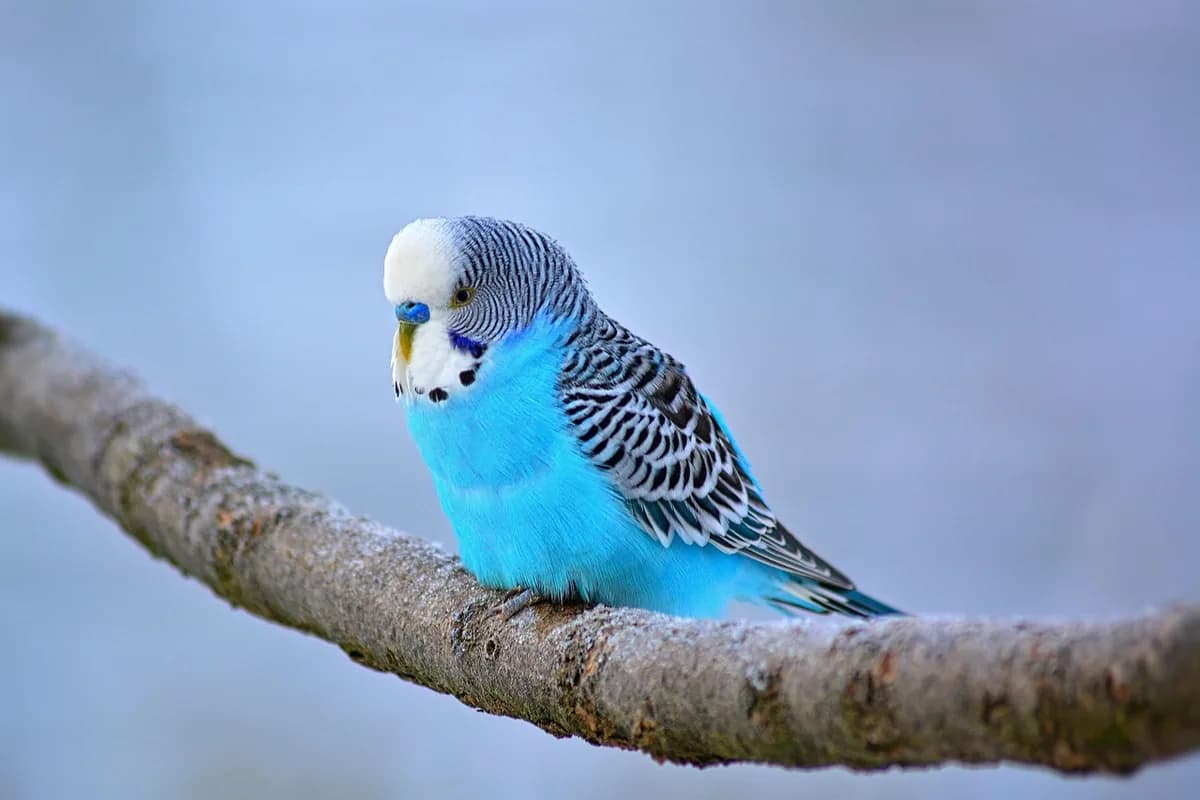
If there is one thing that shortens a budgie's life more than any other, it is the bowl of seed. Budgies (Melopsittacus undulatus) are grass-parakeet granivores — in the Australian wild they eat the seeding heads of native grasses, but they eat them green, unripe, and alongside a constantly changing landscape of plants. The dry, oily seed mix sold for pet budgies bears little resemblance to that, and a bird left on it alone slides toward obesity, fatty liver, and iodine-deficiency goitre. At Bird Sitting Toronto, where we board hundreds of birds every year, the seed-only budgie is the one whose owner is most surprised to hear their bird is at risk. Good news: the fix is entirely in your hands.
What a Budgie Actually Needs
A budgie weighs just 30-40 grams, so every gram it eats counts. Its diet needs to deliver balanced protein, controlled fat, and — critically — enough iodine and other trace minerals that seed alone cannot supply. Chronic iodine deficiency causes the thyroid to swell (goitre), which presses on the airway and crop; the classic warning signs are a soft clicking or squeaking with each breath and regurgitation that isn't courtship-related. This is entirely preventable with a varied, fortified diet.
The Pellet-Forward Standard for a Stubborn Bird
The modern avian-veterinary consensus, echoed by Lafeber and the Association of Avian Veterinarians, is that a formulated pellet should be the majority of a parrot's diet. Budgies are no exception — but they are the poster child for resisting the switch. A bird raised on seed may refuse pellets for weeks. That's normal, not a sign that budgies "need" seed. Push through it with vegetables and sprouted seed rather than surrendering to the seed dish.
| Food group | Share of diet | Examples |
|---|---|---|
| Formulated pellets | 75-80% | Roudybush, Harrison's, TOP's, Lafeber (buy a budgie/small-parrot size crumble) |
| Fresh vegetables & greens | ~20-25%, veg-forward | Kale, romaine, grated carrot, broccoli, bell pepper, dandelion greens, snap peas |
| Fresh fruit | small portion of the above | Berries, apple (no seeds), mango — a treat, not a staple |
| Seeds / sprouted seed / millet | ~5%, treats only | Spray millet for training; sprouted seed as a living, lower-fat form of their favourite food |
Tip: Sprouting is a budgie superpower. Soaking and sprouting the seed they love converts stored fat and starch into fresh protein, enzymes, and vitamins, and drops the fat content — so the bird eats the food it already trusts, in a far healthier form. Rinse sprouts well and discard any that smell off; sprouts spoil quickly.
Safe Foods
Vegetables (the heart of the fresh portion): kale, romaine and other dark lettuces, dandelion greens, bok choy, broccoli (florets and grated stem), grated carrot, bell pepper, zucchini, snap peas, cooked sweet potato, cilantro, and a little cooked squash. Dark leafy greens and orange vegetables are especially valuable for vitamin A.
Fruits (in small amounts): blueberries, raspberries, apple without seeds, mango, papaya, melon, seedless grapes, a sliver of banana.
Cooked grains and legumes (occasional): cooked quinoa, brown rice, or a few well-cooked lentils or chickpeas add variety and protein.
Chop everything small — a budgie's beak is tiny, and finely diced or grated food is far more likely to be eaten than large chunks.
Toxic Foods — Never Feed These
These are not "moderation" foods; they are genuine poisons for a bird this small.
- Avocado — contains persin, which causes heart failure and death in birds. No exceptions.
- Chocolate — theobromine (and caffeine) cause vomiting, seizures, and cardiac arrest.
- Caffeine — coffee, tea, energy drinks, cola; a stimulant a 35-gram heart cannot handle.
- Alcohol — depresses the nervous system; even a taste can be fatal.
- Onion and garlic — contain sulphur compounds that rupture red blood cells, causing anemia.
- Fruit pits and apple seeds — apple, cherry, peach, apricot, and plum kernels are cyanogenic (release cyanide). The apple flesh is fine; the seeds are not.
- Salt and salty snacks — a budgie's kidneys can't clear a salt load; chips and crackers are dangerous.
- Uncooked (dried) beans — contain hemagglutinin, a toxin destroyed only by thorough cooking.
- Mushrooms — many species are toxic to birds and the digestive effects are unpredictable; skip them.
Warning: Also keep budgies away from anything cooked in a non-stick pan, and never feed from a plate seasoned with salt, garlic, or butter. For a bird this size, the margin for error is measured in milligrams.
Meal Prep: The "Chop" Method
The easiest way to feed a budgie well is a chop — a big batch of finely diced vegetables (and a little cooked grain) made once and frozen in small daily portions. Each morning, thaw a portion, mix in a pinch of fresh sprouts, and serve it in a shallow dish beside the pellets. Offer fresh food early in the day when appetite is highest, and remove it after a few hours so nothing spoils in a warm room.
Transitioning Off Seed
Budgies convert slowly — plan on weeks to months, and never starve a bird onto pellets.
- Introduce pellets in their own dish next to the seed, so the change is optional at first.
- Serve fresh chop every morning, experimenting with textures — grated, chopped, warmed — until you find what tempts your bird.
- Gradually reduce the seed portion over 4-6 weeks, measuring it so you know it's actually shrinking.
- Weigh your bird weekly on a gram scale. A budgie should hold steady in the 30-40 g range; a drop of more than about 10% means slow down and add food back.
- Use their social nature — budgies learn by watching. Eat a pellet or a piece of veg "yourself" in front of them, or let a converted flockmate model the behaviour.
Supplements and Hydration
A bird eating a proper pellet-plus-vegetable diet rarely needs added vitamins, and over-supplementing can cause its own harm — get the diet right first. If your bird is still seed-heavy during a transition, ask your avian vet about a temporary iodine source; do not dose on your own. Keep a cuttlebone or mineral block available for calcium, especially for hens. Fresh, clean water must be available at all times and changed at least twice daily; many budgies love to bathe, so offer a separate shallow bathing dish to keep the drinking water clean.
Get the bowl right, and you remove the single biggest preventable threat to your budgie's decade-plus lifespan.
Explore related topics
Related Articles
Can Parrots Eat Human Food? A Complete Guide to Sharing Meals
Your parrot wants to eat off your plate. Which human foods are safe to share and which are dangerous?
The Complete Guide to Parrot Pellets: Brands, Conversion, and Myths
Pellets should be 50-70% of your parrot's diet, but not all pellets are equal. Here's everything you need to know.
Cooking for Your Parrot: 15 Recipes and Meal Ideas They'll Love
Variety is the spice of your parrot's diet. These easy recipes make feeding time exciting and nutritious.