Boosting Parrot Wellness with Fresh Juicing
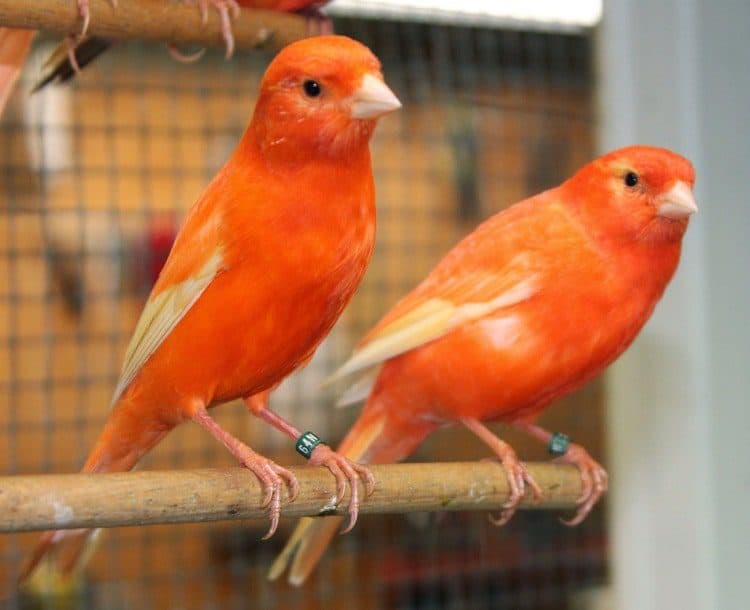
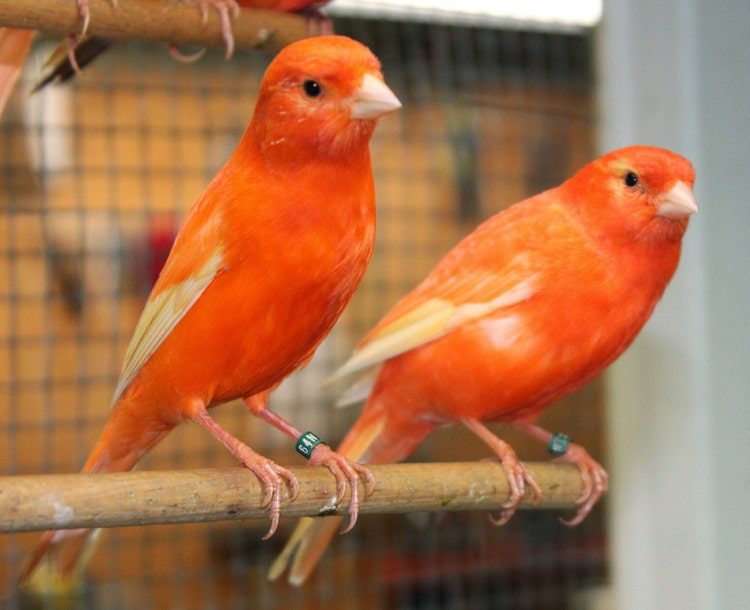
The juice of fresh fruits and vegetables is one of the richest sources of vitamins, minerals, and enzymes available. These live plant nutrients deliver energy and vitality in a form that parrots are naturally adapted to absorb. Juicing is like offering your bird a vitamin-mineral-enzyme cocktail—and they love it!
Why Juice for Parrots?
By removing fiber, juicing allows nutrients and phytochemicals to be quickly absorbed with minimal digestive effort. Juices are also packed with enzymes, which support digestion, brain activity, cellular energy, and tissue repair.
Juicing at Home
Homemade juice using a quality juicer ensures that your parrot gets a fresh, chemical-free supplement to their diet. Dr. Dave McCluggage, a holistic veterinarian, recommends juicing favorites like apples, carrots, kale, and spinach. The leftover pulp can be used in bird bread or composted.
Fruits and Vegetables: Nature’s Medicine
Fruits and veggies contain essential nutrients in different forms. While juice is no substitute for whole food, it provides a concentrated nutrient boost that’s especially helpful given modern food’s reduced nutritional value due to poor soil and long storage times.
Juicing vs. Supplements
Juicing helps avoid the risk of overdosing with synthetic vitamins, which may cause side effects like nervousness, aggression, feather plucking, and even organ damage.
What to Juice and How
Buy organic when possible, wash thoroughly, peel contaminated skins, and avoid seeds like those in apples due to toxins. For better taste, mix leafy greens with sweet fruits like carrots or apples. Carrot juice, in particular, is rich in beta-carotene and a favorite among parrots.
Serving Juice
You can hand-serve juice in cups or soak dry foods in juice for flock feeding. Fresh juice should be consumed immediately or stored briefly in sealed glass containers or frozen in cubes.
Juicing Equipment
Invest in a quality juicer or start by blending and straining produce. Always cut produce to fit your equipment. Wrap small or dense pieces like garlic in leafy greens to help them process smoothly.
Popular Juice Combos
Try carrot, apple, and ginger as a first recipe. Carrot and apple are staple ingredients. Sweet juices should be used sparingly, especially for parrots prone to obesity, such as Amazons.
Key Health Benefits of Specific Juices
Arthritis
- Broccoli, kale – Pantothenic acid
- Kale, parsley, spinach – Vitamin C
- Spinach, carrot – Vitamin E
- Carrot, ginger root, apple – Copper
- Cherry, blueberry – Bioflavonoids
- Pineapple – Bromelain
Calcium Deficiency
- Kale, mustard greens, carrots, kohlrabi, watercress, cabbage, turnip and beet tops
Candidiasis
- Kale, spinach, turnip greens – Vitamin B6
- Swiss chard, turnip, garlic, radish – Selenium
- Parsley, beet greens, dandelion greens, broccoli – Iron
Cancer Protection
- Beet juice – Betanin and sulfur amino acids
Cataracts
- Carrot, kale, parsley, spinach – Beta-carotene
- Garlic – Vitamin B1
- Spinach, asparagus, broccoli – Vitamin B2
- Kale, parsley, green pepper, broccoli – Vitamin C
- Spinach, asparagus, carrot – Vitamin E
- Chard, turnip, garlic, orange – Selenium
- Carrot, garlic, ginger – Copper
- Spinach, turnip greens, beet greens, carrot – Manganese
- Ginger root, parsley, garlic, carrot – Zinc
Feather, Skin & Nail Health
- Parsnips – Blend with apples or carrots for better taste
Fungal Infections
- Garlic – Use sparingly, mix with carrots and ginger
Gout
- Kale, beet greens, broccoli – Folic acid
- Kale, parsley, pepper, strawberry – Vitamin C
- Pineapple – Bromelain
- Green vegetables – Omega-3s
- Cherry, strawberry – Neutralize uric acid (remove pits)
Infections
- Blueberry, currant – Antibacterial
- Grape, apple, cabbage – Antiviral
- Garlic – Natural antibiotic
- Pineapple – Anti-inflammatory
- Celery, carrot, Swiss chard – High in potassium and sodium
- Ginger, parsley, carrot – Zinc
- Kale, red pepper, collard greens – Low-sugar vitamin C
- Tomato, cabbage, pepper – Low-sugar bioflavonoids
- Carrot, kale, spinach – Low-sugar beta-carotene
Liver Toxicity
- Dandelion greens (dilute with carrot)
- Tomato with lemon juice or cayenne
- Carrot – Excellent cleanser
Metal Toxicity
- Potato juice – Contains phytochelatins
- Carrot, peas, cabbage, tomato, cranberries
Motion Sickness
- Ginger – Natural anti-nausea agent
- Kale, spinach – Vitamin B6
- Sweet pepper, kale, strawberry – Vitamin C
- Turnip greens, broccoli, lettuce – Vitamin K
Pain Relief
- Chili peppers – Capsicum diluted with carrot juice
Sinus Problems
- Kohlrabi with pineapple juice
Skin Disorders
- Celery, cucumber, beets, red grapes (with seeds)
Stress
- Broccoli, kale – Pantothenic acid
- Red pepper, kale, collard greens – Vitamin C
- Ginger, parsley, carrot – Zinc
- Collard greens, parsley – Magnesium
- Parsley, Swiss chard, spinach – Potassium
- Carrot, collard greens, parsley – Beta-carotene
Thyroid Support
- Radishes and tops – Contain raphanin
Tonic
- Wheat grass and barley grass – Use sparingly
- Cayenne – Natural stimulant
Vision
- Carrot juice – Rich in vitamin A
- Passion fruit – Remove seeds before juicing
Conclusion
Juicing is a practical, nutritious, and natural way to enhance your parrot’s diet. Birds that regularly enjoy fresh juice often display vibrant feathering and alert eyes. Even better, juicing for your feathered companions benefits your own health as well!
Explore related topics
Related Articles
Can Parrots Eat Human Food? A Complete Guide to Sharing Meals
Your parrot wants to eat off your plate. Which human foods are safe to share and which are dangerous?
The Complete Guide to Parrot Pellets: Brands, Conversion, and Myths
Pellets should be 50-70% of your parrot's diet, but not all pellets are equal. Here's everything you need to know.
Cooking for Your Parrot: 15 Recipes and Meal Ideas They'll Love
Variety is the spice of your parrot's diet. These easy recipes make feeding time exciting and nutritious.