Bird Socialization and Travel Preparation: A Complete Guide
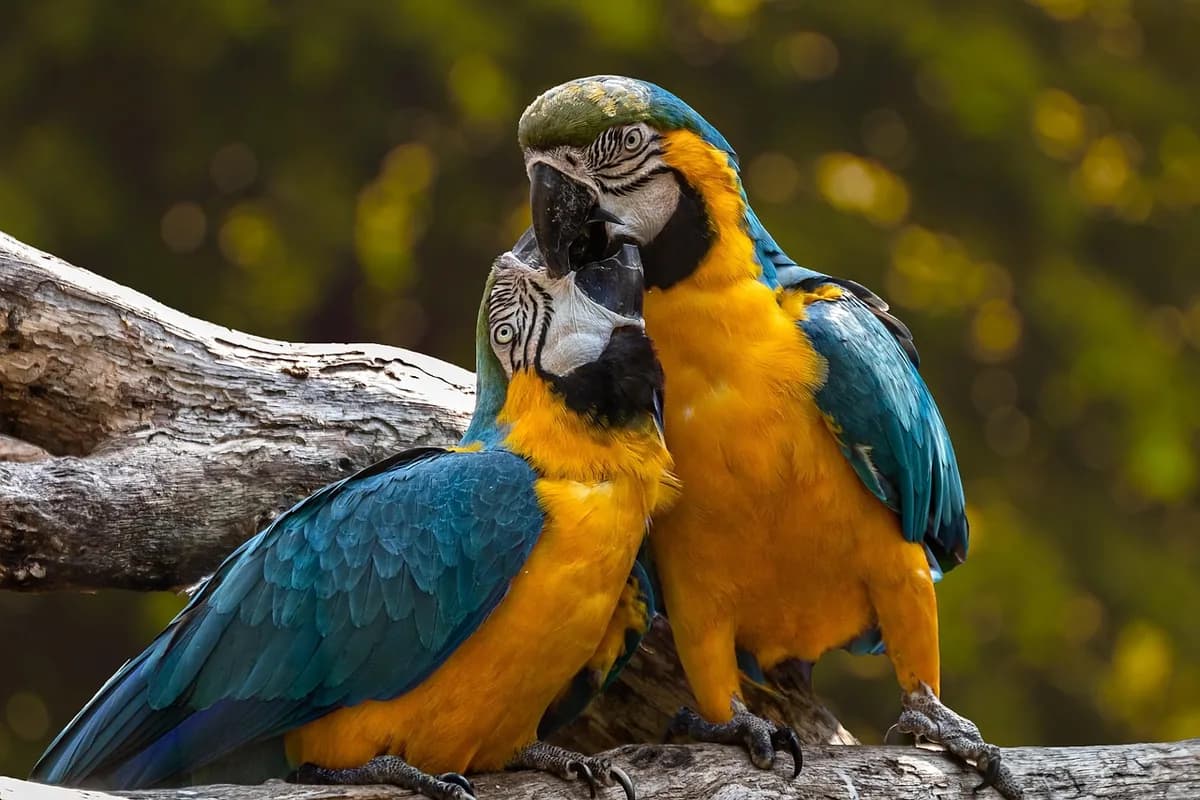
A well-socialized bird is calmer, more adaptable, and far easier to handle when life changes around it — a vet visit, a boarding stay, a house full of holiday guests, or a move across the city. Socialization is not a personality trait your bird is born with; it is a skill you build through short, positive, repeated experiences.
At Bird Sitting Toronto, where we board hundreds of birds every year, the guests who settle in fastest are almost always the ones whose owners invested early in gentle exposure to new people, new places, and the travel carrier. The good news is that every bird, at any age, can make progress. You are not aiming for a bird that loves everything. You are aiming for a bird that can meet the unfamiliar without panic.
Read Your Bird First
Before any socialization session, learn to read your bird's body language. Pushing a frightened bird forward teaches it that new experiences are dangerous; ending on a calm, rewarded note teaches the opposite. Watch your bird throughout every session and let its signals set the pace.
| Relaxed and receptive | Stressed — slow down or stop |
|---|---|
| Loosely fluffed feathers, gentle preening | Feathers slicked tight against the body |
| Beak grinding, soft chatter or song | Rapid breathing or open-beak panting |
| Eating or taking treats readily | Refusing food, backing into a corner |
| Standing calmly, resting on one foot | Leaning away, eye-pinning, lunging or biting |
Tip: Always end a session while your bird is still relaxed. Two calm minutes beat ten minutes that end in a panic — the last feeling is the one your bird remembers, and it decides how the next session begins.
Socializing With People
Birds that meet only one person tend to bond to that person alone and grow anxious or aggressive with everyone else. Broad, positive exposure early on builds a bird that can accept a sitter, a vet tech, or a visiting relative without falling apart. Move through these stages at your bird's pace, only advancing once it stays relaxed at the current step.
- Start with observation. Have visitors sit quietly in the same room without approaching or reaching toward the cage. Let your bird simply get used to a new presence.
- Offer parallel treats. Ask the new person to gently toss a favourite treat near the bird — not hand-feed yet. This pairs the stranger with something good.
- Move to direct interaction. Once your bird is relaxed, the visitor can offer a treat from an open, flat palm held at chest height, letting the bird choose to approach.
- Practice step-up with others. Have trusted friends and family members ask for a calm step-up, so handling is not tied to you alone.
- Keep exposure regular. Consistent, low-pressure contact with different people prevents the single-person bonding that makes boarding, sitters, and vet visits so much harder later.
Carrier and Travel Training
Many birds are terrified of the travel carrier because their only experience with it is being crammed inside once a year for a stressful vet trip. Reward-based carrier training — the approach favoured by avian veterinary consensus — flips that association, turning the carrier into a familiar, safe space long before you actually need to use it.
- Make the carrier a good place. Leave it open in the bird's room with treats, foraging toys, and a familiar perch inside so your bird explores it on its own terms.
- Feed meals nearby. Set the food dish beside the carrier, then gradually move it to the doorway and finally just inside.
- Target inside. Use target training to guide your bird through the door on cue, rewarding each success.
- Close the door briefly. Start with about five seconds, reward, and open. Slowly build up the duration over many sessions.
- Add short car rides. Once your bird is comfortable being closed in, take a quiet drive around the block and reward afterward.
- Keep it fresh. A short carrier session every few weeks keeps the skill sharp, so travel stays routine rather than an annual ambush.
Warning: Never place a carrier in direct sunlight or near a heater or dashboard vent. Birds cannot sweat and overheat dangerously fast. Signs of heat distress include open-beak panting, holding the wings out from the body, and listlessness — cool your bird and call your avian vet immediately if you see them. Keep the carrier partially covered for a sense of security while leaving plenty of airflow.
In a Toronto winter, cold is the mirror-image risk: warm the car before you load your bird, keep the walk from the door to the car short, and cover the carrier to buffer the temperature swing. Never leave a bird in a parked car in any season — a cold car chills as fast as a hot one bakes.
Socializing With Other Pets
Birds can share a home with cats, dogs, and other animals, but direct interaction must always be supervised. Even a gentle, well-meaning pet can kill a bird with a single swipe or nip. Cat bites and scratches are especially dangerous: feline mouths and claws carry Pasteurella multocida, a bacterium that the Merck Veterinary Manual notes can cause fatal infection in birds within a day or two, even when the wound looks minor. Any cat contact — bite, scratch, or a mouthful of feathers — is an emergency avian-vet visit, not a wait-and-see.
- Never leave your bird outside the cage when a cat or dog is loose in the room.
- Keep the cage in a room that can be closed off from other pets when you are away from home.
- Watch for predatory body language — fixed staring, stalking, a slow tail twitch, or a crouch — and calmly separate the animals before it escalates.
- Allow supervised visual exposure at a safe distance so every animal can adjust without contact.
- Position the cage high enough that ground-level pets cannot reach or knock it, and secure it against tipping.
Tip: Slow, boring introductions are the successful ones. If your dog or cat ignores the bird and the bird keeps eating, you are doing it right — that calm indifference is exactly the relationship you want.
Preparing for Vet Visits
The Association of Avian Veterinarians recommends a wellness exam at least once a year for pet birds, since birds instinctively hide illness and a checkup often catches problems long before you would notice them at home. A carrier-trained, well-handled bird makes that visit far less stressful for everyone.
- Practice carrier entry two or three times in the week before the appointment so it feels routine.
- Bring a favourite treat to reward your bird after the examination.
- Ask your vet to move slowly and narrate what they are doing, so nothing arrives as a surprise.
- Keep the carrier covered during transport to reduce visual stress and drafts.
- After the visit, give your bird quiet, low-traffic time to decompress before resuming its normal routine.
The Payoff
Every calm session you bank — a stranger's treat accepted, a door closed for five seconds, a quiet drive around the block — is deposited in a reserve your bird draws on when life gets unpredictable. When you finally do need to travel, board your bird, or rush to the vet, that groundwork is what stands between a frightened animal and a confident one. Start small, keep it positive, and end while your bird is still enjoying itself. The bird that meets the world without panic is the one that had plenty of gentle, successful practice long before it mattered.
Explore related topics
Related Articles
Ethical Bird Ownership: Breeder, Rescue, or Pet Store?
Where you get your bird matters — for the bird, for the species, and for the industry. Here's an honest look.
How Parrots Bond with Humans: The Science of the Human-Bird Relationship
The bond between a parrot and their human is real, deep, and scientifically documented. Here's how it works.
Joining the Bird Community: Clubs, Forums, and Resources for Parrot Owners
You don't have to figure out bird ownership alone. Here's where to find your bird-loving community.