Bird Nutrition for Optimal Training Performance
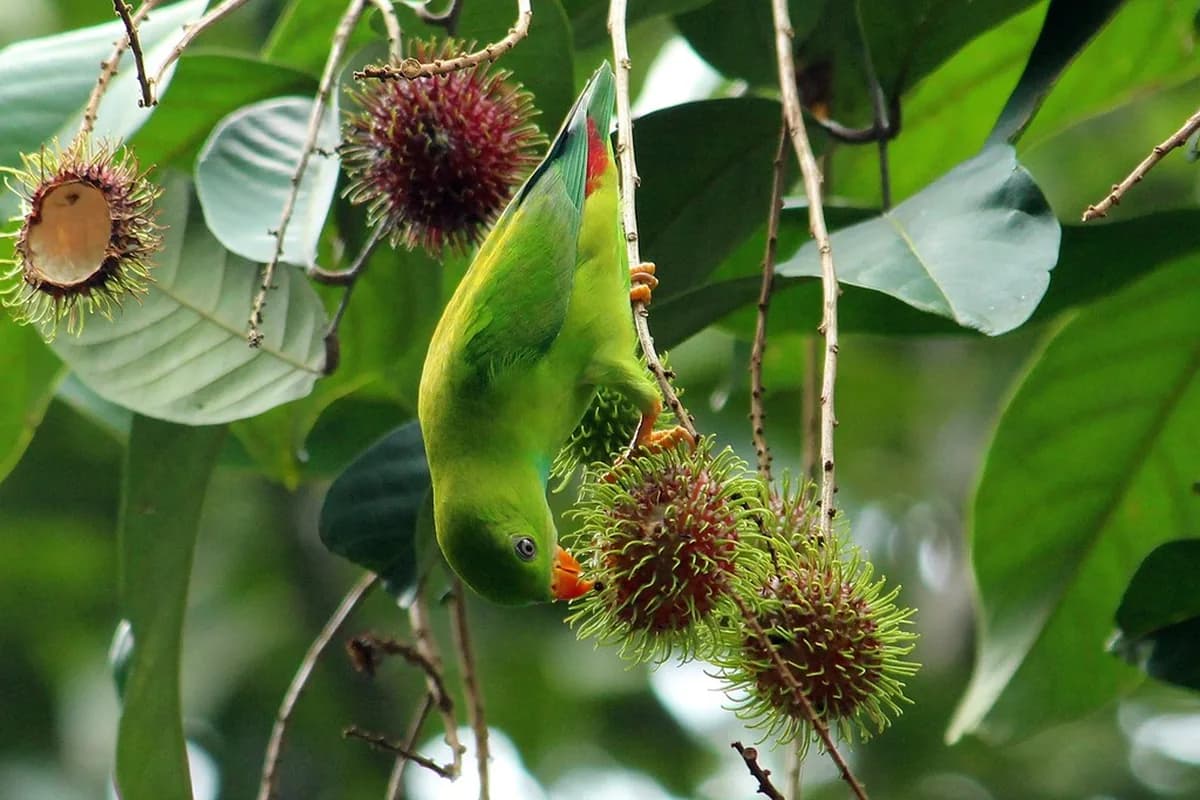
A healthy bird is a trainable bird. Poor nutrition shows up long before it shows up on a vet's scale: as lethargy, irritability, a short fuse, and a mind that simply will not settle enough to learn. No amount of clicker work or patience can out-train a hungry brain running on the wrong fuel. At Bird Sitting Toronto, where we board hundreds of birds every year, the calm, curious, quick-to-learn boarders are almost always the ones on a well-built diet at home. Get the food right and training becomes the easy part.
The Ideal Diet for Most Parrots
For the great majority of hookbill parrots you are likely to keep in a Toronto home — from budgies and cockatiels up through conures, African greys, amazons, and macaws — avian veterinary consensus and the Association of Avian Veterinarians point to a pellet-based diet as the foundation.
- Formulated pellets (~75-80%): A quality pellet is nutritionally complete and, unlike a seed mix, your bird cannot pick out its favourite high-fat bits and leave the rest. Harrison's, TOP's, Roudybush, and Lafeber are widely respected brands. This is the base of the plate.
- Fresh, veg-forward foods (~20-25%): Dark leafy greens, orange and red vegetables, and a smaller amount of fruit. Vegetables should outweigh fruit; fruit is nature's candy, high in sugar.
- Seeds and nuts (~5%, as treats): Not a staple. Seeds are high in fat and low in vitamin A and calcium, and a seed-only diet is one of the most common drivers of obesity and fatty liver disease in companion parrots. Save them for training.
- Clean water, changed at least twice daily: Birds foul water quickly with food and droppings. Fresh water is not optional.
Warning: Hookbill parrots do NOT need grit. Unlike some seed-swallowing birds that grind whole seeds in the gizzard, parrots shell their seeds before swallowing. Offering grit to a parrot can lead to crop and gizzard impaction. Skip it entirely unless your avian vet specifically prescribes it.
Not Every Bird Eats the Same Plate
The pellet-forward plan above is the default, but several species need a deliberately different approach. Matching the diet to the bird is one of the highest-value things you can do for both health and trainability.
| Bird | How the diet differs |
|---|---|
| Lorikeets & lories | Specialized nectar diet, not pellets. They have brush-tipped tongues built for nectar and pollen. Avoid high-iron foods to reduce the risk of iron storage disease. |
| Eclectus | Additive- and colour-sensitive; do best on a fresh, veg-forward whole-foods diet with plenty of natural vitamin A. Go easy on artificially coloured pellets. |
| Budgies & cockatiels | Should still be mostly pellets, but they convert slowly and stubbornly from seed. Push sprouts, chop, and greens, and transition gradually rather than cold-turkey. |
| Finches & canaries | Passerines, not hookbills. A quality seed mix can remain a staple, rounded out with pellets, fresh greens, and egg food. These are hands-off birds — enrichment over handling. |
Tip: Any diet change should be gradual, over days to weeks. Birds can be neophobic (suspicious of new food) and a stubborn seed junkie may starve rather than try pellets cold. Offer new foods alongside the familiar, at the times of day your bird is hungriest, and weigh regularly on a gram scale to confirm they are actually eating.
Safe Foods to Offer
Variety keeps a bird engaged and covers nutritional bases. Vegetables should form the bulk of the fresh portion; treat fruit as a smaller, sweeter accent.
| Category | Good choices |
|---|---|
| Leafy greens | Kale, dandelion greens, Swiss chard, spinach (in moderation — high in oxalates) |
| Vitamin-A vegetables | Carrots, cooked sweet potato, red and orange bell peppers, squash, broccoli |
| Other vegetables | Peas, green beans, zucchini, hot peppers (birds don't feel capsaicin heat) |
| Fruit (smaller share) | Apple (no seeds), banana, blueberries, mango, papaya, pomegranate, seedless grapes, strawberries, watermelon (no seeds) |
| Cooked grains & legumes | Cooked brown rice, quinoa, whole-wheat pasta, well-cooked beans and lentils |
Tip: Vitamin-A deficiency is common in seed-fed birds and undermines skin, feathers, and the immune system. Orange and dark-green vegetables — sweet potato, carrot, red pepper, kale — are your easiest fix. VCA Animal Hospitals and Lafeber both flag vitamin A as a nutrient seed diets chronically miss.
Toxic Foods — Never Feed These
Some foods are dangerous to birds even in small amounts. Keep these off the plate and out of reach entirely.
| Food | Why it is dangerous |
|---|---|
| Avocado | Contains persin, which can cause heart failure and sudden death in birds |
| Chocolate | Theobromine (and caffeine) — toxic to the heart and nervous system |
| Coffee, tea, energy drinks | Caffeine — cardiac and neurological toxin |
| Alcohol | No safe amount; affects a small body catastrophically |
| Onion & garlic | Damage red blood cells and can cause anaemia |
| Fruit pits & apple seeds | Cyanogenic — cherry, apricot, peach pits and apple seeds release cyanide compounds |
| Uncooked or dried beans | Contain hemagglutinin; only fully cooked beans are safe |
| Excess salt | Small kidneys are easily overwhelmed; skip salty human snacks |
| Mushrooms | Can cause digestive upset and, in some varieties, liver toxicity |
| Rhubarb | High in oxalates; leaves especially are toxic |
The Merck Veterinary Manual and AAV both single out avocado, chocolate, and caffeine as classic avian poisons — worth committing to memory before they ever reach a countertop where a flighted bird can help itself.
Using Food to Power Training
Here is where nutrition and behaviour meet. Training runs on motivation, and for most birds motivation is food. The trick is to make everyday nutrition the baseline and reserve the exciting stuff for teaching.
Build a Treat Hierarchy
Rank your bird's foods from "nice" to "would sell its soul for." Pellets and veg are the everyday plate; the rare, high-value items — a sliver of nut, a single sunflower or safflower seed, a bite of millet spray — become your training currency. If the best treats are freely available in the food bowl all day, they lose their power in a session.
Keep Treats Tiny and Fast
The best training treats are pea-sized or smaller and quick to swallow. A whole almond takes far too long to chew and kills your rhythm — break it into tiny slivers so one rep earns one small taste. A spray of millet works well for 1-2 second nibbles between reps. Small treats mean more repetitions before your bird is full.
Tip: Train shortly before a meal, not right after one. A bird that just gorged on breakfast has little reason to work for food. A slightly hungry, food-motivated bird is a keen student — this is managing appetite, never starving your bird.
Watch the Waistline
Treat calories add up fast, especially with an eager learner. Weigh your bird regularly on a gram scale and adjust portions so the training habit doesn't quietly become a weight problem. For seed and nut treats, subtract them from the day's ration rather than adding on top.
How Nutrition Shows Up in Behaviour
The link between the food bowl and the training perch is not subtle once you know what to look for.
A bird on a poor, seed-heavy or deficient diet tends to show:
- Low energy and reluctance to participate
- Irritability and increased biting
- A short attention span and poor retention
- Dull plumage and slow, sluggish learning
A bird on a balanced, species-appropriate diet tends to show:
- Bright eyes, smooth feathers, and an alert, upright posture
- Genuine enthusiasm for training sessions
- Sharper focus and faster learning
- More consistent, predictable behaviour
Even the cognitive research points the same way: Dr. Irene Pepperberg's decades of work with Alex the grey were built on a healthy, motivated bird — you cannot ask a mind to work at its peak while the body is running low.
Warning: Birds are prey animals and instinctively hide illness until they are seriously unwell. A sudden drop in appetite, energy, or training interest is not "stubbornness" — it can be the first visible sign of sickness. If your bird's engagement falls off a cliff, weigh it, and if the change persists, see an avian vet promptly rather than pushing harder in training.
Feed the body well and the mind follows. Build the plate around quality pellets and fresh vegetables, match it to your species, keep the exciting treats for teaching, and you give your bird the one thing no training method can supply on its own — the health and motivation to learn.
Explore related topics
Related Articles
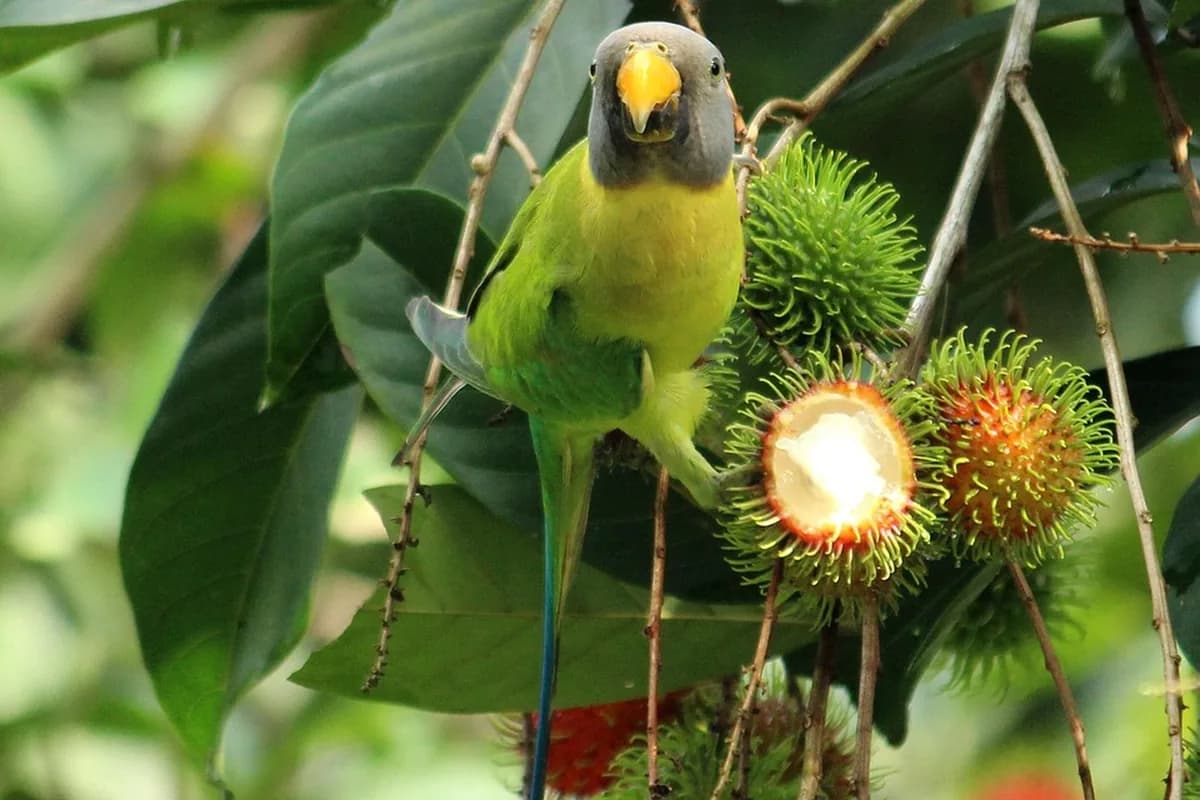
Can Parrots Eat Human Food? A Complete Guide to Sharing Meals
Your parrot wants to eat off your plate. Which human foods are safe to share and which are dangerous?
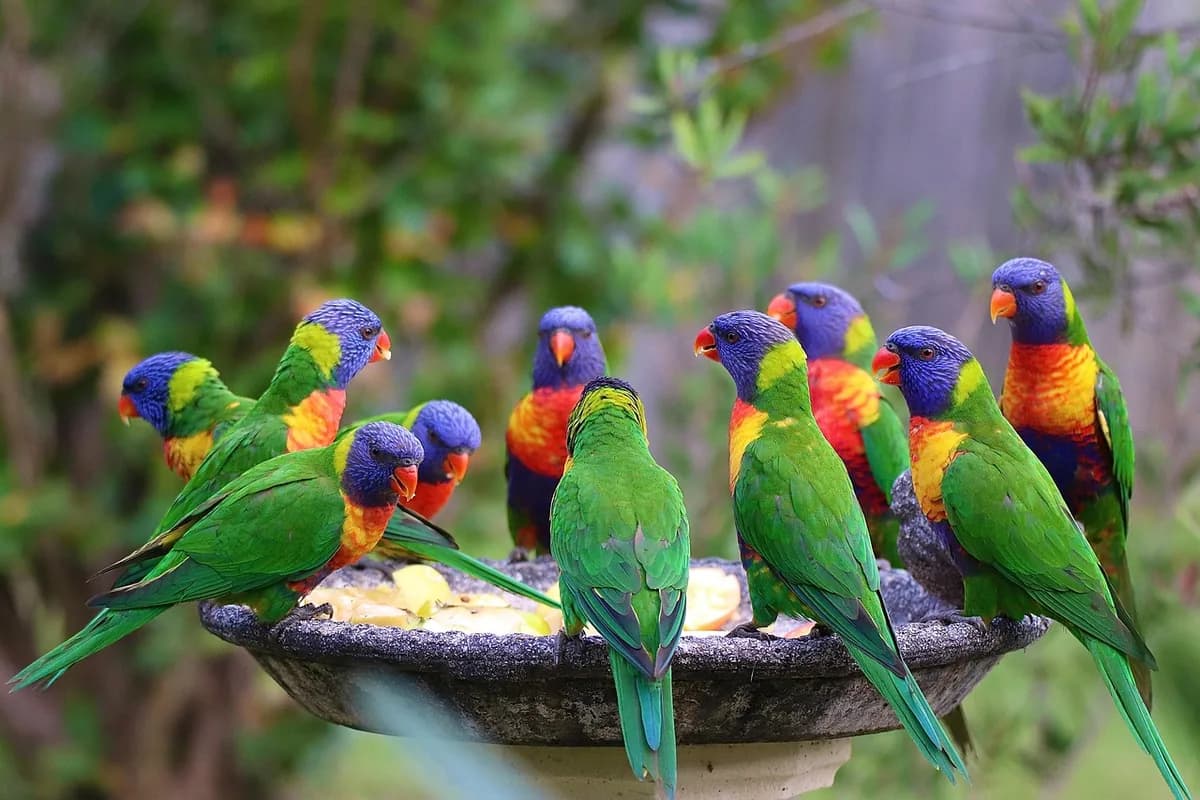
The Complete Guide to Parrot Pellets: Brands, Conversion, and Myths
Pellets should be 50-70% of your parrot's diet, but not all pellets are equal. Here's everything you need to know.
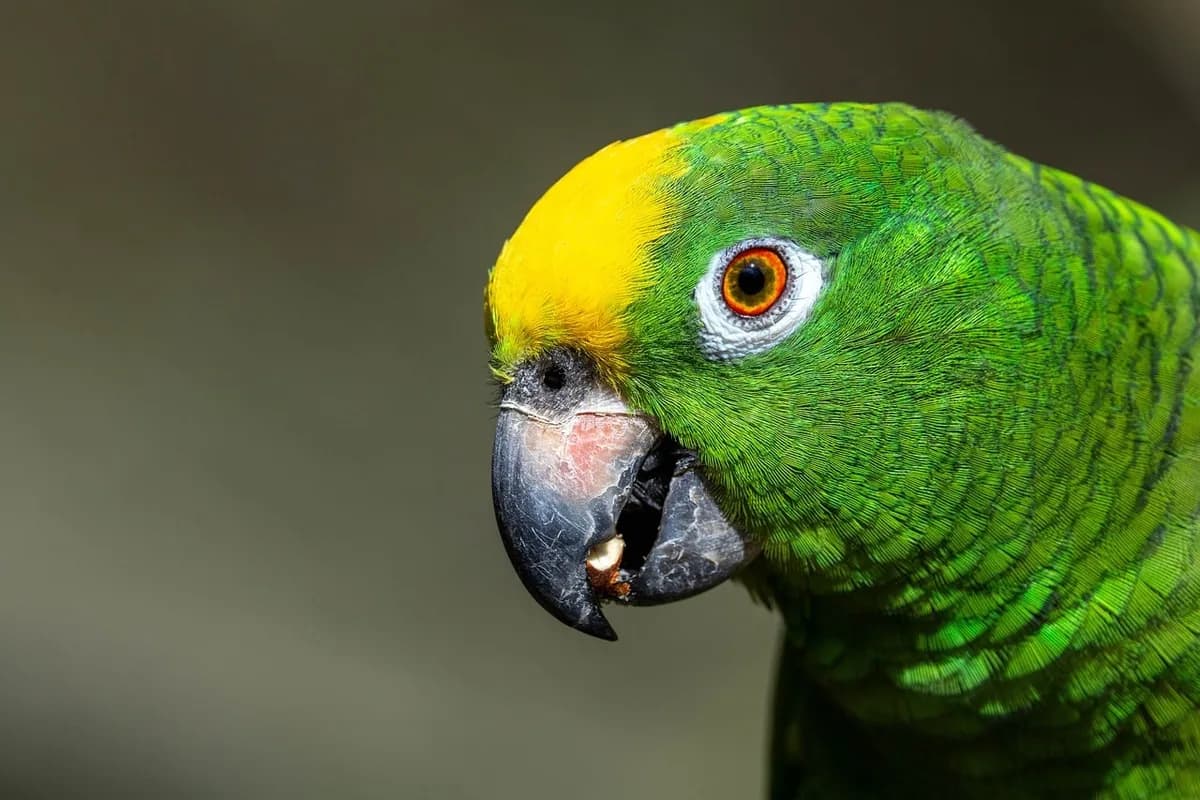
Cooking for Your Parrot: 15 Recipes and Meal Ideas They'll Love
Variety is the spice of your parrot's diet. These easy recipes make feeding time exciting and nutritious.