Hormonal Parrots: Understanding the 8 Signs of Seasonal Behavior Changes
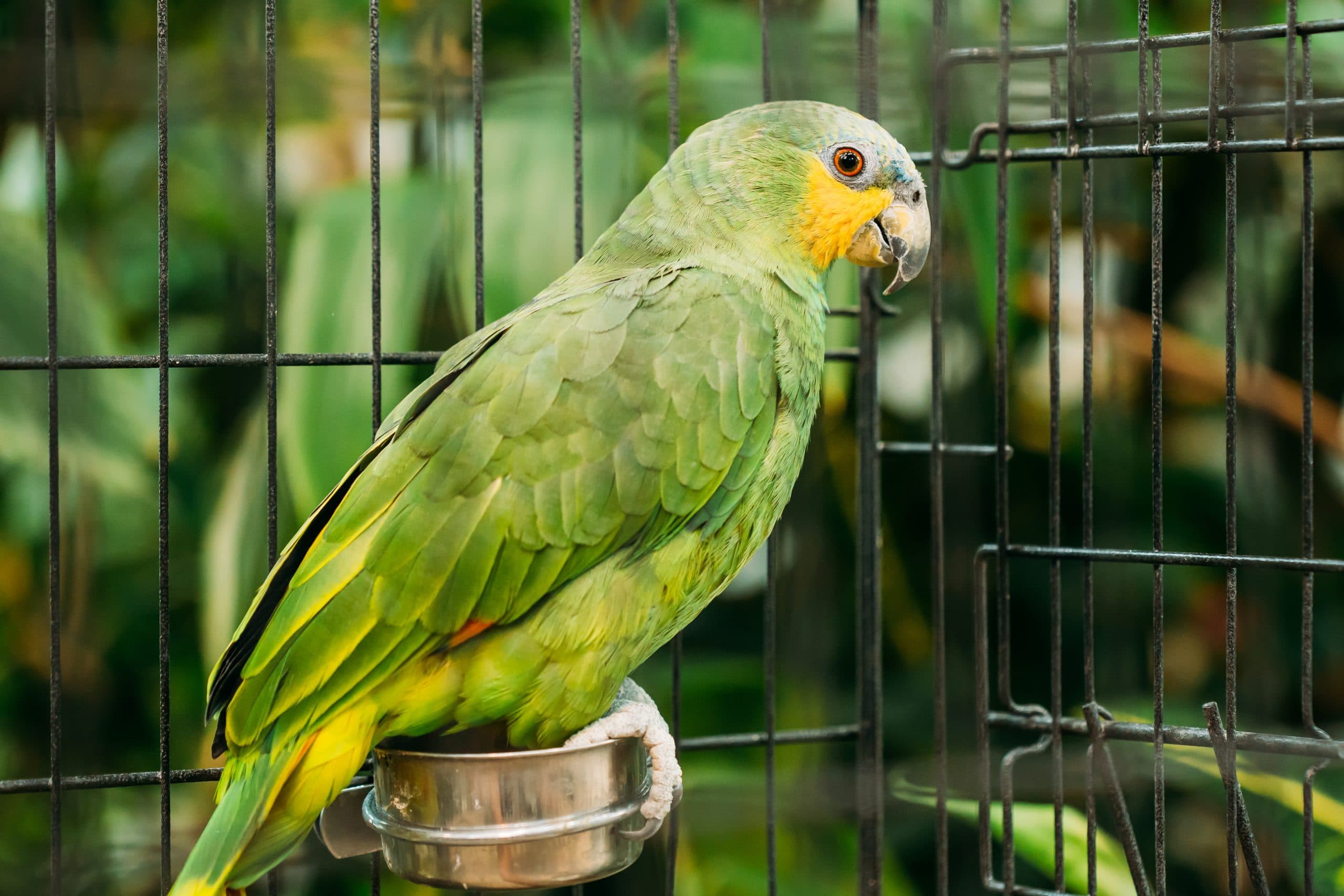
Spring in Toronto brings longer days and warmer light, and for a lot of parrot owners it also brings a companion they barely recognize. The bird who cuddled contentedly all winter is suddenly screaming at dawn, lunging at your hand, chewing the baseboards, or dropping an egg in a food dish. If that sounds familiar, take a breath: you are not doing anything wrong, and neither is your bird.
Almost all of it comes down to hormones. As daylight lengthens, birds pick up biological cues that it is breeding season, and their bodies answer with a surge of reproductive hormones. A lengthening photoperiod is one of the strongest triggers of this cycle in captive parrots, which is why the behavior tends to arrive on a seasonal schedule rather than at random (Merck Veterinary Manual; avian veterinary consensus). The result can be louder vocalizing, aggression, feather-destructive behavior, nesting, and egg-laying.
At Bird Sitting Toronto, where we board hundreds of birds every year, spring and early summer are reliably the season we field the most "my bird changed overnight" calls. Below are the eight behaviors that show up most often, why they happen, and what you can actually do about each one.
The 8 Signs of Hormonal Behavior
Here is the season at a glance before we work through each sign in detail.
| Sign | What you'll see | First move |
|---|---|---|
| Excessive vocalization | Screaming, especially at dawn and dusk | Reward calm, not noise |
| Molting stress | Itchy, irritable, pin feathers, low energy | Bathe or mist, support nutrition |
| Feather picking | Chewing chest or thigh feathers | See an avian vet first |
| Nesting | Burrowing into dark spaces, obsessive chewing, eggs | Block dark cavities |
| Clinginess | Sudden neediness, won't settle alone | Build independence, foraging |
| Sexual behavior | Regurgitating or rubbing on you or toys | Remove "mate" cues |
| Aggression and biting | Pinned eyes, fanned tail, lunging | Read body language, back off |
| Regurgitation | Bobbing and bringing up food for you | Set down, redirect calmly |
1. Excessive vocalization
Parrots are naturally loud, but hormones turn the volume up, especially around dawn and dusk when wild flocks would be calling. The trap is accidentally rewarding it: if screaming reliably brings you running, it works, so it continues.
Tip: Reinforce the quiet, not the noise. Wait for a genuine pause, then return your attention or a small treat. Make sure your bird is also getting a solid block of undisturbed sleep, because an overtired parrot is a louder one.
2. Molting stress
Molting is the normal shedding and regrowth of feathers, and it is metabolically expensive work. Fresh pin feathers are itchy and tender, and a bird mid-molt is often crankier and more tired than usual.
- Offer regular baths or a gentle misting to soothe emerging feathers.
- Support the workload with a nutritious, protein- and vitamin-adequate diet.
- Add supplements only if your avian vet specifically recommends them.
3. Feather picking
Some birds begin plucking during breeding season, often targeting the chest or thighs where they can reach. It can be hormonal, but feather-destructive behavior also flags medical problems, from malnutrition to infection to pain (VCA Animal Hospitals).
Warning: Do not assume plucking is "just hormones." Have an avian veterinarian rule out medical causes first. Once your bird is cleared, redirect the urge with preening and shreddable toys, and lower the overall stress and overstimulation in the room.
4. Nesting
Crawling into dark, enclosed spaces, chewing obsessively, and laying eggs are classic nesting signals. Cavities are the single strongest trigger: a hut, a box, the gap behind the couch, even a loose shirt on your lap can all read as a nest site.
- Close off dark, enclosed areas and remove snuggle huts and tents.
- Provide plenty of destructible, chew-friendly toys as an outlet.
- If your bird lays, leave the eggs in the cage until interest fades rather than pulling them immediately, which can prompt more laying. Support the calcium demand of egg production through the diet.
Tip: Chronic egg-laying drains calcium and can lead to serious problems like egg-binding. If your hen lays repeatedly, loop in your avian vet, because it is a health issue and not just a nuisance.
5. Clinginess
A previously independent bird may suddenly want you all day and protest the instant you leave the room. Springtime pair-bonding drive is usually behind it.
- Rotate in foraging toys that make solo time rewarding.
- Use short training games to build focus and confidence.
- Grow independence gradually with brief, calm departures and returns.
6. Sexual behavior
Masturbation, or rubbing and regurgitating on a favorite person, toy, or perch, is driven by reproductive frustration, and certain kinds of contact reinforce it.
- Remove the toys your bird has started treating as a mate.
- Avoid stroking the back, wings, and tail, since that touch mimics a mating cue. Keep petting to the head and neck.
- Redirect calmly and consistently to a toy or playstand.
7. Aggression and biting
Pinned (flashing) eyes, a fanned tail, and raised feathers are warnings, not random moods. Ignore them and a hormonal bird may lunge or bite out of possessiveness or frustration.
- Learn to read the warning signs and respect them, because most bites are preceded by a clear "no."
- Keep interactions short and end them on a good note.
- Skip "shoulder time" during hormone season if your bird bites unpredictably. A bird near your face is a bird you cannot read or redirect in time.
8. Regurgitation
Bobbing the head and bringing up food for you is how parrots feed a mate or chicks. It can look like pure affection, but encouraging it reinforces the hormonal loop.
Gently set your bird down, redirect to a toy or a change of scene, and resist cooing over it. True regurgitation is deliberate and directed; if your bird is instead vomiting, flicking material onto walls or perches, or simply looking unwell, that is a medical sign rather than a hormonal one and warrants a vet visit.
How to Manage Hormonal Behavior
You cannot switch hormones off, but you can dial the triggers down. Four levers do most of the work.
Adjust the environment
Rearrange cage furniture periodically to discourage settled nesting, and block off dark corners, boxes, and pillows. Remove the specific toys and huts your bird has fixated on.
Manage the diet
Reproductive behavior is fueled partly by rich, calorie-dense food, so ease off high-fat, high-sugar items such as seeds, grapes, and sweet potato during the season and lean on vegetables and low-sugar fruit instead. Avoid warm, soft, mushy foods that echo the pre-chewed food a parent feeds a mate.
Tip: This is a seasonal adjustment layered on top of a good year-round diet. For most parrots that base is roughly 75-80% quality pellets, about 20-25% fresh vegetable-forward foods, and only about 5% seeds or nuts as treats (Lafeber; avian veterinary consensus). During hormone season you are simply trimming the fatty treats further.
Control the light
A long "day" tells the body it is breeding season. Aim for 10-12 hours of light and a solid, uninterrupted dark period, using a cage cover or blackout curtain to enforce true night. Consistent, generous darkness is one of the most effective tools for winding hormones back down.
Keep the mind and body busy
Channel the extra energy into work rather than nesting. Offer daily out-of-cage time and flight where it is safe, puzzles and shreddable toys, and foraging setups that make your bird hunt for its meals. Enrichment and foraging give a driven bird a productive outlet (Lafeber).
The Bottom Line
Hormonal behavior in parrots is natural, seasonal, and manageable. Some birds barely shift; others swing hard for a few weeks before settling back down. The most important thing is not to take it personally. Your bird is not being "bad," just following a biological script it did not choose.
With consistent boundaries, the right light and diet, plenty of enrichment, and patience, most birds move through the season without incident. And if aggression, plucking, or repeat egg-laying escalates beyond what these steps manage, treat that as your cue to call an avian veterinarian. Some hormonal behavior tips over into a genuine health concern, and it is always worth a professional's eyes.
Explore related topics
Related Articles
The 20 Biggest Mistakes New Bird Owners Make
We all make mistakes as new bird owners. Here are the 20 most common — and how to avoid them.
Do Parrots Feel Jealousy? Understanding Possessive Behavior
Your parrot lunges at your partner when they sit near you. Is it jealousy? The science says yes — here's what to do.
Fireworks and Loud Noises: Protecting Your Parrot from Sound Stress
Canada Day, New Year's, thunderstorms — loud events can traumatize your bird. Here's how to protect them.