Bathing and Water Play: Honoring Your Parrot's Love of Water
The Joy of a Good Splash: Why Your Parrot Needs Regular Baths
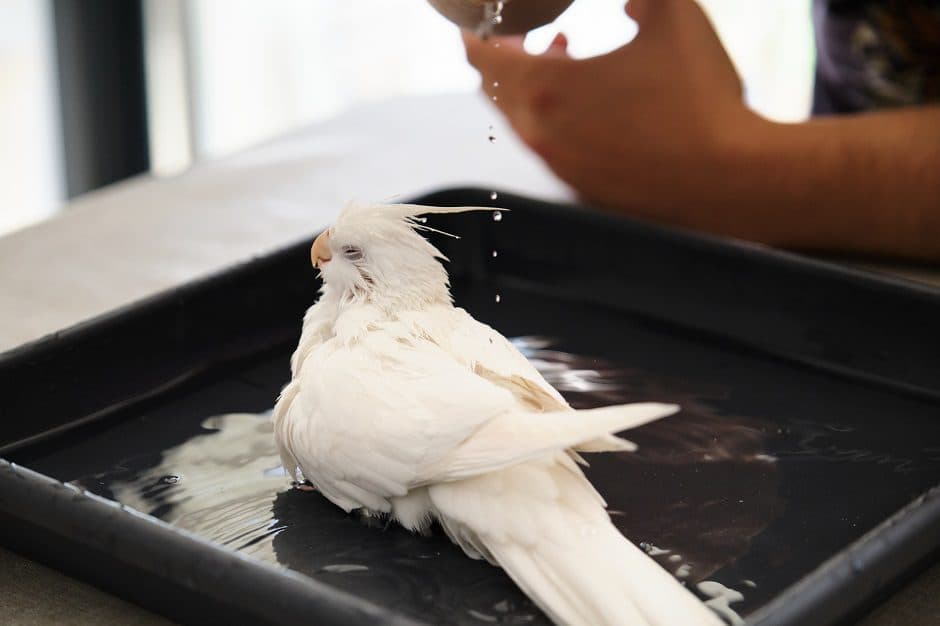
Picture this: you're enjoying a quiet morning when suddenly your parrot starts doing what we call the "rain dance" — wings slightly spread, head tilted back, looking absolutely delighted as they position themselves under their water dish drips. If you've witnessed this adorable behavior, you've seen your bird's natural bathing instincts in action.
Bathing isn't just a luxury for parrots — it's an essential part of their physical and emotional well-being. In our experience boarding over 1,000 birds at Bird Sitting Toronto, we've seen firsthand how a good bath can transform a bird's mood, feather condition, and overall health. Let's dive into why your feathered friend craves that splash and how you can make bath time a highlight of their day.
Why Parrots Are Naturally Drawn to Water
Rain Forest Roots
Most parrot species evolved in tropical environments where rain is a regular occurrence. In the wild, parrots eagerly await rain showers, spreading their wings and tilting their heads to catch every precious drop. This behavior is so deeply ingrained that even our domesticated companions retain this powerful instinct.
Your African Grey from the Congo Basin, your Amazon from South America, or your Cockatiel from Australia — they all carry the genetic memory of refreshing tropical downpours. When you provide bathing opportunities, you're honoring millions of years of evolutionary programming.
Essential Feather Maintenance
Here's the thing about feathers: they're incredibly sophisticated structures that require regular maintenance to function properly. Bathing serves several critical purposes:
- Removes dust and debris that accumulates on feathers and skin
- Maintains proper feather structure by allowing barbs to realign
- Stimulates natural oil production from the preen gland
- Prevents bacterial and fungal growth in the warm, humid environment under feathers
- Supports thermoregulation by keeping feathers in optimal condition
Skin Health Benefits
Beyond feathers, regular bathing keeps your bird's skin healthy and comfortable. Dry, flaky skin can lead to itching, over-preening, and even self-mutilation in severe cases. We see this particularly often with birds kept in dry indoor environments during winter months.
Different Ways Your Bird Can Enjoy Bath Time
Every bird has preferences, and part of the fun is discovering what your feathered friend enjoys most. Here are the most popular bathing methods:
Misting: The Gentle Rain Experience
Misting mimics natural rainfall and is often the best starting point for bath-shy birds. Use a clean spray bottle filled with lukewarm water, and create a fine mist above your bird.
Best for: Cockatiels, Budgies, Canaries, and birds new to bathing
Pro Tip: Never spray directly at your bird's face or body. Aim above them and let the mist settle down naturally — just like real rain.
Shallow Dish Bathing
Many birds prefer to control their own bath experience. Provide a shallow dish (no deeper than your bird's legs) filled with clean water.
Best for: Conures, Caiques, Lovebirds, and confident bathers
Popular dish options:
- Ceramic or stainless steel bowls
- Specialized bird bath dishes
- Large plant saucers (ensure they're bird-safe)
Shower Perch Adventures
Some parrots absolutely love joining you in the shower. Special shower perches with suction cups allow your bird to enjoy the steam and gentle spray safely.
Best for: Macaws, Amazons, African Greys, and social birds
Warning: Never use soap, shampoo, or any cleaning products when your bird is in the bathroom. The fumes can be toxic, and residue on surfaces can harm your bird.
Wet Leaves and Natural Materials
Offer your bird wet lettuce leaves, kale, or other bird-safe greens. Many parrots love rubbing against wet vegetation — it's another natural behavior from the wild.
Best for: All species, especially foraging-oriented birds like Eclectus and Pionus parrots
How Often Should Your Bird Bathe?
The frequency depends on several factors, including species, individual preference, and environmental conditions.
Species Considerations
| Bird Type | Recommended Frequency | Notes |
|---|---|---|
| Tropical species (Amazons, Macaws) | 2-3 times per week | High humidity needs |
| Arid-adapted birds (Cockatiels, Budgies) | 1-2 times per week | Less frequent bathing in nature |
| African Greys | 2-3 times per week | Prone to dry skin |
| Conures | Daily to every other day | Often water enthusiasts |
Environmental Factors
During winter months when indoor heating creates dry air, you might need to increase bathing frequency. Conversely, in naturally humid climates, less frequent baths may suffice.
Important: Let your bird's behavior guide you. If they're seeking out water sources or doing the "rain dance" frequently, they're telling you they need more bath opportunities.
Getting the Water Temperature Just Right
Water temperature is crucial for your bird's comfort and safety. The ideal temperature is lukewarm — slightly warm to your touch but not hot.
Testing Temperature
- Use your wrist or elbow (more sensitive than fingertips)
- Water should feel neutral to slightly warm
- Never use hot water — birds are more sensitive to temperature than humans
- Cold water can shock their system and discourage future bathing
Recognizing When Your Bird Wants a Bath
Birds have delightful ways of telling us they're ready for a splash:
Classic Bath Signals
- Wing spreading while near water sources
- Head tilting back with beak open
- Excited vocalizations when they see the spray bottle
- Positioning themselves under dripping water
- Increased preening activity
- Seeking out wet surfaces or trying to bathe in their water dish
At BST, we've learned to read these signals quickly. Some birds become absolutely insistent, following us around and vocalizing until we provide their desired bath!
Helping Water-Shy Birds Learn to Love Baths
Not all birds immediately embrace bathing, especially if they weren't exposed to it early in life or had negative experiences. Here's how to gently introduce reluctant bathers:
Start Slowly
Begin with indirect exposure:
- Play water sounds — recordings of rain or running water
- Mist near (not on) your bird while they watch
- Offer wet greens for them to explore
- Let them observe other birds bathing if possible
Build Positive Associations
- Time baths with favorite activities like training sessions
- Use encouraging voice tones and praise
- Respect their boundaries — never force bathing
- Make it routine so they know what to expect
Gradual Exposure Technique
Week 1: Just show the spray bottle daily Week 2: Mist in their general area (not directly on them) Week 3: Create a very light mist that might reach them Week 4: Gradually increase mist intensity as they show comfort
Pro Tip: Some birds prefer bathing at specific times of day. Try morning baths when they're most active, or evening baths as part of their wind-down routine.
The Connection Between Bathing and Feather Health
Regular bathing directly impacts your bird's ability to maintain beautiful, healthy plumage. Here's how:
Supporting Natural Preening
Clean, damp feathers are easier to preen effectively. Your bird can better align feather barbs and distribute natural oils when their plumage is properly hydrated.
Preventing Feather Problems
Dust and debris buildup can lead to:
- Feather picking and over-preening
- Bacterial or fungal infections
- Poor feather quality during molts
- Reduced insulation and flight capability
Encouraging Healthy Molting
Birds going through molt especially benefit from regular baths. The moisture helps new pin feathers develop properly and makes the molting process more comfortable.
Creating the Perfect Bath Environment
Safety First
- Supervise all bathing — never leave your bird unattended with water
- Ensure proper depth — water should never be deeper than your bird's legs
- Check for drafts — wet birds are more susceptible to chills
- Provide secure footing in dishes or shower perches
Making It Enjoyable
- Warm the room slightly before bath time
- Use natural lighting when possible — many birds prefer bathing in morning sunlight
- Keep the atmosphere calm — no sudden movements or loud noises
- Have towels ready for any enthusiastic splashing
Final Thoughts
Watching your parrot enjoy a good bath is one of the pure joys of bird ownership. That moment when a previously water-shy bird finally spreads their wings in delight under a gentle mist, or when your regular bather does their happy post-bath shake and preen — these moments remind us why we fell in love with these incredible creatures.
Remember, every bird is an individual with their own preferences and timeline. Some will dive into bathing immediately, while others need patient encouragement. The key is consistency, patience, and following your bird's lead. When you honor their natural need for water and cleanliness, you're not just maintaining their physical health — you're enriching their lives and strengthening the bond between you.
At Bird Sitting Toronto, we've seen countless birds blossom when their bathing needs are properly met. Clean, well-maintained feathers aren't just beautiful — they're a sign of a healthy, happy bird living their best life.
Explore related topics
Related Articles
Building Natural Branch Perches: A Step-by-Step Guide
Natural branches are the best perches — varied diameter, texture, and chewing opportunity. Here's how to prepare them safely.
Creating a Parrot-Safe Outdoor Space: Aviaries and Screen Porches
Fresh air and sunshine are incredible for parrots. Here's how to give outdoor time safely.
15 DIY Bird Toys from Dollar Store Items
You don't need expensive pet store toys. These 15 DIY toys cost under $2 each and your bird will love them.