Amazon Parrot Diet & Nutrition: Beating the Obesity Curve
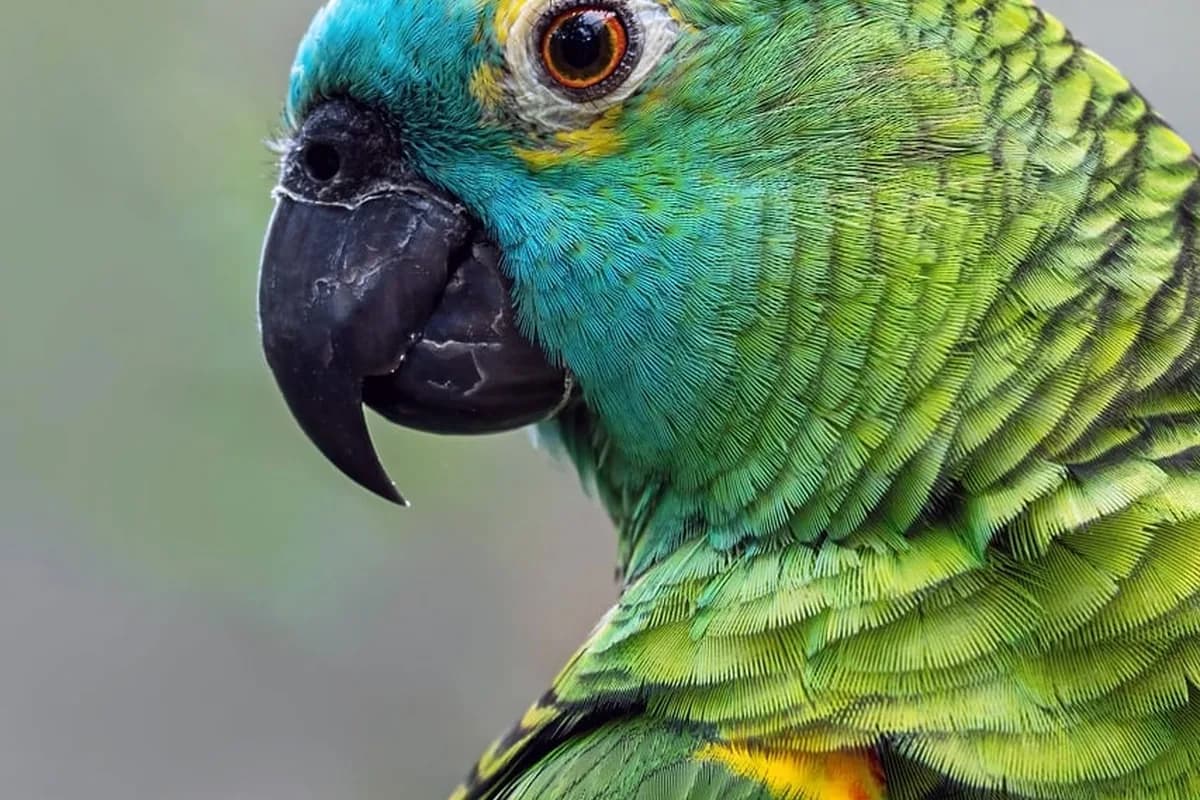
More than almost any other companion parrot, the Amazon lives and dies by its diet. These are birds that pile on weight given the chance, and a chubby Amazon is not a happy accident — it is a bird on the road to fatty liver disease and heart trouble. Get the food right and you sidestep the majority of the health problems this species is known for. This guide covers exactly how to feed an Amazon well.
The Amazon's Nutritional Quirks
Amazons are, to put it plainly, prone to obesity. In the wild they burn enormous energy flying and foraging; in a living room, that same appetite meets a bowl that never empties. The result, on a fatty seed-and-nut diet, is a bird carrying dangerous weight, developing hepatic lipidosis (fatty liver) and atherosclerosis — hardening of the arteries — that avian vets see all too often in overweight Amazons.
Two nutrients deserve special attention. Fat must be kept low: Amazons do not need the oily seeds and nuts that a macaw might, and they gain from them fast. Vitamin A is the flip side — a seed-based diet is chronically low in it, and Amazons are vulnerable to vitamin A deficiency, which shows up as respiratory infections, poor feather quality, and white plaques in the mouth. The good news is that a proper diet fixes both problems at once.
The Pellet House Standard for Amazons
A formulated pellet gives an Amazon consistent, balanced nutrition in every bite, which is exactly what a seed mix cannot do. For this species, aim for the following balance.
| Food Group | Share of Diet | Examples |
|---|---|---|
| Formulated pellets | 75–80% | Harrison's, Roudybush, TOP's, Lafeber |
| Fresh vegetables & leafy greens | 20–25% (veg-forward) | Sweet potato, carrot, kale, red pepper, broccoli, dark leafy greens |
| Fruit | small part of the fresh share | Berries, mango, papaya, melon (seedless) |
| Seeds & nuts | ~5%, treats only | A few sunflower or safflower seeds; a sliver of almond |
Note where this differs from a heavier-set parrot: keep nuts genuinely minimal. For an obesity-prone Amazon, a whole nut is a special occasion, not a daily ration. Lean into the deeply pigmented vegetables — sweet potato, carrot, red pepper, and dark leafy greens are rich in the vitamin A precursors this species needs.
Tip: Choose a plain or naturally colored pellet over brightly dyed, sugary versions. You want the nutrition without the artificial colorants and added sugar, and it keeps you from mistaking bright droppings for a health change.
Safe Foods to Offer Freely
Vegetables (the foundation of the fresh share): sweet potato, winter squash, carrot, red and orange bell pepper, broccoli, kale, collard and dandelion greens, bok choy, zucchini, peas, green beans, and cooked pumpkin. The orange and dark-green vegetables do double duty as vitamin A sources.
Fruits (in moderation, for the sugar): blueberries and other berries, mango, papaya, apple (no seeds), banana, pomegranate, and seedless melon. Fruit is a treat within the fresh portion, not the bulk of it.
Cooked grains and legumes (small servings): cooked quinoa, brown rice, whole-grain pasta, oats, and well-cooked lentils or chickpeas for variety and plant protein.
Occasional extras: a little cooked egg for protein, or sprouted seeds, which are far healthier than dry seed.
Toxic Foods — Never Feed These
Some everyday human foods are genuinely dangerous to a parrot. Keep these away from your Amazon entirely.
- Avocado — contains persin, which can cause heart failure and death in birds.
- Chocolate — theobromine is toxic to birds and affects the heart and nervous system.
- Caffeine — coffee, tea, and energy drinks can trigger dangerous heart arrhythmias.
- Alcohol — depresses the nervous system; even small amounts can be fatal.
- Onion and garlic — can damage red blood cells and cause anemia.
- Fruit pits and apple seeds — the pits of cherries, peaches, apricots, and apple seeds are cyanogenic (they release cyanide compounds). Feed the flesh, discard the core and pit.
- Salt and salty snacks — a small bird's system is easily overwhelmed by sodium.
- Uncooked (dried) beans — contain hemagglutinin, a toxin destroyed only by thorough cooking.
- Mushrooms — several varieties are toxic and the stems and caps can cause digestive upset.
Warning: If your Amazon eats any of these, call an avian veterinarian or an emergency clinic immediately — do not wait to see whether symptoms appear. Birds hide illness and deteriorate fast, so time matters.
Meal Prep and "Chop"
The easiest way to feed a varied fresh diet is to make chop — a big batch of finely diced vegetables, cooked grains, and legumes mixed together, portioned into daily servings, and frozen. It saves time and stops a picky Amazon from eating only its favorite item and leaving the rest. Serve it fresh in the morning when appetite is highest, and pull it after a few hours so nothing spoils in the cage.
Weaning an Amazon Off Seed
Many rehomed Amazons arrive as committed seed junkies, and the switch to pellets takes patience. Rushing it — pulling seed cold turkey — is dangerous, because a bird will starve rather than eat unfamiliar food.
- Offer pellets in a separate dish alongside the usual diet so they become familiar.
- Serve fresh chop every morning and experiment with textures — chopped, shredded, warmed — to spark interest.
- Reduce seed gradually over several weeks, never all at once.
- Weigh weekly on a gram scale so you catch any weight loss immediately.
- Be patient — a full conversion can take weeks to months. Model the behavior by "eating" a pellet yourself; Amazons are social and copy what they see.
Supplements and Hydration
A bird on a balanced pellet diet with varied fresh vegetables generally does not need added vitamin or mineral supplements, and over-supplementation can itself cause harm — so avoid routine powders and drops unless your avian vet prescribes them for a specific reason. Let the diet, not a bottle, deliver the nutrition.
Fresh, clean water must be available at all times and changed at least once or twice daily; Amazons love to dunk food, so bowls foul quickly. A water bottle alongside the dish gives a clean backup.
At Bird Sitting Toronto, where we board hundreds of birds every year, the Amazons that arrive lean and pellet-converted are consistently the healthiest and brightest guests we host. Feed for a slim, active bird, and you are protecting decades of good years.
Explore related topics
Related Articles
Can Parrots Eat Human Food? A Complete Guide to Sharing Meals
Your parrot wants to eat off your plate. Which human foods are safe to share and which are dangerous?
The Complete Guide to Parrot Pellets: Brands, Conversion, and Myths
Pellets should be 50-70% of your parrot's diet, but not all pellets are equal. Here's everything you need to know.
Cooking for Your Parrot: 15 Recipes and Meal Ideas They'll Love
Variety is the spice of your parrot's diet. These easy recipes make feeding time exciting and nutritious.