Addressing Problem Behaviors in Pet Birds: Biting, Screaming, and Feather Plucking
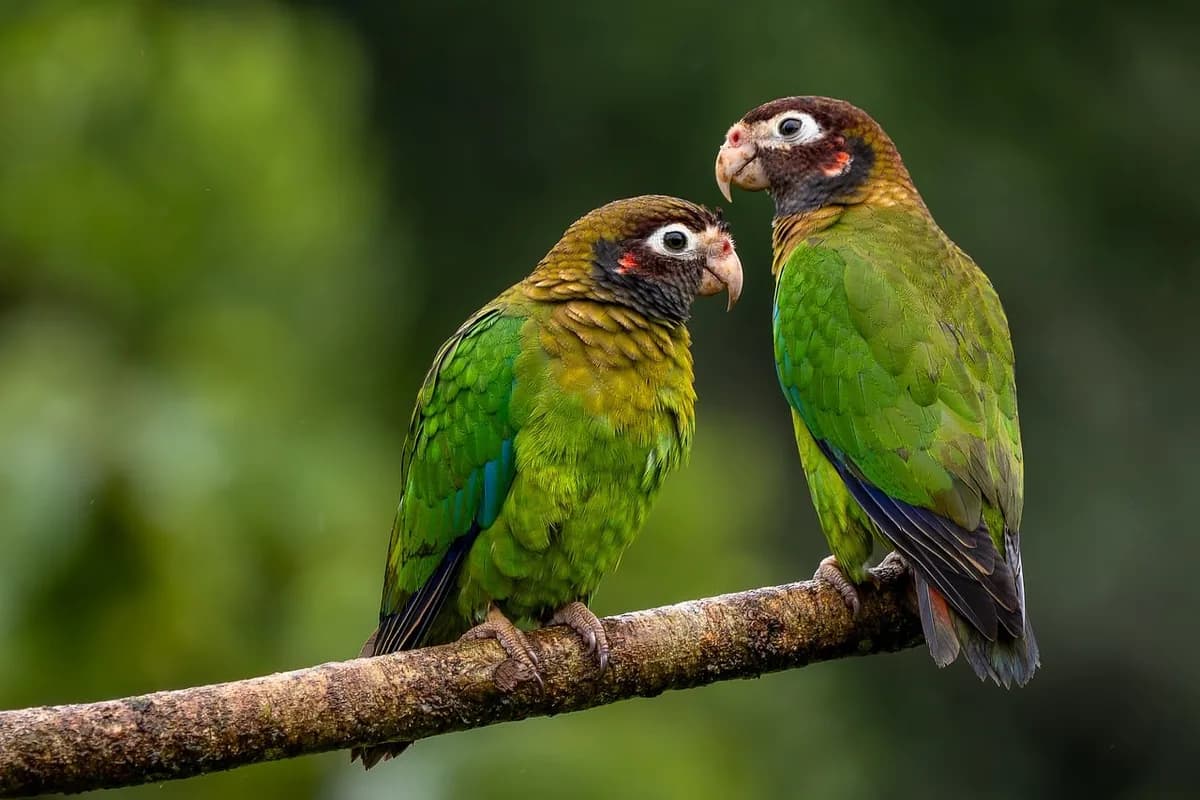
If your bird bites, screams the house down, or is chewing away its own feathers, you are not a bad owner and your bird is not "broken." Almost every problem behavior in a companion parrot is a signal — an intelligent, social animal telling you that something in its world is off. At Bird Sitting Toronto, where we board hundreds of birds every year, the same handful of root causes surface again and again: too little sleep, a seed-heavy diet, boredom, an unpredictable routine, or a hormone surge in spring. Punishment never fixes any of them. It only teaches your bird that hands are frightening. This guide walks through the three most common complaints — biting, excessive screaming, and feather plucking — and the calm, evidence-based approach that actually changes behavior.
The Foundation Behind Every Fix
Before you troubleshoot a specific behavior, audit the basics. In our experience, and consistent with avian veterinary consensus, the large majority of "behavior problems" ease once these five foundations are solid. Fixing the foundation is often 80 percent of the cure.
| Foundation | What your bird needs | Why it drives behavior |
|---|---|---|
| Sleep | 10–12 hours of dark, quiet, uninterrupted rest | Sleep debt fuels irritability, screaming, and hormonal aggression |
| Diet | Species-appropriate, pellet-based nutrition | Poor nutrition worsens plucking, mood, and feather quality |
| Foraging | Toys and food that make your bird work to eat | A wild parrot forages for hours; a bored captive one self-soothes badly |
| Routine | Predictable wake, feed, play, and sleep times | Unpredictability creates anxiety, which comes out as noise or biting |
| Out-of-cage time | Daily supervised time to move, climb, and socialize | Physical and social frustration has to go somewhere |
On diet specifically: most parrots do best on a foundation of roughly 75–80 percent high-quality formulated pellets, 20–25 percent fresh vegetable-forward foods (leafy greens, squash, peppers, sprouts), and only about 5 percent seeds and nuts as training treats. An all-seed diet is the avian equivalent of living on chips — it is a well-documented driver of poor feather condition and behavioral fragility. A few species are exceptions worth knowing: lorikeets need a specialized nectar diet rather than pellets (and do best avoiding high-iron foods); eclectus are additive-sensitive and should eat a notably veg-forward, whole-food diet; finches and canaries are hands-off passerines that keep a quality seed mix as a staple alongside greens and egg food; and budgies and cockatiels should still be mostly pellets but convert slowly, so you push vegetables and sprouts patiently over weeks.
Tip: Never make a bird "cold turkey" switch from seeds to pellets — some birds will starve rather than recognize pellets as food. Mix pellets into the familiar diet, offer them warm in the morning when appetite is highest, and monitor weight on a gram scale. Ask your avian vet to supervise any conversion.
Biting
Biting is the number-one complaint we hear from bird owners, and it is almost always a communication failure rather than aggression. Birds bite out of fear, territorial defense of the cage or a favored person, overstimulation, spring hormones, or — most importantly — because biting worked before. If a bird lunges and the scary hand jerks away, the bird just learned a powerful lesson: biting makes threats disappear.
The single best skill you can build is reading the warning that comes before the bite. A parrot rarely bites out of nowhere. Watch for pinning eyes (pupils flashing rapidly wide and narrow), raised or fanned feathers, a lunge or open beak, tail fanning, and a general stiffening. These are your cue to slow down and give the bird space — not to push through.
Warning: If your gentle, well-socialized bird suddenly starts biting — especially in early spring, or paired with regurgitating, tail-lifting, or shredding paper in a corner — you may be seeing hormonal behavior. Do not respond by petting the back or under the wings and tail, which stimulates hormones further. Limit petting to the head and neck and consult your avian vet if it persists.
Do:
- Stay calm and neutral — a quiet "no" and gently set the bird down or ask it to step onto a perch.
- Identify the trigger by asking what happened in the two seconds before the bite.
- Respect body-language warnings (pinning eyes, lunging, raised feathers) and back off before the bite.
- Reward gentle beak contact, calm stepping-up, and relaxed body language with praise and a treat.
- Use a hand-held perch instead of your hand when your bird is cage-territorial.
Don't:
- Yell, flick the beak, blow at, or shake your bird.
- Drop your bird or throw it off your hand as punishment.
- Use the cage as a "time-out" jail — it makes the cage a place of punishment.
- Snatch your hand away dramatically, which rewards the bite with a big reaction.
- Force interaction when your bird is clearly overstimulated or afraid.
Excessive Screaming
Some noise is not a behavior problem — it is a bird being a bird. Parrots are loud, social flock animals, and a burst of calling at dawn and again at dusk is normal flock-contact behavior that you will never (and should not try to) eliminate. The goal is not silence; it is reducing the excessive, all-day screaming that signals boredom, loneliness, anxiety, or a learned demand for attention.
The trap most owners fall into is accidentally training the very screaming they hate. If your bird screams and you rush in — even to say "quiet!" — you have just delivered exactly what it wanted: your attention. From the bird's point of view, screaming is a phone that always gets answered. The fix is to flip which behavior gets your attention.
Warning: Do not cave after ten minutes of screaming. When you finally give in, you teach your bird that longer, louder screaming eventually works — a far harder habit to break than the one you started with. This is the single most common way owners make screaming worse. If you commit to ignoring attention-screaming, you must ride it out every time.
- Ignore attention-screaming. Do not enter the room, make eye contact, or talk to your bird while it is screaming for you.
- Reward the quiet. The instant there is a genuine pause, walk in, praise warmly, and offer a treat — you are paying for silence, not noise.
- Provide enrichment. Foraging toys, shreddable wood and paper, and soft background music or a podcast reduce the boredom that fuels screaming.
- Anchor a routine. Birds scream far less when the day is predictable — consistent wake, feed, play, and cover times.
- Teach a replacement call. Reward a specific quiet whistle or word as your bird's "contact call," and answer that reliably so it does not need to scream to find you.
Feather Picking and Plucking
Feather-destructive behavior — chewing, breaking, or pulling out feathers — is the most complex issue on this list, and the one most often mishandled. It can be medical, behavioral, or both, and it is a mistake to assume "it's just stress" without ruling out physical causes first. The Merck Veterinary Manual and avian veterinary consensus both stress a medical workup as step one.
Warning: Feather plucking is a symptom, not a diagnosis. Skin infections, parasites like Giardia, liver or thyroid disease, allergies, pain, heavy-metal toxicity, and nutritional deficiency can all present as plucking. Always start with a full avian veterinary exam — often including bloodwork and skin or feather testing — before treating it as behavioral. A bird plucking from a medical cause will not respond to more toys.
Once your vet has ruled out or treated any physical cause, you address the behavioral and environmental side:
Do:
- Get a full avian veterinary exam first, and follow through on any recommended testing.
- Increase foraging and enrichment so your bird has a productive outlet for its beak.
- Keep humidity in a healthy range (around 40–60 percent), and offer regular bathing or misting to support skin and feather health.
- Provide 10–12 hours of uninterrupted, dark sleep.
- Upgrade the diet toward the pellet-based, vegetable-forward standard above.
Don't:
- Rely on anti-picking sprays or bitter deterrents, which mask the behavior without addressing the cause.
- Use an Elizabethan or e-collar unless your avian vet specifically directs it — collars are stressful and can worsen plucking.
- Draw attention to plucking in the moment, which can inadvertently reward it.
- Assume it is "just behavioral" and skip the vet check.
- Rehome the bird hoping the plucking will stop — it rarely does, because the new home carries the same unmet needs.
When to Bring in Help
Most biting and screaming improves within a few weeks once the foundations are solid and you stop accidentally rewarding the behavior — but some situations call for a professional. Reach out to a certified parrot behavior consultant or your avian vet if aggression is escalating despite a calm, consistent approach; if screaming is straining your household to the point you are considering rehoming; or if plucking has progressed to broken skin, bleeding, or self-mutilation, which is a same-week veterinary matter.
Change with birds is rarely instant, but it is remarkably reliable when you meet the underlying need instead of fighting the symptom. Be patient, stay calm, keep the routine, and let your bird earn your attention with the behavior you actually want. That is the whole method — and it is the same one we lean on with every anxious, noisy, or nippy guest that comes through our doors.
Explore related topics
Related Articles
The 20 Biggest Mistakes New Bird Owners Make
We all make mistakes as new bird owners. Here are the 20 most common — and how to avoid them.
Do Parrots Feel Jealousy? Understanding Possessive Behavior
Your parrot lunges at your partner when they sit near you. Is it jealousy? The science says yes — here's what to do.
Fireworks and Loud Noises: Protecting Your Parrot from Sound Stress
Canada Day, New Year's, thunderstorms — loud events can traumatize your bird. Here's how to protect them.