Winter Bird Care in Canada: Keeping Your Parrot Safe in Cold Weather
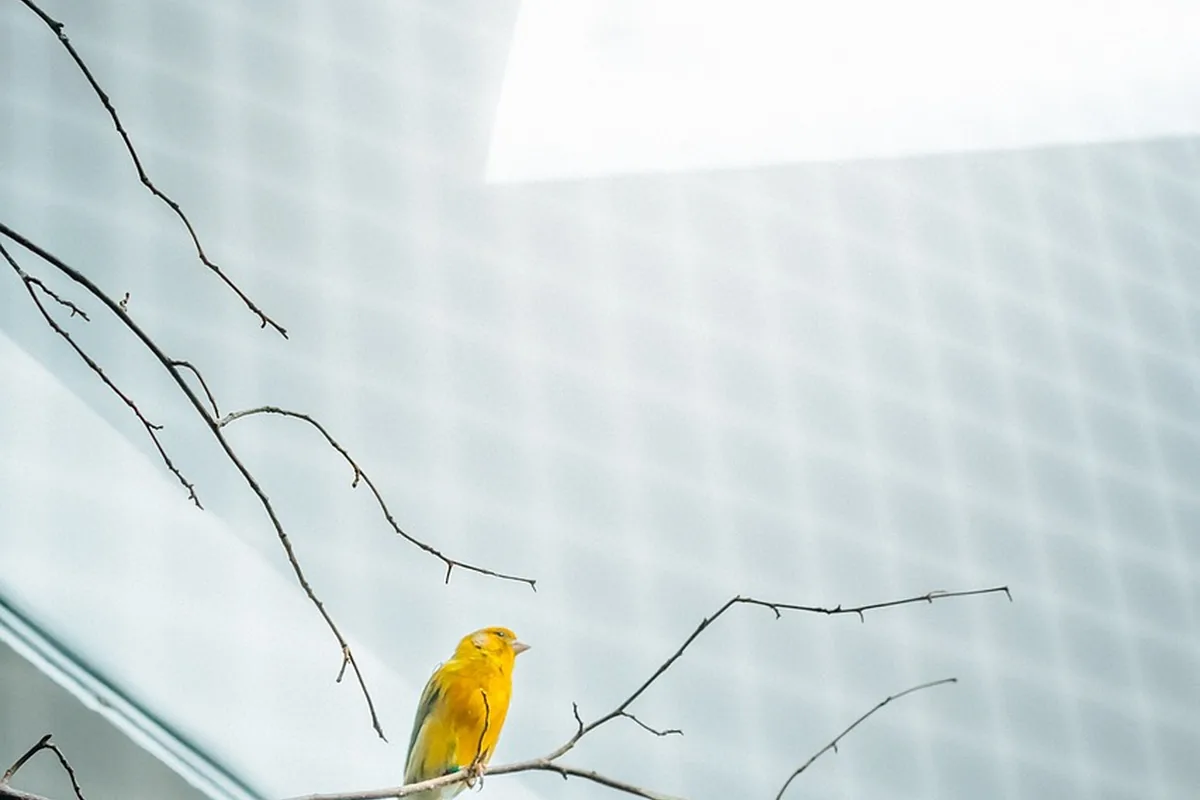
When the Temperature Drops, Your Bird's Needs Change
Winter in Canada isn't just cold — it's a completely different environment for your feathered friend. While your parrot might be safely indoors, the seasonal changes in heating, humidity, and daylight hours create unique challenges that many bird parents don't anticipate. In our experience boarding over 1,000 birds through countless Canadian winters, we've seen how proper winter care can mean the difference between a thriving bird and one struggling with respiratory issues, hormonal disruptions, or worse.
The good news is that with some thoughtful adjustments to your bird's environment and routine, you can keep them healthy and comfortable all winter long. Let's walk through the essential winter care strategies that will help your parrot not just survive, but flourish during Canada's coldest months.
Home Heating: Hidden Dangers in Your Warmth
The Forced Air Dilemma
Your furnace works overtime during Canadian winters, but that constant forced air circulation creates a serious problem for birds: dramatically reduced humidity. While you might not notice the difference, your bird's sensitive respiratory system certainly will. Forced air systems can drop indoor humidity to as low as 10-15%, when birds need at least 30% to stay healthy.
Here's the thing — dry air doesn't just make your bird uncomfortable. It can lead to:
- Respiratory irritation and infections
- Dry, itchy skin
- Feather picking and poor feather quality
- Increased susceptibility to airborne bacteria and viruses
Space Heater Safety: A Life-or-Death Matter
If you're using space heaters to supplement your home heating, you need to be extremely careful about what type you choose. Many ceramic space heaters have Teflon or other non-stick coatings that release toxic fumes when heated — fumes that can kill a bird within minutes.
Warning: Never use Teflon-coated ceramic heaters, halogen heaters, or any heating device with non-stick surfaces around birds. Even small amounts of these fumes are lethal to birds.
Safe heating alternatives include:
- Oil-filled radiator heaters
- Infrared panel heaters (without coatings)
- Radiant heaters specifically labeled as bird-safe
- Your home's central heating system
Fireplace and Wood Stove Concerns
That cozy fireplace might seem perfect for winter, but smoke and fumes from wood burning can irritate your bird's respiratory system. Even with a properly functioning chimney, some smoke and particles inevitably enter your home's air. If you use a fireplace regularly, ensure your bird's cage is in a well-ventilated area away from the fireplace, and consider using an air purifier in their space.
Humidity Management: Your Winter Lifeline
Why Humidity Matters More in Winter
During Canadian winters, outdoor humidity plummets, and indoor heating systems strip even more moisture from the air. We regularly see birds arrive at our facility in winter with dry, flaky skin and respiratory issues that clear up once they're in our humidity-controlled environment.
The 30% Rule
Your bird needs humidity levels between 30-50% year-round, but this becomes critical in winter. Below 30% humidity, you'll likely see:
- Increased respiratory infections
- Dry, brittle feathers
- Skin irritation and picking
- More frequent molting problems
Humidifier Solutions
A quality humidifier isn't a luxury for bird owners in winter — it's essential equipment. Here's what works best:
Whole-house humidifiers are the gold standard if you can install one. They maintain consistent humidity throughout your home without creating localized moisture problems.
Room humidifiers work well for single rooms. Choose:
- Ultrasonic humidifiers (quiet and efficient)
- Evaporative humidifiers (less risk of over-humidification)
- Avoid warm-mist humidifiers (can create hot spots and bacteria growth)
Pro Tip: Place a hygrometer near your bird's cage to monitor humidity levels. Aim for 40-50% during winter months.
Winter Transport: Getting There Safely
Pre-Warming is Non-Negotiable
Never put your bird in a cold car, even for short trips. In our experience, this is one of the most dangerous mistakes bird parents make in winter. A cold car can shock your bird's system and lead to serious health complications.
Always:
- Start your car and let it warm completely before bringing your bird outside
- Ensure the interior temperature is comfortable (around 20-22°C)
- Check that heated seats or vents won't create hot spots in the carrier area
Carrier Protection Strategies
Your regular carrier needs winter modifications:
Insulated covers are essential. Use thick blankets or specialized carrier covers that block wind while allowing airflow. Cover three sides completely, leaving the front partially open for ventilation.
Interior warmth can be added with:
- Fleece blankets inside the carrier
- Heat packs designed for pets (never use chemical hand warmers)
- Pre-warmed towels from the dryer
Minimize Exposure Time
Plan your route to minimize time outside. Even with a covered carrier, cold air can quickly penetrate and stress your bird. Move quickly but carefully between warm spaces.
Important: If the temperature is below -15°C, consider postponing non-essential trips with your bird.
Draft Protection: Creating a Cozy Microclimate
Strategic Cage Placement
Winter drafts are sneaky — they come from places you might not expect. Even well-sealed windows and doors can create subtle air currents that make your bird uncomfortable.
Position your bird's cage:
- At least 3 feet from windows and exterior doors
- Away from heating vents that create air circulation
- In an interior wall location if possible
- Where you can't feel any air movement when you hold your hand near the cage
Draft Detection Tips
Here's how we check for drafts at BST: light a candle and slowly move it around potential problem areas. If the flame flickers, there's air movement your bird will feel. Pay special attention to:
- Window frames
- Door seals
- Electrical outlets on exterior walls
- Areas where different flooring materials meet
Lighting: Managing Winter's Shorter Days
The Hormonal Challenge
Shorter winter days don't just affect your mood — they can trigger unwanted hormonal changes in your bird. Reduced daylight can lead to:
- Increased territorial behavior
- Excessive egg laying in females
- Feather plucking and anxiety
- Disrupted sleep patterns
Timer Solutions
Consistent lighting schedules help maintain your bird's natural rhythms. Use timers to ensure your bird gets:
- 10-12 hours of bright light daily
- Gradual light changes (avoid sudden on/off)
- Full spectrum lighting if possible
Pro Tip: Gradually adjust lighting times as natural daylight changes, rather than making sudden schedule shifts.
Winter-Specific Health Risks
Vitamin D Deficiency
With less natural sunlight and more time indoors, vitamin D deficiency becomes a real concern in winter. This can lead to:
- Weakened immune system
- Poor calcium absorption
- Feather and skin problems
- Increased susceptibility to infections
Consider full-spectrum lighting or discuss vitamin D supplementation with your avian vet.
Dry Skin and Feather Issues
Winter's low humidity affects your bird's skin and feathers significantly. Watch for:
- Increased scratching or preening
- Dry, flaky skin visible when you part the feathers
- Brittle or broken feathers
- Changes in feather color or texture
Regular misting with warm water can help, but proper humidity control is the real solution.
Respiratory Vulnerabilities
Cold, dry air makes birds more susceptible to respiratory infections. Be alert for:
- Changes in breathing patterns
- Tail bobbing while breathing
- Discharge from nostrils
- Changes in voice or vocalizations
Final Thoughts
Winter bird care in Canada requires attention to details that might not be obvious at first glance. The key is creating a stable, comfortable environment that compensates for the challenges of our harsh winter climate. From managing humidity and heating safely to protecting against drafts and maintaining proper lighting, each element works together to keep your bird healthy and happy.
Remember, these aren't just comfort measures — they're health necessities. We've seen too many birds struggle with preventable winter-related health issues. With proper preparation and the right equipment, your feathered friend can thrive through even the coldest Canadian winter.
If you're ever unsure about your bird's winter environment or notice any changes in their behavior or health, don't hesitate to consult with an avian veterinarian. Your bird's health is worth the investment in proper winter care equipment and professional guidance when needed.
Explore related topics
Related Articles
Best Air Purifiers for Bird Owners: Protecting Your Bird's Lungs
Birds have incredibly sensitive respiratory systems. The right air purifier can literally save your bird's life.
Creating a Parrot-Safe Outdoor Space: Aviaries and Screen Porches
Fresh air and sunshine are incredible for parrots. Here's how to give outdoor time safely.
Humidity and Temperature Guide for Pet Birds: Creating the Perfect Environment
Canadian winters are brutally dry for tropical birds. Here's how to maintain ideal humidity and temperature.