Understanding Your Parrot's Chewing Instinct: Why They Destroy Everything
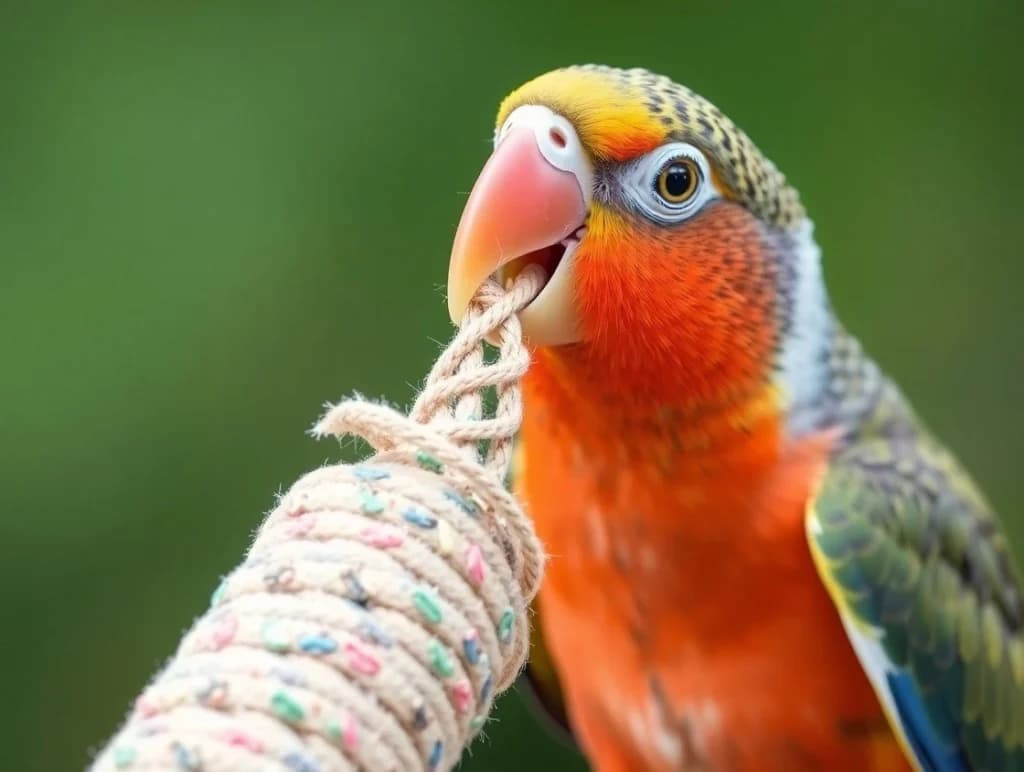
The Great Parrot Destruction Mystery: It's Not Personal
If you've ever come home to find your favorite wooden chair leg looking like it went through a wood chipper, or discovered that your bird has somehow managed to dismantle an "indestructible" toy in record time, you're not alone. At Bird Sitting Toronto, we've seen everything from cockatiels who've methodically stripped every piece of bark off their perches to macaws who've turned expensive hardwood toys into sawdust in a single afternoon.
Here's the thing — your parrot isn't trying to drive you crazy or get revenge for that vet visit last week. Chewing is as natural and necessary for parrots as breathing. Understanding why your feathered friend has this seemingly insatiable need to destroy everything in sight is the first step to creating a harmonious home where both you and your bird can be happy.
Why Parrots Are Nature's Little Demolition Experts
Beak Maintenance: Like Filing Your Nails, But More Dramatic
Your parrot's beak grows continuously throughout their life, just like your fingernails. In the wild, constant foraging, cracking nuts, and stripping bark naturally keeps their beaks in perfect condition. In our homes, without this natural wear and tear, your bird needs to find other ways to keep their beak healthy and properly shaped.
Think of chewing as your parrot's version of going to the nail salon — except they're doing it themselves, and your furniture might be the emery board.
The Ancient Nest-Building Drive
Even your pet parrot who's never seen the inside of a tree hollow still carries the genetic programming of their wild ancestors. In nature, parrots spend considerable time and energy creating and maintaining nesting sites, which involves extensive chewing and wood removal.
Your living room isn't a rainforest, but your parrot's brain doesn't know that. When they systematically work on that wooden picture frame, they're following instincts that have kept their species alive for millions of years.
Exploration Through Destruction
Parrots explore their world primarily through their beaks and tongues. While we might examine something new by looking at it or touching it with our hands, parrots need to taste it, feel its texture, and yes — often destroy it to truly understand what it is.
This is especially true for younger birds who are still learning about their environment. That expensive toy you bought? They're not just playing with it — they're conducting a thorough scientific investigation that happens to involve complete demolition.
Stress Relief and Mental Stimulation
Chewing is incredibly calming for parrots. It's their equivalent of stress-eating chocolate or going for a long run. A bird who's bored, anxious, or understimulated will often turn to destructive chewing as a way to cope.
In our experience boarding over 1,000 birds, we've noticed that parrots with plenty of appropriate chewing materials are generally calmer and more content than those without adequate outlets for this natural behavior.
Why Punishment Never Works (And Often Makes Things Worse)
Many well-meaning bird parents try to discourage chewing through punishment — yelling "no," removing the bird from the area, or even physical corrections. Here's why this approach backfires every time:
Attention is Attention
Even negative attention is still attention to a social creature like a parrot. When you rush over and make a fuss about their chewing, you might actually be reinforcing the behavior. Your bird learns that chewing the coffee table leg gets them immediate interaction with their favorite human.
Stress Increases Destructive Behavior
Punishment creates stress, and stressed parrots chew more, not less. You end up in a frustrating cycle where the very thing you're trying to stop actually gets worse.
You Can't Train Away Instinct
Trying to stop a parrot from chewing entirely is like trying to train a dog not to sniff things or a cat not to climb. You're fighting against millions of years of evolution, and evolution will win every time.
Safe Wood Types: The Good, The Great, and The Parrot-Approved
Not all wood is created equal when it comes to parrot safety. Here are the woods that get the BST seal of approval:
Excellent Choices
Balsa Wood: Soft, easy to destroy, and incredibly satisfying for smaller birds. It's like the potato chips of the parrot chewing world — once they start, they can't stop.
Pine (untreated): A classic choice that most parrots love. It's soft enough to be satisfying but sturdy enough to last more than five minutes.
Poplar: Another softwood that provides great texture and is safe for all parrot species.
Premium Options
Yucca: This desert plant creates fascinating textures and provides long-lasting entertainment. The fibrous nature means birds can really sink their beaks in.
Manzanita: Harder than the softwoods, making it perfect for larger birds with powerful beaks. It's also naturally beautiful and can double as perching material.
Willow: Flexible and fun to manipulate, willow branches are like parrot puzzle toys that grow on trees.
Pro Tip: Always source wood from reputable pet supply companies rather than collecting branches from outside. Wild wood can harbor parasites, pesticides, or diseases that could harm your bird.
The Danger Zone: Materials to Avoid at All Costs
Some materials that seem harmless can be deadly for parrots:
Toxic Woods
- Cedar: Contains oils that can cause respiratory problems
- Oak: High in tannins, which can be toxic
- Cherry, Apricot, Peach: Contain cyanide compounds
- Avocado wood: Extremely toxic to birds
Other Dangerous Materials
- Treated lumber: Contains chemicals that are poisonous
- Painted or stained wood: Paint chips and stain chemicals are toxic
- Plywood or particle board: The glues used contain formaldehyde
- Galvanized metal: Can cause zinc poisoning
Warning: When in doubt, don't let your bird chew it. The risk isn't worth it, and there are plenty of safe alternatives available.
Redirecting the Destruction: From Your Furniture to Their Toys
The goal isn't to stop chewing — it's to redirect it to appropriate outlets. Here's how to protect your belongings while keeping your parrot happy:
Create Chewing Stations
Set up designated areas with rotating selections of chewing materials. Place these near your bird's favorite hangout spots so they're easily accessible when the urge to destroy strikes.
The Substitution Game
When you catch your bird chewing something inappropriate, calmly offer them an approved alternative instead. Don't make a big fuss — just quietly redirect their attention to something better.
Make Appropriate Items More Appealing
Hide treats inside safe wood blocks, wrap chewing materials in paper, or hang them in interesting configurations. The more engaging you make the appropriate options, the less appealing your furniture becomes.
Environmental Management
Sometimes the best solution is simply removing temptation. Use furniture covers, move valuable items out of reach, or create physical barriers around areas you want to protect.
Species Differences: From Gentle Nibblers to Demolition Machines
Not all parrots are created equal when it comes to destructive potential:
The Heavy Hitters
Cockatoos and Macaws: These birds have beaks that can crack Brazil nuts and strip bark from hardwood trees. They need substantial chewing materials and lots of them. A single toy that might last a budgie months could be demolished by a cockatoo in hours.
Amazons: Strong beaks and determined personalities make them formidable chewers. They particularly enjoy working on softer woods and cardboard.
The Moderate Chewers
Conures and Caiques: Enthusiastic but less destructive than their larger cousins. They enjoy variety and often prefer to sample many different materials rather than completely destroying one item.
Cockatiels: Gentle but persistent chewers who particularly enjoy softer materials and paper products.
The Delicate Destroyers
Budgies and Lovebirds: Small beaks but big enthusiasm. They prefer thinner materials and enjoy shredding paper, thin wood strips, and natural fibers.
Important: Regardless of size, all parrots need appropriate chewing outlets. A bored budgie can still cause surprising damage to important documents or delicate items.
Final Thoughts: Embracing the Chaos
Living with a parrot means accepting that some level of destruction is part of the package. The good news is that with proper management, you can minimize damage to your belongings while ensuring your feathered friend stays mentally and physically healthy.
Remember, every piece of wood they demolish, every toy they dismantle, and yes, even every unfortunate encounter with your furniture is your parrot expressing their natural, healthy instincts. By providing appropriate outlets and understanding their needs, you're not just protecting your home — you're contributing to your bird's overall well-being.
At Bird Sitting Toronto, we've learned that the happiest parrots are often the most destructive ones, because they're birds who feel secure enough to express their natural behaviors. Embrace the sawdust, invest in good chewing materials, and remember that a busy beak is usually a happy beak.
Explore related topics
Related Articles
Natural Wood for Parrots: A Complete Safe Wood Guide
Natural wood is the best enrichment for a parrot's chewing instinct. But not all wood is safe. Here's your complete guide.
How to Encourage Healthy Chewing in Parrots
Chewing is not a bad habit in parrots — it is a biological need that maintains the beak, burns energy, and keeps the mind busy. Here is how to redirect it onto safe materials, start a reluctant chewer, and avoid the woods and hardware that can harm your bird.

Safe Chewing Materials for Parrots
Chewing is a hardwired parrot instinct, not a bad habit. This guide covers the safest woods, shreddables, ropes and leather to offer, the heavy metals and treated materials that can poison a bird, why hookbills should never be given grit, and how to rotate it all so your parrot stays busy and your furniture stays intact.