Understanding Parrot Obesity and Fatty Liver Disease
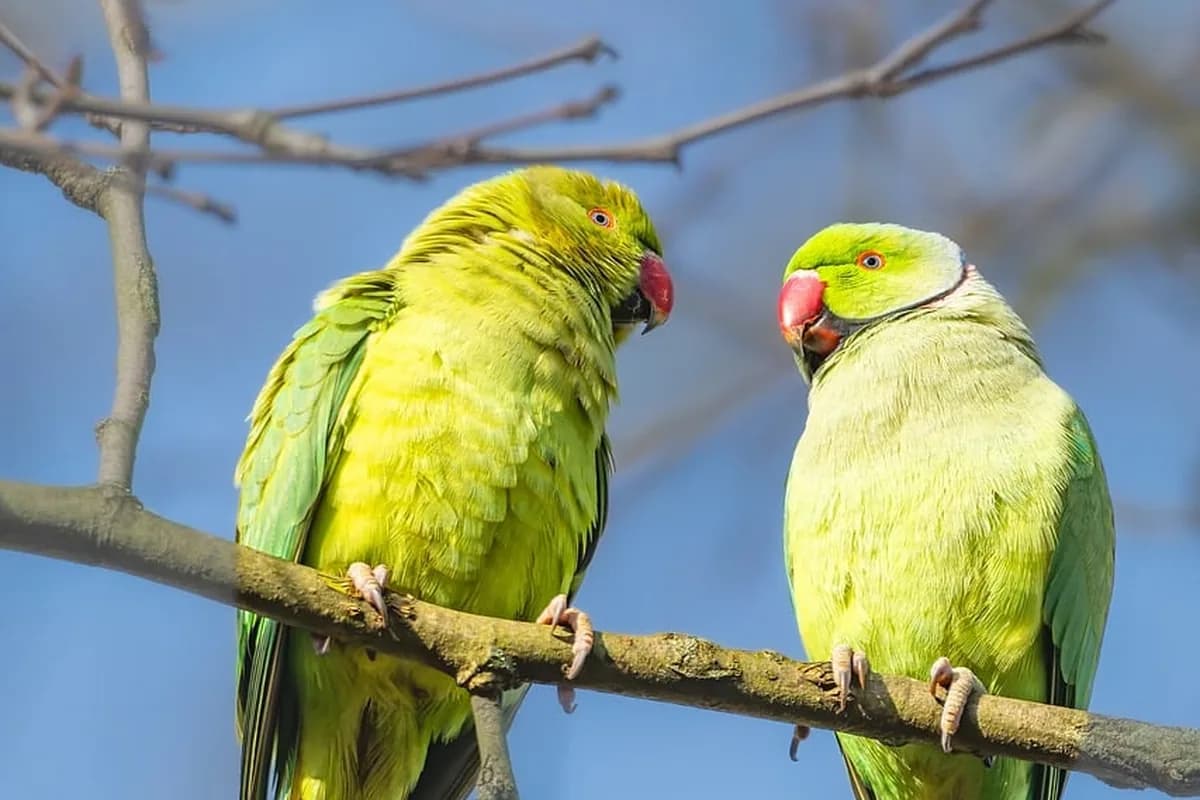
The Silent Threat to Your Bird's Health
If you've ever wondered why your avian veterinarian emphasizes diet so strongly, or why that all-seed diet your bird loves might not be the best choice, this article will help you understand one of the most serious — and unfortunately common — health issues we see in pet birds today.
Hepatic lipidosis, commonly known as fatty liver disease, affects an alarming number of companion birds. In our experience boarding over 1,000 birds at BST, we've seen firsthand how this condition can quietly develop over years, often going unnoticed until significant liver damage has already occurred.
Here's the thing: by the time most bird parents notice symptoms, their feathered friend's liver is already in serious trouble. But the good news is that with the right knowledge, this condition is largely preventable.
What is Fatty Liver Disease?
Fatty liver disease occurs when excess fat accumulates in your bird's liver cells, compromising the organ's ability to function properly. Think of it like clogging up your bird's most important detox center — the liver simply can't do its job of processing nutrients, filtering toxins, and producing essential proteins when it's overwhelmed with fat deposits.
The liver is remarkably resilient and can continue functioning even when significantly damaged, which is why this disease is often called a "silent killer." Your bird might seem perfectly normal while their liver slowly deteriorates.
Why Birds Are Particularly Susceptible
Birds have unique metabolisms that make them especially prone to fatty liver disease. Their high metabolic rate means they process food quickly, and their bodies are designed to store energy efficiently for flight — a survival mechanism that backfires in captivity when combined with high-fat diets and limited exercise.
How Common Is This Problem?
The statistics are sobering. Fatty liver disease is one of the most frequently diagnosed conditions in companion birds, particularly affecting:
- Amazon parrots (especially prone due to their love of rich foods)
- Budgerigars (often fed seed-only diets)
- Cockatiels (similar dietary issues as budgies)
- Cockatoos (tend to be less active and love fatty treats)
In our experience at BST, we've noticed that birds from households where seeds make up more than 50% of the diet are significantly more likely to show early warning signs of liver issues during their health assessments.
Important: Some estimates suggest that up to 75% of pet birds on all-seed diets will develop some degree of fatty liver disease during their lifetime.
The All-Seed Diet Connection
Let's address the elephant in the room — or should I say, the seed dish in the cage. Many bird parents grew up believing that seeds are the perfect bird food. After all, that's what birds eat in the wild, right?
The reality is more complex. While wild birds do eat seeds, they also consume a varied diet of fruits, vegetables, insects, and other foods depending on the season. They also fly miles every day searching for food. Your pet bird eating nothing but sunflower seeds while living in a cage is like you eating nothing but cheeseburgers while sitting on the couch all day.
The Problem with Seeds
Seeds, especially sunflower seeds, are essentially bird candy — high in fat and incredibly appealing. A diet consisting primarily of seeds can contain 40-60% fat, while a healthy bird diet should contain only 10-15% fat.
Common problematic seeds include:
- Sunflower seeds (up to 50% fat)
- Safflower seeds
- Peanuts (technically legumes, but equally fatty)
- Millet (lower fat but nutritionally incomplete)
Recognizing the Warning Signs
The challenge with fatty liver disease is that early symptoms are subtle and often attributed to other causes. Here are the key signs to watch for:
Physical Symptoms
Overgrown beak: One of the earliest and most reliable indicators. When the liver isn't functioning properly, beak growth can become abnormal, leading to overgrowth or unusual shapes.
Black spots or discoloration: Dark spots on the beak, nails, or feathers can indicate liver dysfunction. These spots are actually small hemorrhages caused by clotting problems.
Obesity: Gradual weight gain, especially around the abdomen. You might notice your bird's keel bone (breastbone) becoming harder to feel.
Changes in feather quality: Dull, brittle, or discolored feathers, particularly stress bars or abnormal molting patterns.
Behavioral Changes
Lethargy: Decreased activity, more time spent sitting quietly, less interest in play or interaction.
Breathing difficulties: Labored breathing, especially after minimal exertion, due to fat deposits pressing on air sacs.
Digestive issues: Changes in droppings, including color, consistency, or volume.
Reduced appetite: Ironically, as the condition progresses, birds may eat less despite being overweight.
Warning: If you notice any combination of these symptoms, especially an overgrown beak with black spots, schedule a veterinary appointment immediately. Time is critical with liver disease.
Diagnosis: Getting Answers
Diagnosing fatty liver disease requires veterinary expertise and specific tests. Your avian vet will likely recommend:
Blood Tests
- Liver enzymes (AST, ALT): Elevated levels indicate liver damage
- Bile acids: More sensitive test for liver function
- Complete blood count: Checks for anemia or infection
- Blood chemistry panel: Evaluates overall organ function
Physical Examination
Your vet will palpate your bird's abdomen, assess body condition, and examine the beak and feathers for telltale signs.
Sometimes Additional Tests
In advanced cases, X-rays or ultrasounds might be necessary to evaluate liver size and detect fat deposits.
Treatment: A Multi-Pronged Approach
If your bird is diagnosed with fatty liver disease, don't panic. While serious, this condition can often be managed successfully with proper treatment.
Immediate Dietary Changes
Eliminate high-fat foods immediately:
- Remove sunflower seeds, peanuts, and other fatty treats
- Transition to a high-quality pellet diet (aim for 70-80% of total diet)
- Introduce fresh vegetables (20-25% of diet)
- Limit fruits to small amounts (5-10% of diet)
Supportive Supplements
Milk thistle (silymarin): This herb supports liver regeneration and is commonly prescribed by avian vets. Always use under veterinary guidance for proper dosing.
Vitamin supplements: Your vet might recommend specific vitamins to support liver function and overall health.
Veterinary Monitoring
Regular follow-up appointments are crucial to monitor progress through blood tests and physical examinations. Your vet will track liver enzyme levels to ensure the treatment is working.
Gradual Exercise Increase
As your bird's condition improves, gradually increase activity levels with supervised out-of-cage time, foraging opportunities, and gentle encouragement to move more.
Prevention: The Best Medicine
The most effective treatment for fatty liver disease is preventing it from developing in the first place.
Optimal Diet Guidelines
Base diet (70-80%): High-quality pellets appropriate for your bird's species Fresh vegetables (15-20%): Dark leafy greens, orange vegetables, cruciferous vegetables Healthy grains (5-10%): Quinoa, brown rice, whole grain pasta Limited fruits (5%): Berries, apple slices, small amounts of other fruits Occasional treats: Healthy options like a few pumpkin seeds or a small piece of whole grain bread
Regular Exercise
- Provide several hours of supervised out-of-cage time daily
- Create foraging opportunities to encourage natural behaviors
- Use perches of varying diameters and textures
- Engage in interactive play sessions
Regular Veterinary Care
Annual wellness exams with an avian veterinarian can catch problems early. Many vets recommend yearly blood work for birds over five years old or those with risk factors.
Pro Tip: We've found that birds who transition to healthy diets gradually (over 2-3 weeks) are more likely to accept the changes permanently than those switched abruptly.
The Critical Timeline
Here's what many bird parents don't realize: liver damage from fatty liver disease is often irreversible. While proper treatment can halt progression and improve quality of life, significant liver damage that has already occurred cannot be undone.
This is why prevention and early intervention are so crucial. A bird showing symptoms of fatty liver disease may have been developing the condition for months or even years.
Final Thoughts
Fatty liver disease doesn't have to be a death sentence for your bird, but it is a serious wake-up call about the importance of proper nutrition and care. The birds we see at BST who maintain healthy weights and eat balanced diets consistently show better energy levels, brighter feathers, and more engaging personalities.
If you're currently feeding your bird a seed-based diet, consider this your gentle nudge to start making changes. Your feathered friend's liver — and their overall health — will thank you for it. Remember, small changes made consistently over time can have profound impacts on your bird's long-term health and happiness.
The investment in proper nutrition and regular veterinary care is always worth it when you see your bird thriving with bright eyes, glossy feathers, and the energy to be their wonderful, quirky selves for many years to come.
Explore related topics
Related Articles
Aspergillosis in Birds: The Invisible Fungal Killer
Aspergillosis is one of the most common and deadly avian diseases. It's caused by a fungus that's everywhere in our environment.
The Avian First Aid Kit: 25 Essential Supplies Every Bird Owner Needs
When an emergency happens, you need supplies ready NOW. Here's what every bird owner should have on hand.
Bird Insurance: Is It Worth It? A Complete Guide to Avian Pet Insurance
A single emergency vet visit can cost $2000+. Pet insurance for birds exists — here's whether it's worth the premium.