The Science of Bird Vision: How Parrots See the World
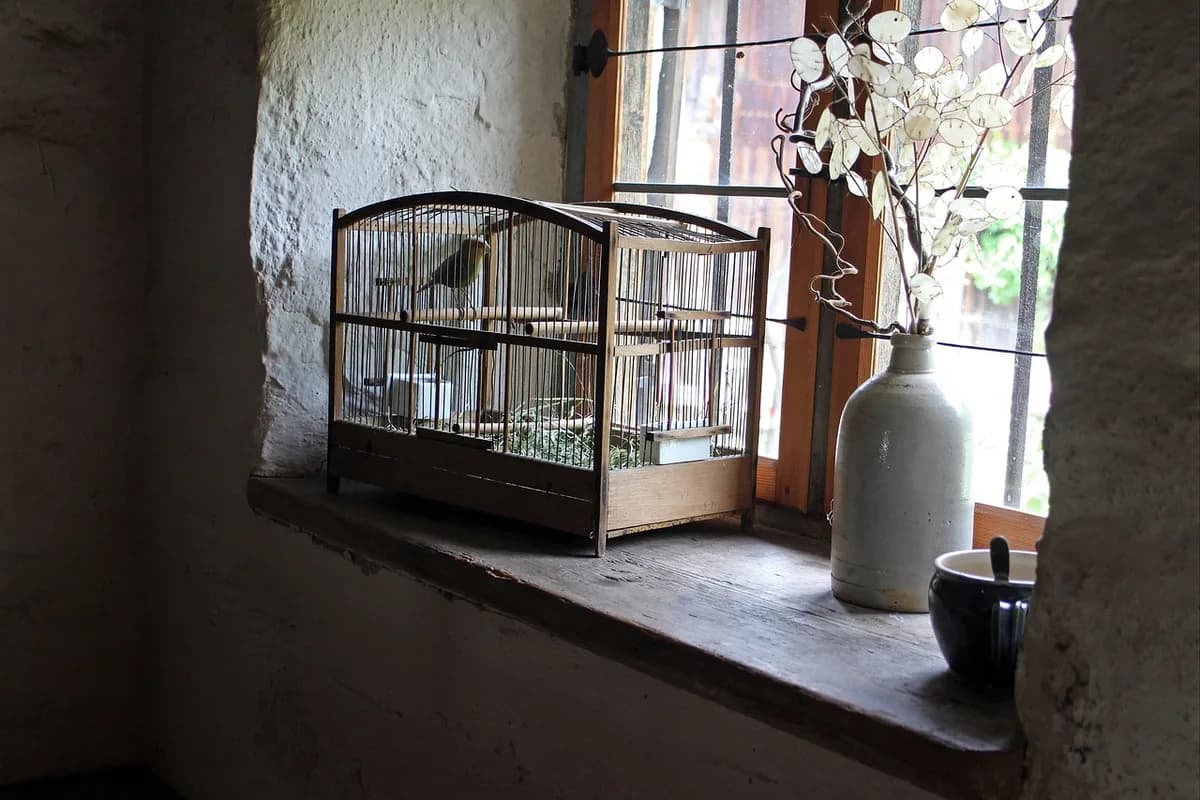
A Window Into Your Parrot's Visual World
Have you ever wondered what your parrot actually sees when they look at you? The answer might surprise you. Your feathered friend experiences a visual world so rich and complex that it makes our human vision seem almost primitive by comparison. Understanding how your bird sees can transform how you care for them — from the lighting you choose to where you place their cage.
In our experience boarding over 1,000 birds at BST, we've seen firsthand how proper lighting and visual environment can dramatically impact a bird's behavior, mood, and overall wellbeing. Let's dive into the fascinating science behind your parrot's incredible vision.
The Marvel of Tetrachromatic Vision
While humans have three types of color receptors (cones) in our eyes that allow us to see red, green, and blue light, birds have four. This tetrachromatic vision means your parrot literally sees millions more colors than you can even imagine.
Here's how it breaks down:
Human Vision (Trichromatic):
- Red cones
- Green cones
- Blue cones
- Sees roughly 10 million colors
Bird Vision (Tetrachromatic):
- Red cones
- Green cones
- Blue cones
- Ultraviolet (UV) cones
- Sees an estimated 100 million colors
Think about that for a moment — your bird sees ten times more colors than you do. That plain-looking seed mix? To your parrot, it's likely a rainbow of subtle color variations that help them identify the most nutritious options.
The Secret World of Ultraviolet Vision
Perhaps the most remarkable aspect of bird vision is their ability to see ultraviolet light. This isn't just a minor enhancement — UV vision fundamentally changes how birds perceive their world.
Mate Selection and Social Cues
Many birds have UV-reflective patches on their feathers that are completely invisible to us but brilliant to other birds. A male budgie that looks plain yellow to you might have stunning UV patterns that make him irresistible to potential mates. This is why proper full-spectrum lighting is so crucial for birds — without UV light, they literally can't see each other properly.
We often see behavioral improvements in our boarded birds when they're moved to areas with better lighting. Birds that seemed withdrawn or uninterested in their surroundings suddenly become more active and social.
Food Identification
UV vision also helps birds identify ripe fruits and healthy foods. Many fruits reflect UV light differently as they ripen, creating visual cues that guide birds to the most nutritious options. This explains why your parrot might reject certain foods that look perfectly fine to you — they might be seeing quality indicators you can't detect.
How Superior Vision Affects Behavior and Mood
Your bird's incredible visual abilities directly impact their emotional wellbeing in ways you might not realize.
Stress and Lighting
Poor lighting doesn't just affect what your bird sees — it affects how they feel. Birds rely heavily on visual cues for security and comfort. Inadequate lighting can lead to:
- Increased anxiety and stress
- Disrupted sleep patterns
- Reduced appetite
- Behavioral problems like excessive screaming or plucking
Seasonal Affective Responses
Just like humans can experience seasonal depression, birds are deeply affected by light quality and duration. Their vision is so sensitive to light changes that even subtle variations can trigger hormonal responses affecting mood, breeding behavior, and molting cycles.
Important: If your bird seems more aggressive, lethargic, or is showing breeding behaviors at inappropriate times, lighting issues might be the culprit.
The Essential Role of Full-Spectrum Lighting
Here's the thing — regular household lighting simply isn't enough for your bird. Standard LED bulbs and fluorescent lights don't provide the UV spectrum that birds need to see properly.
What Full-Spectrum Lighting Provides
Quality full-spectrum lighting for birds should include:
- UVA light (315-400nm): Essential for proper color vision and natural behaviors
- UVB light (280-315nm): Helps with vitamin D3 synthesis and calcium absorption
- Visible spectrum: All the colors we can see, plus those we can't
Choosing the Right Lighting
When selecting lighting for your bird:
Look for:
- Lights specifically designed for birds
- Full-spectrum bulbs with UVA and UVB output
- Flicker-free technology
- Natural light cycles (10-12 hours on/off)
Avoid:
- Standard household LED bulbs
- Fluorescent lights without UV output
- Lights that flicker or strobe
Pro Tip: Replace full-spectrum bulbs every 6-12 months, even if they still produce visible light. UV output decreases significantly over time, even when the bulb appears to work normally.
The Flicker Problem: Why LEDs and Screens Can Stress Birds
One of the most overlooked aspects of bird vision is their ability to detect flicker rates that are invisible to humans. Most standard LED lights and electronic screens flicker at rates that appear steady to us but look like a strobe light to birds.
How Birds See Flicker
Humans can detect flicker up to about 24 frames per second — which is why movies work for us. Birds, however, can detect flicker rates up to 100+ frames per second. This means:
- Standard LED bulbs appear to strobe constantly
- TV and computer screens look like rapidly flashing lights
- Cheap fluorescent lights create a disorienting light show
This constant visual "noise" can cause significant stress for your bird, leading to anxiety, sleep disruption, and behavioral issues.
Solutions for Flicker-Free Environment
- Invest in high-quality, flicker-free LED bulbs
- Keep TV screens and computers away from your bird's main living area
- Use DC-powered LED strips for cage lighting
- Consider full-spectrum fluorescent tubes with electronic ballasts
Practical Applications: Creating the Perfect Visual Environment
Understanding your bird's vision should influence several aspects of their care:
Cage Placement
Optimal positioning:
- Near a window for natural light (but not direct sun all day)
- Away from flickering screens and lights
- At eye level or slightly above for security
- With a clear view of family activity
Avoid placing cages:
- In dark corners or basements
- Directly in front of TVs or computer monitors
- Under standard fluorescent lights
- In areas with only artificial lighting
Toy Selection
Your bird's superior color vision means they can appreciate toy varieties you might not even notice:
- Choose toys with varied textures and colors
- Include natural materials that reflect UV light
- Rotate toys regularly to provide visual stimulation
- Consider how toys will look under your lighting setup
Warning: Avoid toys with small mirrors in areas with poor lighting. The reflection combined with inadequate UV light can cause confusion and stress.
Creating Visual Interest
Since birds see so much more detail than we do, their environment should be visually rich:
- Provide varied perch materials and textures
- Include plants (bird-safe varieties) for natural visual complexity
- Use different colored food bowls for enrichment
- Consider the visual backdrop behind the cage
Signs Your Bird's Visual Needs Aren't Being Met
Watch for these indicators that your bird might be struggling with their visual environment:
- Excessive screaming, especially during certain times of day
- Feather plucking or over-preening
- Reduced appetite or selective eating
- Aggressive or fearful behavior
- Disrupted sleep patterns
- Lack of interest in toys or activities
Final Thoughts
Your parrot's incredible vision is both a gift and a responsibility. By understanding how they see the world, you can create an environment that not only meets their basic needs but allows them to thrive. The investment in proper full-spectrum lighting and thoughtful cage placement pays dividends in your bird's health, behavior, and happiness.
Remember, what looks fine to your eyes might be a completely different experience for your feathered friend. When in doubt, think about lighting, placement, and visual stimulation from your bird's perspective — they're seeing a world far richer and more complex than we can imagine.
At BST, we've seen countless birds transform when their visual environment is optimized. The good news is that most improvements are straightforward to implement and can make an immediate difference in your bird's quality of life. Your parrot's amazing eyes deserve an equally amazing visual world to explore.
Explore related topics
Related Articles
Best Air Purifiers for Bird Owners: Protecting Your Bird's Lungs
Birds have incredibly sensitive respiratory systems. The right air purifier can literally save your bird's life.
Creating a Parrot-Safe Outdoor Space: Aviaries and Screen Porches
Fresh air and sunshine are incredible for parrots. Here's how to give outdoor time safely.
Humidity and Temperature Guide for Pet Birds: Creating the Perfect Environment
Canadian winters are brutally dry for tropical birds. Here's how to maintain ideal humidity and temperature.