Sun Conure: The Complete Care Guide for This Colorful Clown
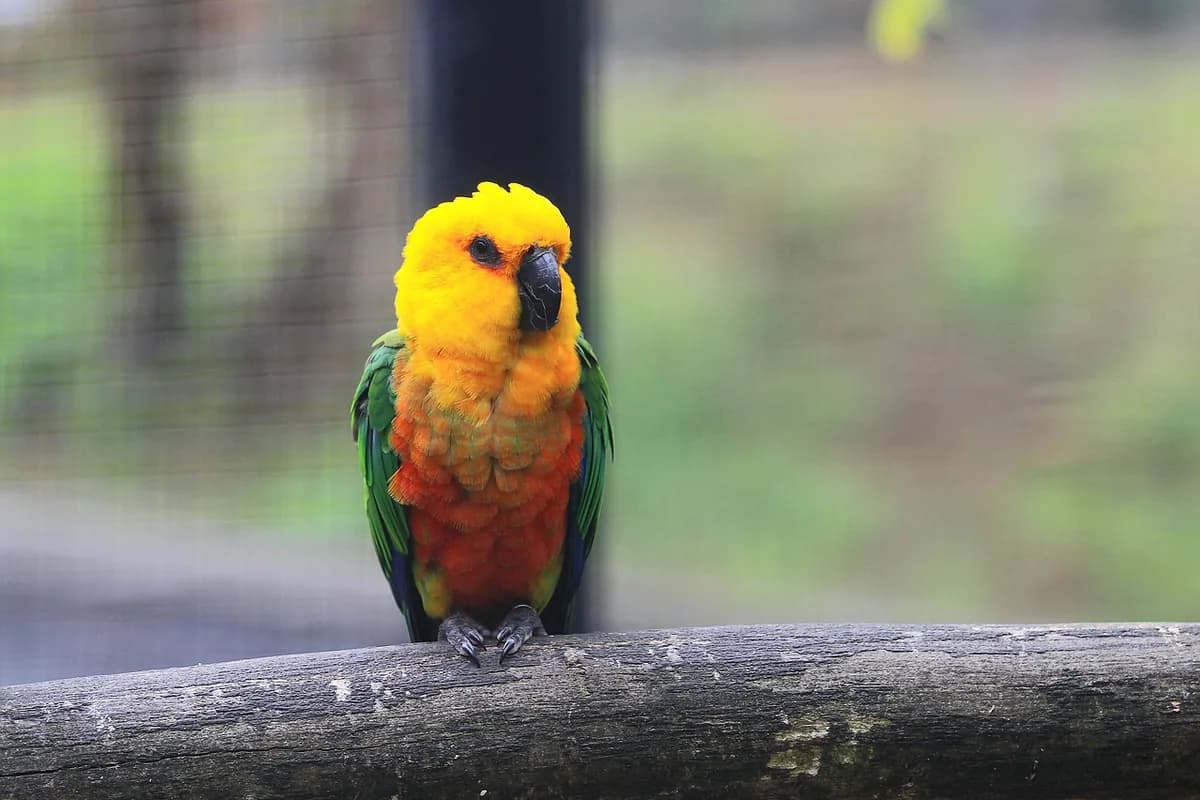
Meet the Sun Conure: A Feathered Rainbow with a Big Personality
If you've ever seen a sun conure in person, you know exactly why they've captured the hearts of bird lovers worldwide. These stunning parrots look like they've been dipped in liquid sunshine, with their brilliant orange and yellow plumage practically glowing under any light. But here's the thing — their beauty is just the beginning of what makes these birds so special (and so challenging).
At Bird Sitting Toronto, we've had the privilege of caring for dozens of sun conures over the years, and each one has left a lasting impression. They're the comedians of the parrot world, the snuggle champions, and yes, the vocal powerhouses that can wake the entire neighborhood. If you're considering adding one of these feathered gems to your family, you need to know what you're getting into.
Species Overview: The Aratinga solstitialis
The sun conure, scientifically known as Aratinga solstitialis, hails from the tropical rainforests of South America. In the wild, these vibrant birds call countries like Venezuela, Brazil, Guyana, and Suriname home, where they live in large, noisy flocks that can be heard from miles away.
Sun conures are medium-sized parrots, typically measuring 12 inches from beak to tail and weighing between 100-130 grams. They're part of the Aratinga genus, which includes several other colorful conure species, but none quite match the sun conure's spectacular coloration.
These birds reach sexual maturity around 2-3 years of age, and interestingly, males and females are nearly impossible to tell apart without DNA testing — they're what we call sexually monomorphic. Young sun conures start life with more muted colors and gradually develop their full brilliance as they mature.
Why Sun Conures Are So Popular: Living Rainbows
Let's talk about those colors — because wow. A fully mature sun conure is essentially a flying sunset. Their heads and bodies are predominantly golden yellow and bright orange, with touches of fiery red on their faces and bellies. Their wing feathers display beautiful gradients of green and blue, while their tail feathers shimmer with deep blue and green hues.
But it's not just their looks that make them popular. Sun conures have personalities that are larger than life, packed into a medium-sized package. They're the extroverts of the bird world — always ready for interaction, play, and yes, plenty of vocalizing.
Personality: Your Feathered Best Friend
In our experience boarding over 1,000 birds at BST, sun conures consistently rank among the most affectionate and interactive species we see. These birds form incredibly strong bonds with their humans and genuinely seem to enjoy being part of the family dynamic.
The Snuggle Factor
Sun conures are famously cuddly. Many will happily nestle under a blanket with you, tuck themselves into your shirt, or simply sit contentedly on your shoulder for hours. They're often called "velcro birds" because of their desire to be physically close to their favorite people.
Playful Comedians
These birds have a wonderful sense of humor and love interactive play. They'll chase balls, play peek-a-boo, hang upside down just to make you laugh, and invent games that involve you as their primary entertainment. Many sun conure owners report that their birds seem to deliberately do silly things to get reactions.
Social Butterflies
Sun conures are naturally flock animals, and in captivity, your family becomes their flock. They want to be involved in everything — dinner prep, watching TV, even "helping" with work calls (though your colleagues might not appreciate their vocal contributions).
The Noise Reality: What You MUST Know
Here's where I need to be completely honest with you: sun conures are among the loudest small parrots in existence. I cannot stress this enough — these birds are NOT suitable for apartment living or close neighbors.
Understanding Their Vocal Nature
In the wild, sun conures use their powerful voices to communicate across vast distances and maintain contact with their flock. This instinct doesn't disappear in captivity. They have natural calling times — typically early morning and evening — when they'll vocalize loudly regardless of training.
What to Expect
- Contact calls: Loud, piercing calls when you leave the room
- Flock calling: Extremely loud vocalizations in the morning and evening
- Excitement screaming: Happy, ear-splitting calls during play or when you come home
- Attention-seeking calls: Persistent loud calls when they want interaction
Important: Sun conures can reach decibel levels comparable to a motorcycle. If you live in an apartment, have close neighbors, or anyone in your household is sensitive to noise, a sun conure is not the right bird for you.
Managing the Volume
While you can't eliminate their natural vocalizations, you can work on timing and context:
- Establish quiet times with consistent routines
- Reward quiet behavior with attention
- Provide plenty of mental stimulation to reduce boredom calling
- Never yell back — it only encourages more noise
Diet: Fueling Your Feathered Rainbow
Proper nutrition is crucial for maintaining those brilliant colors and ensuring a long, healthy life. In the wild, sun conures eat a varied diet of fruits, seeds, flowers, and vegetation.
Foundation Diet
High-quality pellets should make up 70-80% of your sun conure's diet. Look for pellets specifically formulated for medium-sized parrots, without artificial colors or excessive preservatives.
Fresh Foods (20-30% of diet)
Vegetables (daily):
- Dark leafy greens (kale, spinach, chard)
- Orange vegetables (carrots, sweet potato, squash)
- Broccoli, bell peppers, snap peas
- Fresh corn on the cob (a favorite!)
Fruits (2-3 times per week):
- Berries, apple slices, grapes
- Mango, papaya, pomegranate
- Limit high-sugar fruits
Seeds and Treats
Seeds should be treats only, not a primary food source. A small amount of high-quality seed mix can be used for training rewards or foraging activities.
Pro Tip: We've noticed that sun conures at BST are particularly motivated by sunflower seeds and pine nuts during training sessions — use these sparingly as high-value rewards.
Training: Smart Cookies with Attitude
Sun conures are intelligent birds that genuinely enjoy learning new things. Their eagerness to please and food motivation make them excellent training candidates.
Basic Training Essentials
- Step-up command: Foundation for all handling
- Station training: Teaching them to go to designated perches
- Recall training: Coming when called (essential for safety)
- Quiet command: Helping manage their vocal enthusiasm
Advanced Tricks
Many sun conures excel at:
- Retrieving objects
- Color identification
- Simple agility courses
- Speaking a few words (though they're not the most talkative parrots)
Training Tips
- Keep sessions short (5-10 minutes)
- Use positive reinforcement only
- Be consistent with commands
- Make it fun — they respond better to enthusiastic trainers
Common Health Issues: What to Watch For
Sun conures are generally hardy birds, but there are some health concerns to be aware of.
Conure Bleeding Syndrome
This is a serious condition where birds experience unexplained bleeding, often related to vitamin K deficiency. Symptoms include:
- Bleeding from the beak, nails, or skin
- Bruising under the skin
- Lethargy and weakness
Warning: Any unexplained bleeding requires immediate veterinary attention. This condition can be fatal if not treated promptly.
Other Common Issues
- Feather plucking: Often stress or boredom related
- Respiratory infections: Watch for discharge, breathing changes
- Nutritional deficiencies: Poor diet can affect feather quality and color
- Psittacosis: Bacterial infection requiring antibiotic treatment
Preventive Care
- Annual vet checkups with an avian veterinarian
- Quarantine new birds
- Maintain clean environment
- Provide varied, nutritious diet
- Ensure adequate sleep (10-12 hours of darkness)
Lifespan: A Long-Term Commitment
Sun conures typically live 25-30 years with proper care, though some have reached their late 30s. This is a significant commitment that will likely span major life changes — career shifts, moves, family changes, and more.
When we see long-term sun conure clients at BST, it's clear that the birds who thrive are those whose families have planned for this longevity. Consider:
- Who will care for your bird if you become unable to?
- How will housing changes affect your bird's environment?
- Can you provide consistent care and veterinary expenses for decades?
Conservation Status: A Species in Trouble
Here's something that might surprise you: despite their popularity in captivity, sun conures are actually endangered in their native habitat. Deforestation, illegal trapping for the pet trade, and habitat destruction have significantly impacted wild populations.
This makes responsible captive breeding and ownership even more important. If you're getting a sun conure, ensure it comes from a reputable breeder who prioritizes bird welfare over profit. Never support the illegal wildlife trade.
Final Thoughts: Is a Sun Conure Right for You?
Sun conures are absolutely magnificent birds that can bring tremendous joy to the right home. They're affectionate, entertaining, beautiful, and genuinely wonderful companions. But they're also loud, demanding, long-lived, and require significant daily interaction.
The families we see at BST who have the happiest sun conures are those who:
- Have adequate space and understanding neighbors
- Can provide 3-4 hours of daily interaction
- Appreciate (or at least tolerate) their vocal nature
- Are prepared for a 25-30 year commitment
- Have experience with parrot behavior or are committed to learning
If this sounds like you, a sun conure might just be the perfect feathered addition to your family. Just remember — once you go sun conure, you'll never look at other birds quite the same way. They're that special.
Explore related topics
Related Articles
Best Talking Parrot Species Ranked: From Chatterbox to Silent Type
Which parrots actually talk? Here's an honest ranking with realistic expectations for each species.
Bourke's Parakeet: The Complete Care Guide for This Gentle Species
Bourke's parakeets are the calmest, quietest parrots you'll ever meet. Perfect for beginners and apartments.
Lineolated Parakeet: The Complete Care Guide for Linnies
Lineolated parakeets (linnies) are quirky, quiet, and surprisingly cuddly. Here's everything you need to know.