Senior Parrot Care: How to Support Your Aging Bird
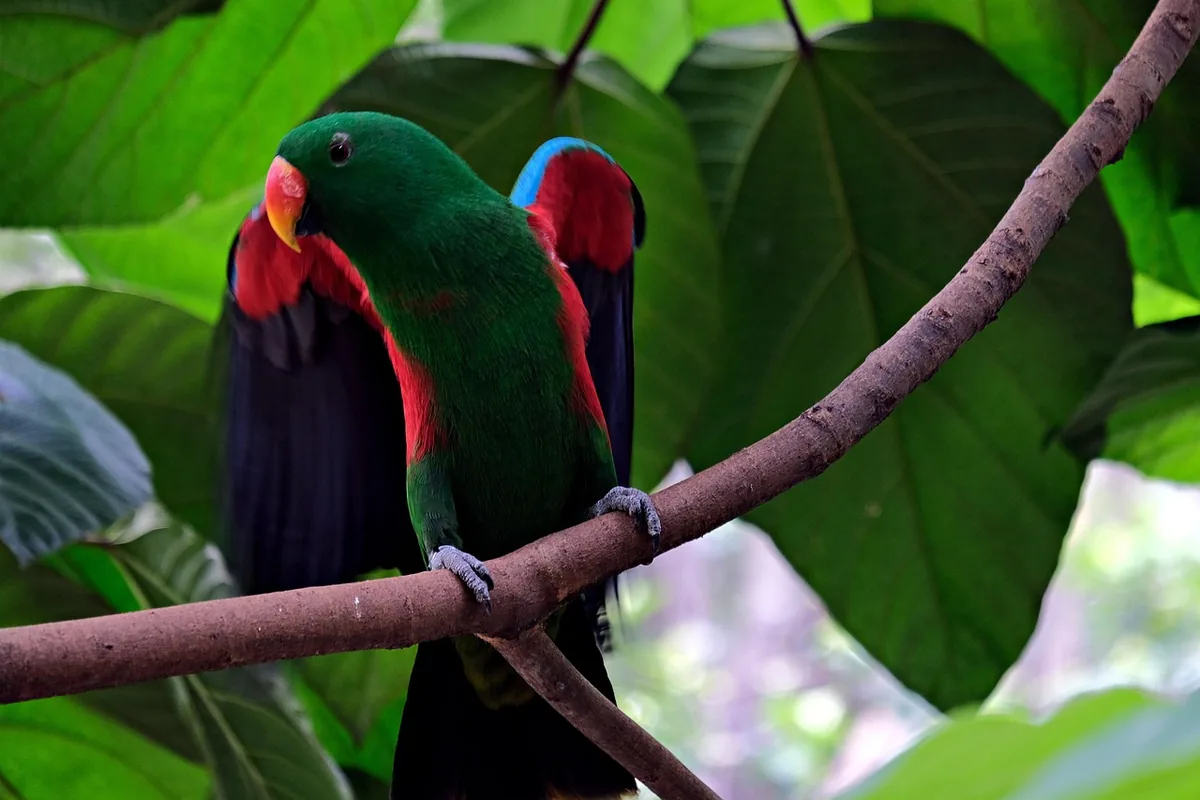
The Golden Years: Embracing Your Parrot's Senior Journey
Watching your beloved parrot enter their golden years is both a privilege and a responsibility. These remarkable birds can live for decades, and if you're reading this, chances are your feathered companion has been part of your family for a significant portion of your life together. The bond you've built over the years makes this stage even more meaningful — and yes, sometimes more challenging.
In our experience boarding over 1,000 birds at BST, we've had the honor of caring for many senior parrots, each with their own unique needs and personalities that have only grown richer with age. Here's the thing: aging is a natural process, and with the right adjustments and care, your senior bird can continue to thrive and enjoy life to the fullest.
When Is Your Parrot Considered a Senior?
The timeline for when parrots are considered senior varies significantly by species, much like how a Great Dane ages differently than a Chihuahua. Here's a general guide to help you understand where your bird falls:
Small Species (10-20 years):
- Cockatiels, lovebirds, parrotlets: Senior at 12-15 years
- Budgies, canaries: Senior at 6-8 years
Medium Species (20-40 years):
- Conures, caiques, small cockatoos: Senior at 15-20 years
- African Greys, Amazons: Senior at 25-30 years
Large Species (40+ years):
- Large cockatoos, large macaws: Senior at 30-35 years
- Some can live 80+ years, so "senior" is relative
Important: These are general guidelines. Your individual bird's health, genetics, diet, and care throughout their life all play crucial roles in how they age.
Common Age-Related Changes to Watch For
Just like us, parrots experience various changes as they age. Recognizing these early helps you provide the best possible care:
Physical Changes
Decreased Mobility and Muscle Loss You might notice your bird moving more slowly or hesitating before climbing or flying. Muscle mass naturally decreases with age, and joints may become stiffer.
Vision Changes Cataracts can develop, causing cloudy or bluish eyes. Your bird might seem more cautious when moving around or have trouble locating food and toys.
Arthritis and Joint Issues Swollen joints, reluctance to perch normally, or favoring one foot over another can indicate arthritis. This is particularly common in larger species.
Liver and Kidney Decline These vital organs work harder over time. You might notice changes in appetite, increased thirst, or changes in droppings.
Feather and Skin Changes Feathers may become duller, grow more slowly, or have different textures. Skin might appear thinner or more fragile.
Behavioral Changes
Senior birds often become more set in their ways (sound familiar?). They might be less interested in new toys, prefer familiar routines, or become more selective about social interactions. This isn't stubbornness — it's often a response to physical changes or simply the wisdom of age.
Nutritional Adjustments for Your Senior Bird
Diet becomes even more crucial as your parrot ages. Their changing metabolism and potential health issues require thoughtful adjustments:
Softer Food Options
Easy-to-Eat Formats:
- Cooked vegetables instead of raw when appropriate
- Soaked pellets to make them easier to crack
- Mashed fruits for birds with beak or jaw issues
- Warm foods (not hot) can be more appealing and easier to digest
Enhanced Nutrition Needs
Higher Calcium Requirements: Senior birds, especially females, benefit from increased calcium. Offer:
- Dark leafy greens (kale, collard greens, bok choy)
- Broccoli and calcium-rich vegetables
- Small amounts of low-fat cheese (for birds that tolerate dairy)
Antioxidant-Rich Foods: Support their aging bodies with:
- Colorful vegetables and fruits
- Sweet potatoes, carrots, and bell peppers
- Berries (blueberries, cranberries)
- Dark leafy greens
Pro Tip: We often see senior birds at BST who benefit from multiple smaller meals throughout the day rather than two large ones. This can be easier on their digestive system and help maintain steady energy levels.
Foods to Limit or Avoid
- High-fat seeds and nuts (reduce portions)
- Processed human foods
- Excessive fruits (natural sugars can stress aging organs)
- Any foods high in salt or sugar
Cage Modifications for Comfort and Safety
Your senior bird's environment needs to adapt to their changing abilities:
Perch Adjustments
Lower Placement:
- Move perches closer to cage bottom to prevent injury from falls
- Ensure the highest perch is no more than 12-18 inches from cage floor
Varied Textures and Sizes:
- Rope perches for arthritic feet
- Flat platforms for resting
- Natural wood branches with varying diameters
- Heated perches for birds with circulation issues (use bird-safe models only)
Easy Access Features
Food and Water Placement:
- Multiple feeding stations at different heights
- Shallow, wide water dishes that are easier to access
- Non-slip mats under food bowls
Ramps and Platforms:
- Small ramps between perch levels
- Flat resting platforms where birds can lie down if needed
- Soft bedding materials for comfort
Safety Considerations
- Remove or relocate toys with small parts that could cause injury
- Ensure cage bar spacing prevents getting stuck
- Add extra lighting if vision is compromised
- Consider a cage cover that provides security while allowing easy monitoring
Adapting Exercise and Enrichment
Senior birds still need mental and physical stimulation, but the approach should be gentler:
Modified Exercise
Shorter, More Frequent Sessions:
- Brief out-of-cage time multiple times daily
- Encourage walking rather than demanding flight
- Gentle stretching exercises (raising wings, stepping up/down)
Low-Impact Activities:
- Foraging games at ground level
- Puzzle toys that don't require extensive manipulation
- Simple training sessions that provide mental stimulation
Important: Never force exercise on a senior bird showing signs of distress or fatigue. Let them set the pace.
Veterinary Care: Your Senior Bird's Health Team
Senior birds require more frequent veterinary attention:
Twice-Yearly Checkups
Regular wellness exams every six months allow for:
- Early detection of age-related diseases
- Blood work to monitor organ function
- Weight and body condition assessments
- Beak and nail trims as needed
- Discussion of any behavioral changes
Specialized Testing
Your avian veterinarian might recommend:
- Complete blood chemistry panels
- X-rays to check for arthritis or organ changes
- Eye examinations for vision issues
- Specialized diets or supplements
Pain Management
Don't assume your bird "just has to live with" arthritis or other painful conditions. Modern avian medicine offers safe pain management options that can significantly improve quality of life.
The Emotional Journey: Decades of Companionship
Here's something we don't talk about enough: the emotional aspect of caring for a senior parrot. If you've had your bird for 20, 30, or even 40+ years, they've been through life's ups and downs with you. They've seen you through different homes, relationships, career changes, and family milestones.
Cherishing the Bond
This deep relationship brings both joy and concern. You know your bird's personality intimately — their favorite perching spot, the way they greet you in the morning, their preferences for interaction. This knowledge becomes invaluable in recognizing subtle changes that might indicate health issues.
Managing Worry
It's natural to worry more about your senior bird. Every small change can feel significant when you're aware of their age. The good news is that with proper care, many senior parrots continue to live happy, comfortable lives for years.
Quality Time
Focus on what your bird can still enjoy rather than what they can no longer do. Maybe they don't play with toys as vigorously, but they might enjoy gentle head scratches more than ever. Perhaps they're less active, but they've become an even better companion for quiet moments together.
Final Thoughts
Caring for a senior parrot is both a responsibility and a privilege. These wise, experienced birds have given you years of companionship, entertainment, and love. Now it's your turn to ensure their golden years are comfortable, dignified, and filled with the care they deserve.
Remember that every bird ages differently. Some 25-year-old macaws are spry and active, while others show signs of aging earlier. Work closely with your avian veterinarian, trust your instincts about your bird's needs, and don't hesitate to make adjustments to their care routine.
At BST, we've seen how much joy senior birds continue to bring to their families. Yes, they require more attention and specialized care, but the depth of the bond you share during these years often becomes even more precious. Your senior parrot isn't just aging — they're sharing their wisdom, their trust, and their continued love with you every single day.
Explore related topics
Related Articles
Aspergillosis in Birds: The Invisible Fungal Killer
Aspergillosis is one of the most common and deadly avian diseases. It's caused by a fungus that's everywhere in our environment.
The Avian First Aid Kit: 25 Essential Supplies Every Bird Owner Needs
When an emergency happens, you need supplies ready NOW. Here's what every bird owner should have on hand.
Bird Insurance: Is It Worth It? A Complete Guide to Avian Pet Insurance
A single emergency vet visit can cost $2000+. Pet insurance for birds exists — here's whether it's worth the premium.