Recognizing Avian Emergencies: 10 Signs You Need a Vet NOW
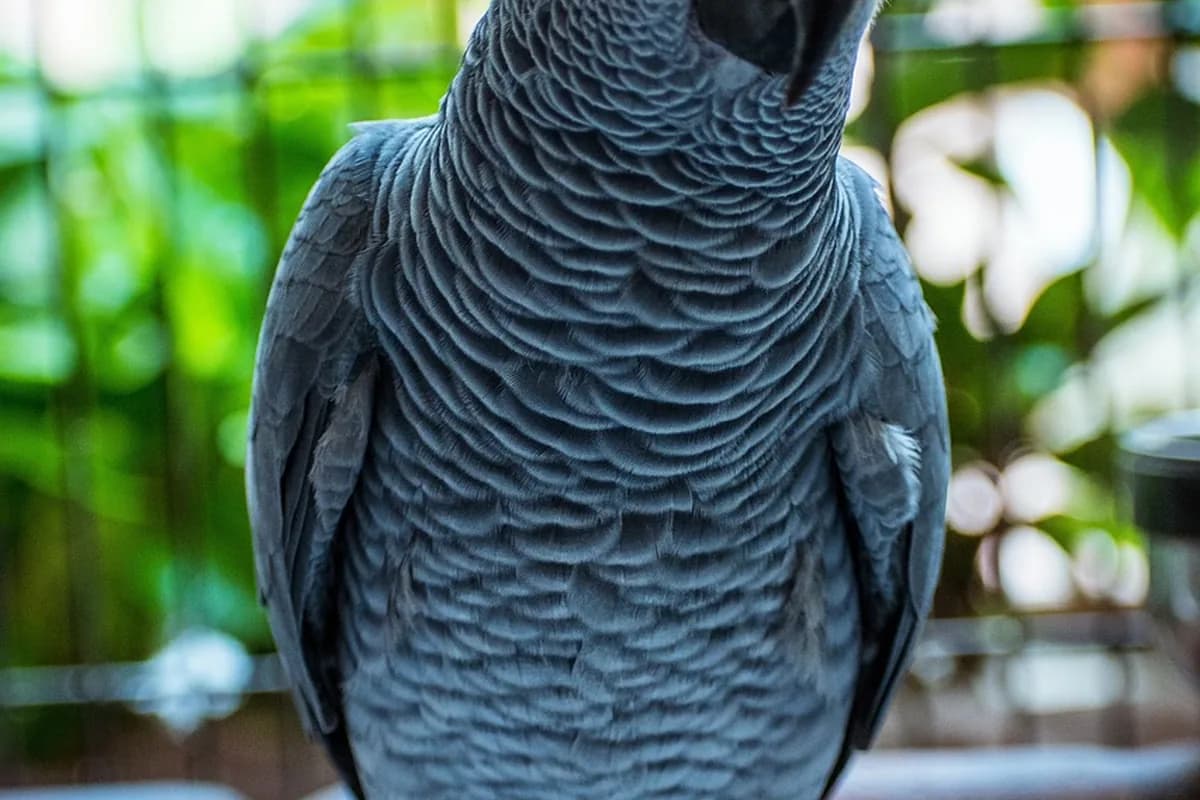
When Every Second Counts: Recognizing True Bird Emergencies
As a bird parent, there's nothing more terrifying than watching your feathered friend suddenly become ill or injured. Here's the thing — birds are masters at hiding illness until they're critically sick, which means when symptoms finally show, you're often dealing with a true emergency.
In our experience boarding over 1,000 birds at BST, we've seen how quickly a minor concern can become life-threatening. The good news is that recognizing these critical signs early and acting fast can save your bird's life. Let's walk through the 10 emergency situations where your bird needs veterinary care immediately — not tomorrow, not in a few hours, but right now.
1. Bleeding That Won't Stop
Birds have very little blood volume compared to mammals, so any significant bleeding is immediately life-threatening. Even what looks like a small amount of blood loss can be catastrophic for your bird.
Why it's critical: A bird can bleed to death in minutes from what seems like a minor wound. Their rapid metabolism means they can't compensate for blood loss the way larger animals can.
Immediate first aid:
- Apply direct pressure with a clean cloth or gauze
- For broken blood feathers, use flour or cornstarch to help clotting
- Never use styptic powder on skin wounds — only on nails or beaks
- Keep your bird calm and warm
Transport tips: Maintain pressure on the wound during transport. Have someone else drive if possible so you can monitor your bird.
Warning: Never pull out a broken blood feather yourself unless you're trained. The follicle can hemorrhage severely.
2. Difficulty Breathing or Tail Bobbing
Respiratory distress in birds is always an emergency. Unlike dogs who pant normally, birds should never show labored breathing when at rest.
Why it's critical: Birds' respiratory systems are incredibly efficient but also delicate. Any compromise can lead to oxygen deprivation and death within minutes.
Watch for these signs:
- Tail bobbing with each breath
- Open-mouth breathing
- Wheezing or clicking sounds
- Sitting with neck extended
- Fluffed feathers while breathing heavily
Immediate first aid:
- Remove any potential respiratory irritants (candles, aerosols, Teflon pans)
- Ensure good ventilation but avoid drafts
- Keep your bird calm — stress worsens breathing problems
- Don't handle unnecessarily
Transport tips: Use a well-ventilated carrier and avoid covering it completely. Keep the environment quiet to reduce stress.
3. Sitting on Cage Floor or Unable to Perch
A bird that can't or won't perch is telling you something is seriously wrong. This is one of the most reliable indicators of severe illness or injury.
Why it's critical: Birds instinctively perch even when sick — it's a survival mechanism. When they lose this ability or instinct, they're often critically ill.
Immediate first aid:
- Provide soft bedding on the cage floor
- Remove water dishes that could pose a drowning risk
- Lower food and water to floor level
- Keep the environment warm and quiet
Transport tips: Use a small carrier with soft towels. Your bird may not be able to grip a perch during transport.
4. Seizures
Seizures in birds are dramatic and terrifying to witness. They can be caused by toxins, infections, trauma, or metabolic disorders.
Why it's critical: Seizures indicate serious neurological compromise and can cause injury or death if prolonged.
What you'll see:
- Uncontrolled thrashing or convulsions
- Loss of consciousness
- Falling from perches
- Abnormal vocalizations
Immediate first aid:
- Don't try to restrain your bird during the seizure
- Remove any objects they could injure themselves on
- Time the seizure if possible
- Keep the environment dim and quiet afterward
Transport tips: Wait until the seizure ends before moving your bird. Use a padded carrier and drive carefully to avoid triggering another episode.
5. Ingestion of Toxins
Birds are incredibly sensitive to toxins that might not affect other pets. Common household items can be deadly to birds.
Why it's critical: Many toxins work rapidly in birds' fast metabolisms. Some, like Teflon fumes or chocolate, can kill within hours.
Common bird toxins:
- Chocolate, caffeine, alcohol
- Avocado
- Teflon fumes
- Lead (stained glass, weights, paint)
- Zinc (galvanized metal)
- Salt
- Fruit pits and apple seeds
Immediate first aid:
- Remove the source immediately
- Don't induce vomiting unless specifically instructed by a vet
- Bring a sample of what was ingested
- Note the time and estimated amount consumed
Pro Tip: Keep your avian vet's poison control protocol handy. Some toxins have specific antidotes that work best when given quickly.
6. Egg Binding in Hens
A hen straining to lay an egg for more than a few hours is experiencing a life-threatening emergency. Egg binding can kill within 24-48 hours.
Why it's critical: The stuck egg can block waste elimination, cut off blood circulation, and exhaust the bird's energy reserves.
Signs to watch for:
- Straining or pushing motions
- Sitting low with tail down
- Swollen abdomen
- Lethargy
- Loss of appetite
- Visible egg at the vent opening
Immediate first aid:
- Increase humidity around your bird (bathroom with hot shower running)
- Provide warmth
- Don't attempt to remove the egg yourself
- Minimize handling and stress
Transport tips: Keep your bird warm and upright during transport. A heating pad on low under half the carrier can help.
7. Burns
Burns from hot surfaces, boiling water, or cooking oil are more common than you might think. Birds' curious nature and ability to fly puts them at risk.
Why it's critical: Birds have thin skin that burns easily, and their small size means even minor burns cover a significant percentage of their body.
Immediate first aid:
- Flush with cool (not cold) water for 10-15 minutes
- Don't use ice or butter
- Don't pop any blisters
- Keep your bird warm after cooling the burn
- Cover with clean, damp cloth if needed
Transport tips: Continue to keep burned areas moist during transport, but ensure your bird stays warm.
8. Animal Bites (Even Minor Ones)
This is the emergency that surprises most bird owners. Even if your bird seems fine after a cat or dog bite, the bacteria in mammalian saliva can kill birds within 24 hours.
Why it's critical: Cats and dogs carry Pasteurella bacteria that's deadly to birds. Even a tiny puncture wound can introduce enough bacteria to cause fatal sepsis.
Immediate first aid:
- Start antibiotics immediately if you have them (call your vet first)
- Clean visible wounds gently with saline
- Don't wait to see if your bird "seems okay"
- Note the time of the bite
Transport tips: This is a true race against time. Even if your bird appears normal, get to a vet immediately.
Important: Never assume a bird is fine after a mammalian bite, even if you can't see wounds. The bacteria is the real threat, not just physical trauma.
9. Complete Loss of Appetite for 24+ Hours
While birds may eat less when stressed or slightly unwell, a complete refusal to eat for a full day is an emergency situation.
Why it's critical: Birds have extremely fast metabolisms and can develop life-threatening hypoglycemia (low blood sugar) quickly without food.
What to watch for:
- No interest in favorite treats
- Full food dishes at end of day
- Weight loss (if you have a scale)
- Increased sleeping
Immediate first aid:
- Offer favorite foods and treats
- Ensure fresh water is available
- Keep your bird warm
- Monitor for other symptoms
Transport tips: Bring samples of your bird's regular food and any treats they might accept.
10. Extreme Lethargy or Unresponsiveness
A bird that won't react to your voice, movement, or gentle touch is in critical condition. This level of lethargy indicates severe illness.
Why it's critical: Birds are naturally alert and responsive. When they become unresponsive, it often means they're near death.
Signs of extreme lethargy:
- No response to their name or your voice
- Eyes closed or half-closed constantly
- No reaction when you approach the cage
- Difficulty staying upright
Immediate first aid:
- Provide warmth immediately
- Don't force food or water
- Handle minimally but ensure they're breathing
- Keep environment quiet and dim
Transport tips: Use gentle warming during transport but ensure adequate ventilation.
Emergency Preparedness: What Every Bird Owner Needs
Have these ready before you need them:
- Your avian vet's 24-hour emergency number
- Location of nearest emergency animal hospital
- A travel carrier that fits your bird
- Basic first aid supplies (gauze, saline solution, small towels)
- Your vet's after-hours protocol
Finding emergency care:
- AAV (Association of Avian Veterinarians) website has a vet locator
- Many emergency animal hospitals have avian-experienced vets on call
- Some areas have dedicated exotic animal emergency clinics
Pro Tip: Establish a relationship with an avian vet before you need emergency care. Regular wellness visits mean they already know your bird's baseline health.
Final Thoughts
The reality of bird ownership is that emergencies can happen suddenly and progress rapidly. We've seen too many cases where "waiting until morning" or "seeing if they improve" led to tragic outcomes. Trust your instincts — if something feels wrong with your bird, it probably is.
Remember, birds are prey animals programmed to hide illness until they're critically sick. By the time you notice symptoms, you're often dealing with an advanced condition that needs immediate intervention. When in doubt, call your avian vet. They'd rather have you bring in a bird that turns out to be fine than miss the opportunity to save a life.
Your quick recognition and fast action can mean the difference between a treatable emergency and a heartbreaking loss. Keep this list handy, know your emergency contacts, and never hesitate to seek help when your feathered friend needs it most.
Explore related topics
Related Articles
Aspergillosis in Birds: The Invisible Fungal Killer
Aspergillosis is one of the most common and deadly avian diseases. It's caused by a fungus that's everywhere in our environment.
The Avian First Aid Kit: 25 Essential Supplies Every Bird Owner Needs
When an emergency happens, you need supplies ready NOW. Here's what every bird owner should have on hand.
Bird Insurance: Is It Worth It? A Complete Guide to Avian Pet Insurance
A single emergency vet visit can cost $2000+. Pet insurance for birds exists — here's whether it's worth the premium.