Quarantine Protocol: How to Safely Introduce a New Bird to Your Home
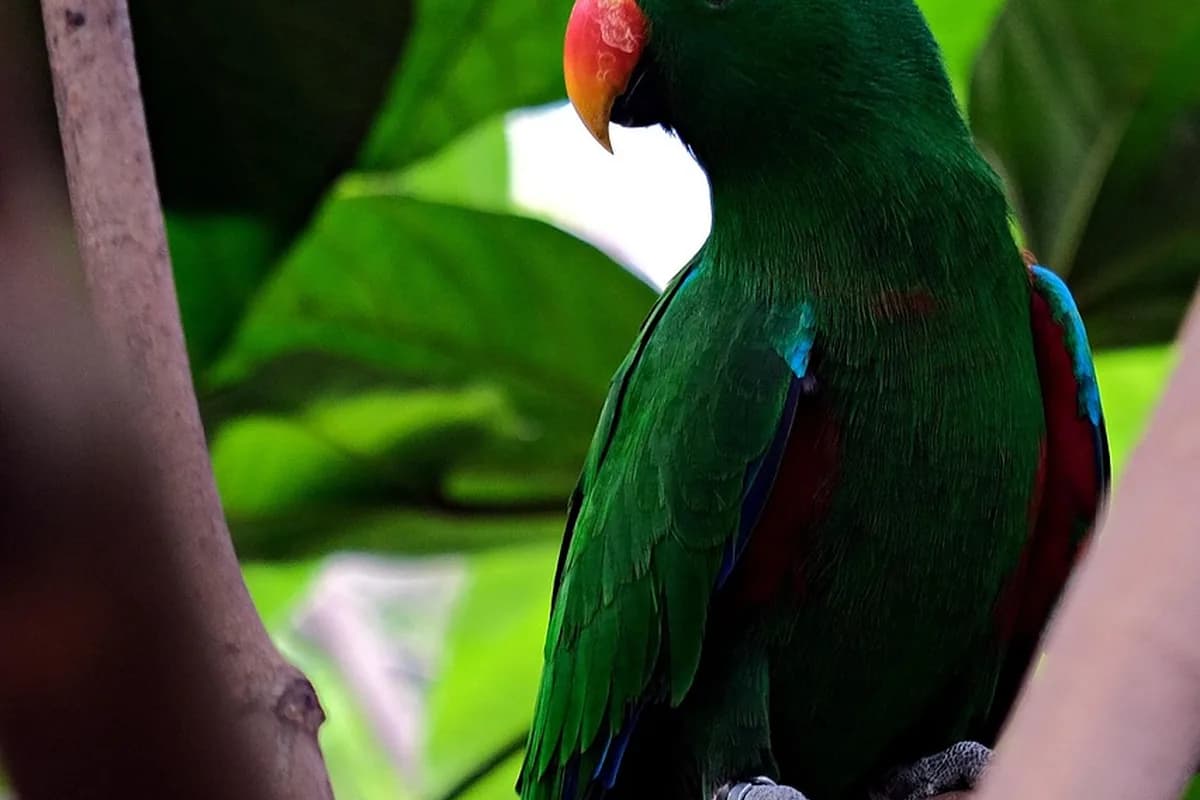
The Most Important Thing You'll Do for Your New Bird (And Your Existing Flock)
Bringing home a new bird is exciting — you've probably already picked out the perfect cage spot and can't wait to see how they'll get along with your current feathered family. But here's the thing: the most loving thing you can do for both your new bird and your existing flock is to keep them completely separated for the next 30 to 90 days.
I know that sounds like forever when you're eager to start bonding, but quarantine isn't just a suggestion — it's absolutely non-negotiable. At Bird Sitting Toronto, we quarantine every single new arrival, no exceptions. In our experience boarding over 1,000 birds, we've seen firsthand how devastating it can be when this crucial step gets skipped.
Why Quarantine Is Non-Negotiable
The reality about avian diseases is sobering: many serious conditions show absolutely no visible symptoms for weeks or even months. Your new bird might appear perfectly healthy — bright eyes, good appetite, normal behavior — while silently incubating something that could devastate your entire flock.
Birds are masters at hiding illness. It's a survival instinct that served them well in the wild, but it makes early disease detection incredibly challenging for us as caregivers. By the time symptoms appear, a bird may have been contagious for weeks.
Some of the most serious avian diseases that can spread during this "silent" period include:
- Psittacine Beak and Feather Disease (PBFD) — can be transmitted for months before symptoms appear
- Polyomavirus — particularly dangerous to young birds, often fatal
- Chlamydiosis (Psittacosis) — can also infect humans
- Avian Bornavirus — causes progressive neurological symptoms
- Various bacterial and fungal infections — may remain dormant until stress triggers an outbreak
Important: Even birds from reputable breeders or stores need quarantine. Disease transmission can happen anywhere birds congregate, and stress from rehoming can trigger latent infections.
Quarantine Duration: Longer Is Better
The minimum quarantine period is 30 days, but honestly, that's cutting it close. Here's what we recommend:
- Minimum: 30 days (only if vet testing comes back completely clear)
- Standard: 45 days (what most avian vets recommend)
- Ideal: 60-90 days (especially for valuable breeding birds or large flocks)
At BST, we typically quarantine new birds for 45-60 days. The extra time isn't just about disease prevention — it also allows the new bird to decompress and adjust to their new environment without the added stress of meeting other birds.
Setting Up Your Quarantine Space
Proper quarantine means complete separation — not just separate cages in the same room. You need:
Physical Requirements
- Separate room with a door that closes
- Different air circulation — no shared HVAC if possible
- Separate supplies: food dishes, water bottles, toys, cleaning supplies
- Dedicated quarantine clothes or coveralls
- Hand washing station or sanitizer nearby
The Ideal Setup
Your quarantine room should be:
- Quiet and low-traffic to minimize stress
- Easy to clean and disinfect
- Well-ventilated but separate from your main bird area
- Comfortable temperature (68-78°F)
- Away from kitchen fumes, chemicals, or strong odors
Pro Tip: If you don't have a spare room, consider setting up quarantine in a basement, garage (if temperature-controlled), or even a large bathroom. The key is complete air separation from your existing birds.
Daily Quarantine Protocol
This routine is crucial — always care for your resident birds first, then your quarantine bird:
Morning Routine
- Care for all existing birds completely (feeding, cleaning, interaction)
- Wash hands thoroughly and change clothes
- Enter quarantine room and care for new bird
- Remove quarantine clothes immediately after
- Wash hands again before touching anything else
What This Looks Like in Practice
- Keep quarantine supplies completely separate
- Use different food scoops, water containers, cleaning cloths
- Don't share toys or perches between birds
- Wash quarantine clothes separately from your regular laundry
- Consider keeping hand sanitizer outside the quarantine room
Warning: Even brief contact can transmit disease. Don't pet your quarantine bird then immediately handle your other birds, even if you "just washed your hands."
Essential Vet Visit and Testing
Within the first week of quarantine, schedule a comprehensive avian vet exam. This isn't optional — it's part of responsible bird ownership.
Standard Testing Panel Should Include:
- Complete Blood Count (CBC) — checks for infections, anemia
- Blood chemistry panel — liver, kidney function
- Chlamydia testing — PCR test preferred
- Polyomavirus testing — especially important for younger birds
- PBFD testing — critical for parrots
- Gram stain — checks for bacterial/yeast infections
- Parasite testing — fecal examination
Additional Tests to Consider:
- Avian Bornavirus (ABV) testing
- Aspergillosis testing if respiratory symptoms
- Crop culture for hand-fed babies
- DNA sexing if gender unknown
The good news is that most birds test completely normal, but catching problems early protects everyone.
What to Monitor During Quarantine
Keep a daily log of your quarantine bird's behavior and health. Watch for:
Physical Signs
- Changes in appetite or water consumption
- Unusual droppings (color, consistency, frequency)
- Discharge from eyes, nostrils, or beak
- Labored breathing or tail bobbing
- Fluffed feathers or lethargy
- Changes in vocalization
Behavioral Changes
- Increased sleeping or decreased activity
- Sitting on cage bottom
- Loss of interest in toys or interaction
- Aggressive or fearful behavior changes
- Repetitive behaviors or self-mutilation
Pro Tip: Take photos of normal droppings in the first few days so you have a baseline for comparison.
When Quarantine Can Safely End
Quarantine is complete when ALL of these conditions are met:
- Full quarantine period has passed (minimum 30 days, preferably 45+)
- All veterinary test results are negative
- Bird has shown no signs of illness throughout the entire period
- Bird is eating well and behaving normally
- Your avian vet gives the all-clear
Don't rush this decision. If your bird showed any concerning symptoms during quarantine — even if they resolved — consider extending the period or retesting.
Common Excuses for Skipping Quarantine (And Why They're Dangerous)
We hear these frequently, and while we understand the reasoning, none of them justify the risk:
"The bird came from a reputable breeder"
Even the best breeders can have disease outbreaks. Birds can contract infections during transport or at bird shows.
"I only have one bird, so there's no flock to protect"
You're still protecting your new bird from stress-related illness, and you might get another bird someday.
"The bird looks perfectly healthy"
Remember: many diseases show no symptoms for weeks or months.
"I don't have space for quarantine"
Consider boarding your new bird at a facility like BST during quarantine, or temporarily relocate existing birds.
"It's just for a few days until I set up the cage"
Even brief contact can transmit disease. There's no "safe" amount of exposure.
Final Thoughts
Quarantine feels like an eternity when you're excited about your new feathered friend, but it's truly an act of love. You're protecting not just your existing flock, but also giving your new bird the best possible start in their new home.
At Bird Sitting Toronto, proper quarantine is just part of how we operate — it's that important. Yes, it requires patience, planning, and sometimes creative problem-solving, but the peace of mind is worth every bit of effort.
Your future self (and your birds) will thank you for doing this right from the start. Trust me on this one.
Explore related topics
Related Articles
Aspergillosis in Birds: The Invisible Fungal Killer
Aspergillosis is one of the most common and deadly avian diseases. It's caused by a fungus that's everywhere in our environment.
The Avian First Aid Kit: 25 Essential Supplies Every Bird Owner Needs
When an emergency happens, you need supplies ready NOW. Here's what every bird owner should have on hand.
Bird Insurance: Is It Worth It? A Complete Guide to Avian Pet Insurance
A single emergency vet visit can cost $2000+. Pet insurance for birds exists — here's whether it's worth the premium.