Common Health Issues in Quaker Parrots — and How to Prevent Them
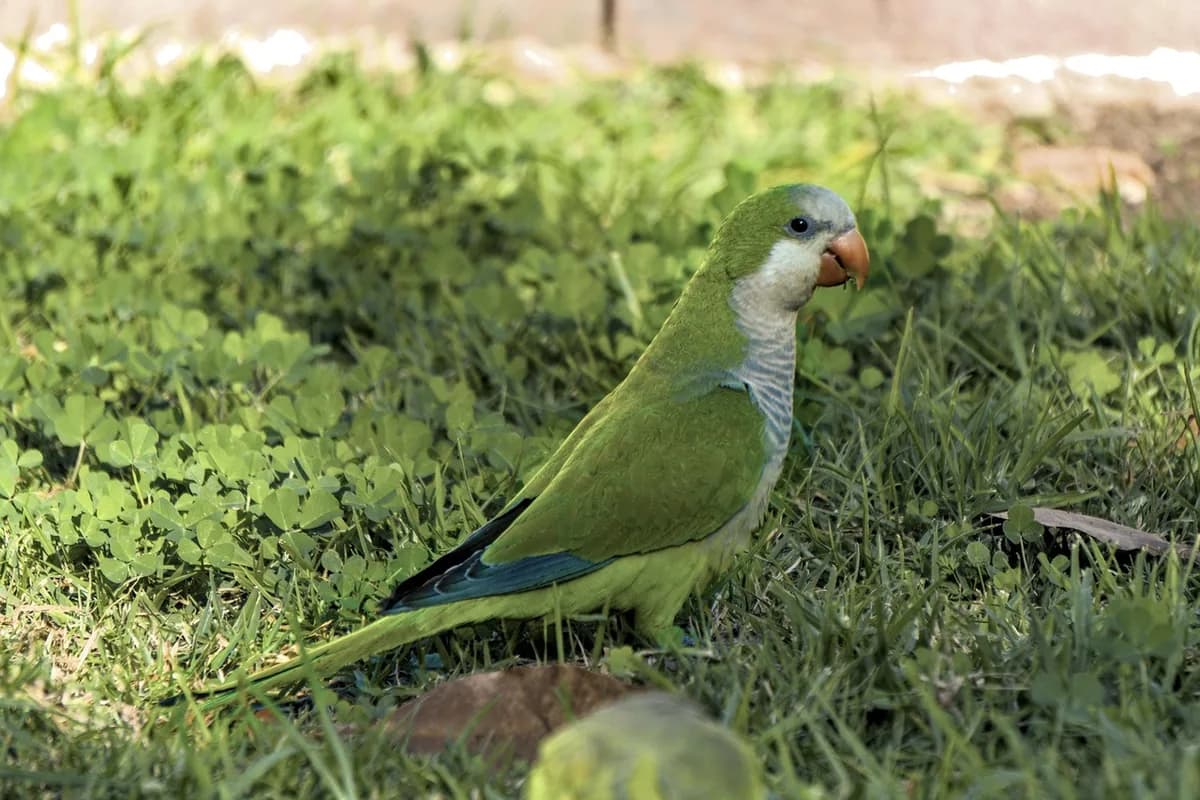
Quaker Parrots (Myiopsitta monachus) are hardy, long-lived little birds — 20-30 years is realistic with good care — but they carry a distinctive set of health risks that every owner should know by name. Because birds instinctively hide illness (a survival reflex from being prey animals), a quaker often looks fine until it is quite sick. Your defense is knowing what this species is prone to, watching closely, and having an avian veterinarian on speed dial before you need one. This guide stays in the medical lane.
The Foundation: Annual Wellness Exams
Every quaker should see a qualified avian veterinarian at least once a year, even when it seems perfectly healthy. A wellness exam establishes your bird's normal baseline — the single most valuable diagnostic tool you have. A typical visit includes:
- A full physical exam and an accurate weight in grams
- A discussion of diet and behavior
- Baseline bloodwork (avian veterinary consensus favors periodic screening as a bird ages, and quakers' liver risk makes this doubly worthwhile)
- Fecal testing and, where indicated, disease screening
Tip: In the Greater Toronto Area, search the Association of Avian Veterinarians directory or ask for a certified avian vet — a dog-and-cat clinic is not equipped to read a parrot's subtle signs. Find your vet before an emergency, not during one.
Conditions Quakers Are Genuinely Prone To
Fatty Liver Disease (Hepatic Lipidosis)
This is the characteristic quaker health problem. Quakers gain weight easily and, on seed-heavy, high-fat diets, deposit fat in the liver until it can no longer function. Watch for:
- An overgrown, flaky, or abnormally soft beak and overgrown nails
- Poor feather quality and black or bruised areas on feathers
- Lethargy, a swollen abdomen, or greasy droppings
- Sudden bleeding problems (the damaged liver stops making clotting factors)
Prevention is almost entirely dietary: a pellet-based diet (about 75-80% pellets, 20-25% vegetables and sprouts, seeds/nuts as roughly 5% treats), portion control, and daily exercise out of the cage. See our diet article for the full plan.
Obesity
Closely tied to the above. A quaker's healthy weight sits in the 90-130 g range; weigh weekly on a gram scale and act on an upward trend before it becomes fatty liver, joint strain, or lipomas (fatty tumors). More flight time and fewer nuts are the cure.
Feather-Destructive Behavior and "Quaker Mutilation Syndrome"
Quakers are prone to feather plucking, and to a distinctive and serious condition often called quaker mutilation syndrome, in which the bird chews not just feathers but the skin and muscle beneath — most often at the neck, chest, wings, or legs — sometimes causing dangerous open wounds seemingly overnight.
- This can be medical (skin infection, allergy, nutritional deficiency, liver disease, giardia) or behavioral (stress, boredom, poor sleep, hormonal frustration), and frequently both.
- Always rule out medical causes first with an avian vet — do not assume it is "just boredom."
- Support prevention with rich foraging enrichment, real daily interaction, 40-60% humidity, and 10-12 hours of dark, quiet sleep.
Warning: Active self-mutilation is an emergency. If your quaker is chewing into its own skin or bleeding, cover the area from further access if you safely can and get to an avian vet the same day — these wounds escalate fast.
Psittacine Beak and Feather Disease (PBFD)
A viral disease (circovirus) that quakers can carry and develop. It attacks feathers, beak, and the immune system, causing abnormal, clubbed, or lost feathers, beak deformity, and vulnerability to secondary infection. There is no cure, so prevention is everything: buy from reputable sources, quarantine any new bird for at least 30 days, and have new birds tested. A DNA blood test can confirm the diagnosis.
Respiratory Disease and Psittacosis
Like all parrots, quakers have delicate air-sac respiratory systems and are exquisitely sensitive to airborne toxins. Psittacosis (parrot fever), a Chlamydia psittaci bacterial infection, is contagious to humans and shows as ruffled feathers, lime-green droppings, nasal or eye discharge, and lethargy. Any respiratory signs warrant prompt veterinary care.
Warning: Fumes from overheated non-stick (PTFE/Teflon) cookware release a gas that can kill a bird within minutes. Never use non-stick pans, self-cleaning ovens, scented candles, air fresheners, or aerosols anywhere near your quaker.
General Signs of a Sick Bird
Because quakers mask illness, treat any of these as a reason to call your vet:
- Sitting fluffed on the cage floor
- Tail bobbing with each breath, or open-mouth/labored breathing
- Changes in droppings — color, consistency, or volume
- Reduced appetite or thirst, or a drop in weight
- Sleeping far more than usual, or both feet gripping the perch when normally one is tucked
- Discharge from eyes, nostrils, or mouth
When It Is an Emergency
Get to an avian vet or emergency clinic immediately if you see:
- Labored breathing or tail bobbing at rest
- Bleeding that does not quickly stop (including a broken blood feather)
- Active self-mutilation or an open wound
- Seizures, loss of balance, or collapse
- Sudden swelling anywhere on the body
- Complete refusal to eat for more than 12 hours — a bird this small can decline dangerously fast
Brief Home First Aid
Home care buys time to reach the vet; it does not replace one. Keep a small avian first-aid kit: styptic powder or cornstarch (for a bleeding nail or beak — never on skin or a blood feather, which needs veterinary attention), gauze, a towel for gentle restraint, and your vet's number. A sick or injured bird chills quickly, so keep it warm (around 29-32°C / 85-90°F) and quiet, offer familiar food and water, and transport it in a small covered carrier while you call ahead.
Preventive Care Checklist
- Annual avian-vet wellness exam (bloodwork for liver, especially past age 5)
- Pellet-based diet; weekly weight check on a gram scale (target 90-130 g)
- 10-12 hours of dark, quiet, uninterrupted sleep nightly
- Humidity kept at 40-60% (a humidifier helps in dry Toronto winters)
- No non-stick fumes, aerosols, scented candles, or smoke in the home
- Daily out-of-cage exercise and foraging enrichment
- 30-day quarantine and health testing for any new bird
- Weekly cage deep-clean; fresh food and water daily
Know your quaker's normal weight, appetite, droppings, and voice, and you will catch nearly every problem while it is still small enough to fix.
Explore related topics
Related Articles
Aspergillosis in Birds: The Invisible Fungal Killer
Aspergillosis is one of the most common and deadly avian diseases. It's caused by a fungus that's everywhere in our environment.
The Avian First Aid Kit: 25 Essential Supplies Every Bird Owner Needs
When an emergency happens, you need supplies ready NOW. Here's what every bird owner should have on hand.
Bird Insurance: Is It Worth It? A Complete Guide to Avian Pet Insurance
A single emergency vet visit can cost $2000+. Pet insurance for birds exists — here's whether it's worth the premium.