Proventricular Dilatation Disease (PDD): What Parrot Owners Must Know
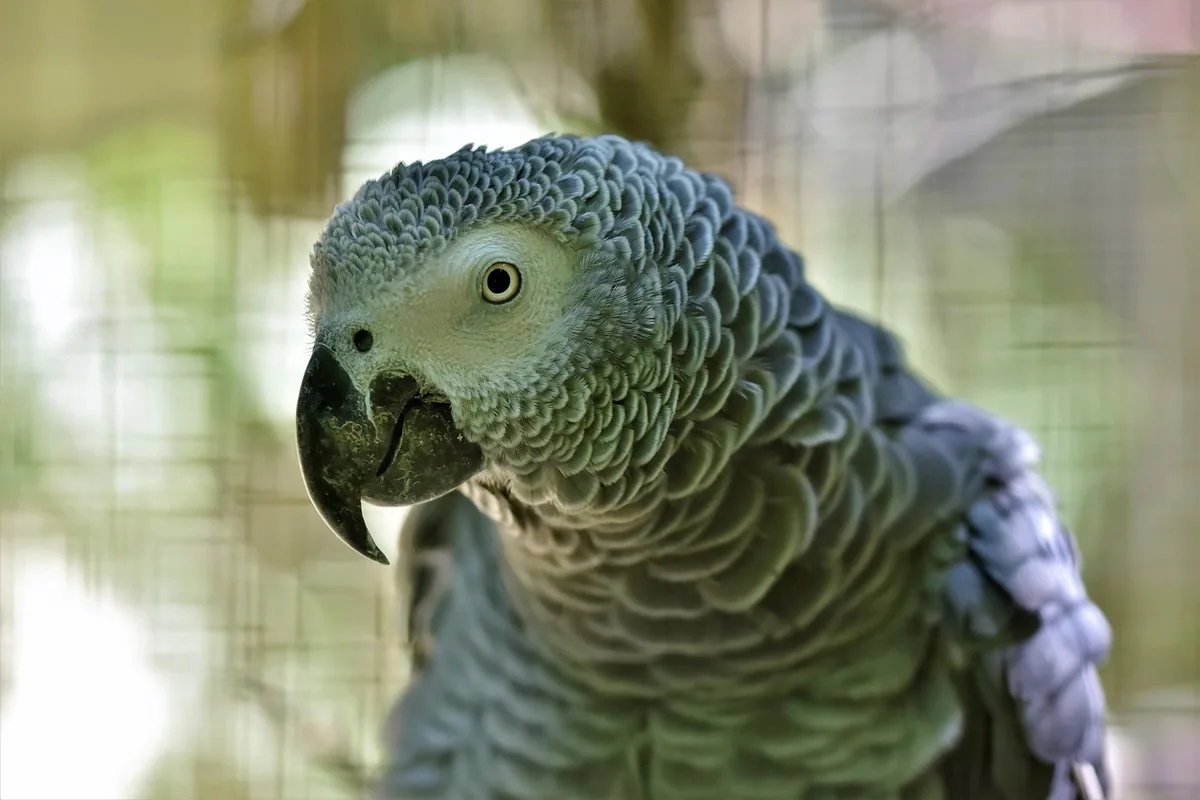
Understanding a Complex Avian Disease
If you've recently heard the term "Proventricular Dilatation Disease" or "PDD" from your avian vet, you're probably feeling overwhelmed and searching for answers. This neurological condition affects parrots worldwide, and while it's serious, understanding what you're dealing with is the first step in providing the best care for your feathered friend.
In our experience boarding over 1,000 birds at BST, we've cared for several PDD-positive parrots, and here's what we've learned: while there's no cure, many birds with PDD can still live fulfilling lives with proper management and care.
What Exactly Is PDD?
Proventricular Dilatation Disease is a viral infection caused by avian bornavirus (ABV). The disease primarily affects the nervous system, particularly the nerves that control the digestive tract. When these nerves become inflamed, they can't properly signal the muscles in your bird's crop and proventriculus (the first part of the stomach), leading to the characteristic symptoms we'll discuss.
The name "Proventricular Dilatation Disease" comes from how the proventriculus often becomes enlarged or dilated as the condition progresses. However, PDD affects much more than just the digestive system — it's truly a neurological disease that can impact various body functions.
The Role of Avian Bornavirus
Scientists have identified multiple strains of avian bornavirus, and different strains may cause varying severity of symptoms. The virus belongs to the same family as bornaviruses that affect mammals, but ABV is specifically adapted to birds. What makes this virus particularly challenging is that it can remain dormant in a bird's system for months or even years before symptoms appear.
How PDD Spreads
Understanding transmission is crucial, especially if you have multiple birds or are considering adding to your flock. ABV spreads through several routes:
Primary transmission methods:
- Fecal-oral route: The most common way, through contaminated food, water, or surfaces
- Feather dust and dander: Infected particles can become airborne
- Direct contact: Through mutual preening or sharing food
- Vertical transmission: From parent birds to their chicks (though this is less common)
Important: A bird can be infected with ABV and spread the virus even before showing any symptoms. This is why testing and quarantine protocols are so critical.
The virus can survive in the environment for extended periods, making thorough cleaning and disinfection essential when managing infected birds.
Species Most at Risk
While PDD can affect any parrot species, we see certain birds more commonly affected:
High-Risk Species:
- Macaws (especially Blue and Gold, Scarlet, and Green-winged)
- Cockatoos (Umbrella, Moluccan, and Sulfur-crested)
- African Grey Parrots
- Conures (Sun, Green-cheeked, and Nanday)
- Eclectus Parrots
Moderate Risk:
- Amazons
- Caiques
- Cockatiels (less common but possible)
Interestingly, some species like budgerigars and lovebirds seem to have lower infection rates, though they're not immune.
Recognizing the Symptoms
PDD symptoms can be subtle at first and often mimic other conditions, which is why diagnosis can be challenging. Here's what to watch for:
Digestive Symptoms:
- Undigested seeds in droppings: Often the first sign owners notice
- Weight loss despite normal or increased appetite: Your bird may eat enthusiastically but still lose weight
- Regurgitation: Different from normal feeding behavior — often projectile and containing undigested food
- Crop emptying issues: Food staying in the crop longer than normal
- Changes in droppings: Larger volume, different consistency, or unusual color
Neurological Symptoms:
- Loss of coordination: Difficulty perching or climbing
- Head tremors or seizures: Usually occur in later stages
- Weakness in legs or wings: May favor one side
- Behavioral changes: Depression, aggression, or confusion
- Difficulty swallowing: May be subtle initially
Warning: If you notice undigested seeds in your bird's droppings combined with weight loss, schedule an avian vet appointment immediately. Early intervention can make a significant difference.
Getting a Diagnosis
Diagnosing PDD requires specific testing, and it's important to work with an experienced avian veterinarian. Here are the main diagnostic approaches:
ABV Blood Test
The most common initial test looks for antibodies to avian bornavirus in your bird's blood. However, interpreting results requires expertise:
- Positive result: Indicates exposure to ABV, but doesn't necessarily mean active disease
- Negative result: Doesn't rule out infection, as some infected birds don't produce detectable antibodies
Crop Biopsy
This is considered the gold standard for PDD diagnosis. Your vet will take a small tissue sample from the crop to examine under a microscope, looking for characteristic inflammation patterns.
Additional Tests
- Complete blood count and chemistry panel: To assess overall health
- Radiographs (X-rays): May show proventricular dilation
- Crop emptying studies: To evaluate digestive function
Treatment Options: Managing, Not Curing
Here's the difficult truth: there's currently no cure for PDD. However, treatment can significantly improve your bird's quality of life and potentially slow disease progression.
Anti-Inflammatory Medications
The primary treatment involves non-steroidal anti-inflammatory drugs (NSAIDs), particularly:
- Celecoxib (Celebrex): Most commonly prescribed
- Meloxicam: Alternative option for some birds
These medications help reduce inflammation in the nervous system, potentially improving digestive function and overall comfort.
Supportive Care
- Dietary modifications: Easily digestible foods, smaller frequent meals
- Hand-feeding: May be necessary in advanced cases
- Environmental management: Reducing stress, maintaining consistent routines
- Regular monitoring: Frequent weight checks and vet visits
Experimental Treatments
Some avian vets are exploring antiviral medications, though results are still being studied. Always discuss any experimental treatments thoroughly with your veterinarian.
Prevention Strategies
While you can't prevent exposure entirely, these steps significantly reduce risk:
For New Birds:
- Pre-purchase testing: Request ABV testing before bringing any new bird home
- Quarantine period: Minimum 30-45 days in a separate room with separate air circulation
- Follow-up testing: Retest after quarantine period
For Existing Flocks:
- Annual testing: Especially important for high-risk species
- Strict hygiene: Regular cleaning and disinfection of cages, food bowls, and toys
- Separate food and water: Avoid communal feeding if you have multiple birds
Pro Tip: Even if you only have one bird, annual ABV testing can provide peace of mind and establish baseline health records.
Living with a PDD-Positive Bird
If your bird tests positive for ABV or is diagnosed with PDD, life isn't over. We've cared for several PDD-positive birds at BST who continue to enjoy good quality of life with proper management.
Daily Management:
- Consistent medication schedule: Never skip doses of prescribed NSAIDs
- Weight monitoring: Weekly weigh-ins help catch changes early
- Diet optimization: Work with your vet to find the most digestible foods
- Stress reduction: Maintain predictable routines and calm environments
Long-term Considerations:
- Regular vet visits: Every 3-4 months instead of annual check-ups
- Isolation from other birds: To prevent spreading the virus
- Quality of life assessments: Honest evaluation of your bird's comfort and happiness
When to Consider Euthanasia:
This is never an easy decision, but it's important to recognize when your bird's quality of life has significantly declined. Signs might include:
- Inability to eat or keep food down
- Severe neurological symptoms affecting basic functions
- Chronic pain that can't be managed
- Complete loss of interest in surroundings
Final Thoughts
PDD is undoubtedly a serious condition, but it's not an immediate death sentence. Many birds live for months or even years after diagnosis with good quality of life. The key is early detection, proper treatment, and realistic expectations about management.
If you're dealing with a PDD diagnosis, remember that you're not alone. Connect with other parrot owners who've faced this challenge, work closely with an experienced avian vet, and focus on making each day as comfortable and enriching as possible for your feathered companion.
The most important thing you can do right now is stay informed, follow your vet's treatment plan consistently, and cherish the time you have with your bird. While PDD changes the journey, it doesn't have to end it prematurely with proper care and dedication.
Explore related topics
Related Articles
Aspergillosis in Birds: The Invisible Fungal Killer
Aspergillosis is one of the most common and deadly avian diseases. It's caused by a fungus that's everywhere in our environment.
The Avian First Aid Kit: 25 Essential Supplies Every Bird Owner Needs
When an emergency happens, you need supplies ready NOW. Here's what every bird owner should have on hand.
Bird Insurance: Is It Worth It? A Complete Guide to Avian Pet Insurance
A single emergency vet visit can cost $2000+. Pet insurance for birds exists — here's whether it's worth the premium.