PBFD: Psittacine Beak and Feather Disease — What Every Owner Should Know
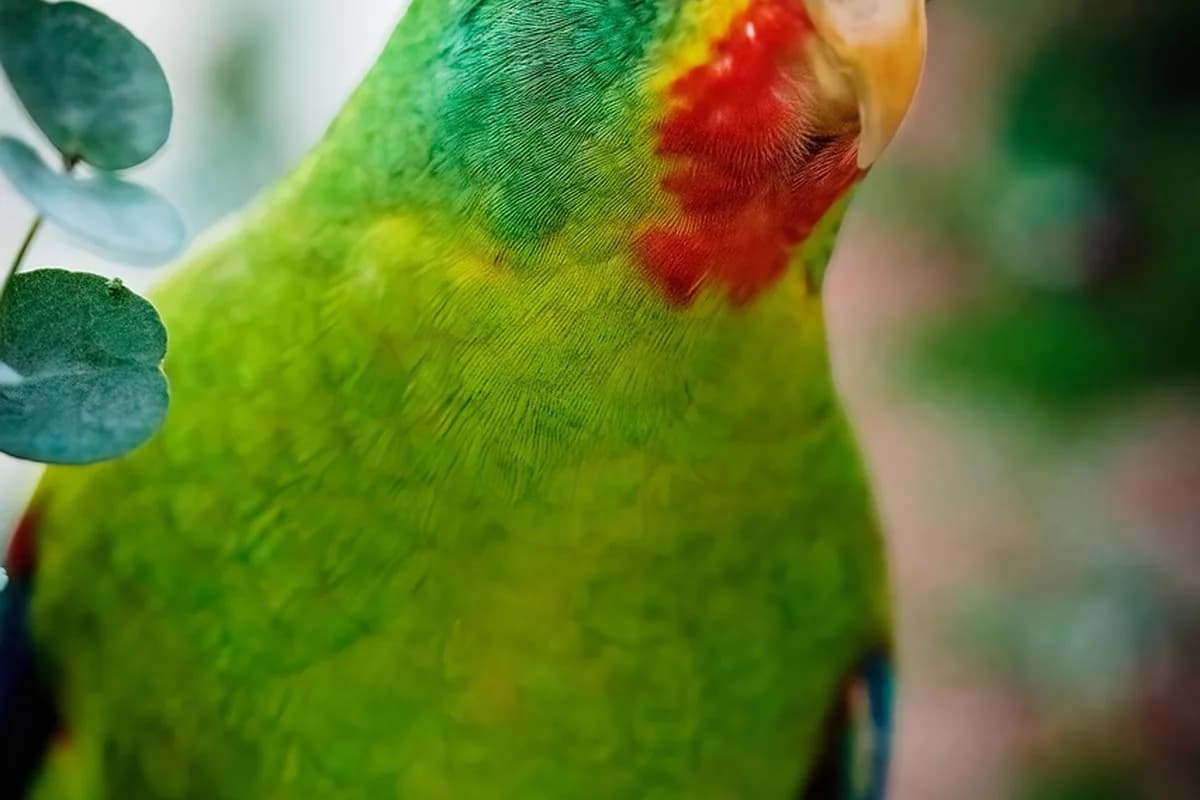
Understanding PBFD: A Disease Every Bird Owner Needs to Know About
If you've spent any time in bird communities, you've likely heard whispers about PBFD — Psittacine Beak and Feather Disease. It's one of those diagnoses that strikes fear into the hearts of bird owners, and honestly, for good reason. But here's the thing: knowledge is power, and understanding PBFD can help you protect your feathered family and make informed decisions about their care.
In our experience boarding over 1,000 birds at BST, we've encountered PBFD cases, and we know how devastating this diagnosis can feel. Let's walk through everything you need to know about this disease — from what it actually is to how you can protect your birds.
What Exactly is PBFD?
PBFD is caused by a circovirus — specifically, the beak and feather disease virus (BFDV). This tiny but mighty virus has a particular talent for targeting the cells that produce feathers and beak material, as well as compromising your bird's immune system. Think of it as a triple threat that attacks your bird's appearance, structural integrity, and ability to fight off other infections.
The virus is incredibly resilient. It can survive in the environment for months, even years, making it particularly challenging to eliminate once it's present. This durability is part of what makes PBFD such a persistent concern in the bird community.
Who's at Risk?
While PBFD can affect many parrot species, some are more susceptible than others:
- Highly susceptible: Cockatoos, African Greys, Eclectus parrots, Lovebirds
- Moderately susceptible: Cockatiels, Budgerigars, Lorikeets
- Lower risk: Macaws, Amazons, Conures (though not immune)
Young birds are particularly vulnerable, often showing more severe symptoms than adults who contract the disease later in life.
Recognizing the Signs: What PBFD Looks Like
The progression of PBFD can be heartbreakingly gradual or alarmingly rapid. Here's what to watch for:
Feather-Related Symptoms
- Progressive feather loss: Starting with powder down feathers, then moving to contour feathers
- Abnormal feather development: New feathers may be malformed, brittle, or fail to develop properly
- Color changes: Feathers may lose their normal pigmentation
- Retained feather sheaths: The protective casings around new feathers don't shed normally
- Stress bars: Horizontal lines across feathers indicating metabolic stress
Beak and Claw Changes
- Beak deformities: Overgrowth, fractures, or abnormal shapes
- Beak necrosis: Tissue death in severe cases
- Claw abnormalities: Similar overgrowth or deformity patterns
Immune System Compromise
Perhaps the most dangerous aspect of PBFD is how it weakens your bird's immune system, making them vulnerable to secondary infections:
- Frequent respiratory infections
- Persistent bacterial or fungal infections
- Slow healing from minor injuries
- General lethargy and weakness
Important: Early stages of PBFD can be subtle. Some birds may show only minor feather abnormalities for months before more severe symptoms develop.
How PBFD Spreads: Understanding Transmission
The virus spreads through several routes, which is why prevention can be challenging:
Primary Transmission Methods
- Feather dust and dander: The most common route — infected particles become airborne
- Direct contact: Bird-to-bird contact during social interactions
- Fecal-oral transmission: Through contaminated food, water, or surfaces
- Vertical transmission: From parent birds to their offspring
- Contaminated environment: The virus persists on perches, toys, and cage surfaces
High-Risk Situations
- Multi-bird households without proper quarantine
- Bird shows and exhibitions
- Boarding facilities with inadequate protocols
- Rescue situations with unknown health histories
- Breeding operations without comprehensive testing
Pro Tip: At BST, we require PBFD testing for all long-term boarders precisely because of how easily this virus can spread in multi-bird environments.
Testing: Getting Definitive Answers
The gold standard for PBFD diagnosis is PCR (Polymerase Chain Reaction) testing, which detects the virus's genetic material in your bird's blood.
What to Expect from Testing
- Sample collection: A small blood sample, typically from the jugular vein
- Turnaround time: Usually 3-7 days for results
- Accuracy: Very high when performed correctly
- Cost: Generally $50-150 depending on your location and veterinarian
Interpreting Results
- Positive: Your bird has been exposed to the virus
- Negative: No virus detected (though early infections might not show up)
- Inconclusive: May require retesting in 4-6 weeks
Warning: A single negative test doesn't guarantee your bird is free from PBFD, especially if exposure was recent. Your avian vet may recommend follow-up testing.
Treatment Options: Managing PBFD
Here's the difficult truth: there's no cure for PBFD. However, that doesn't mean there's nothing you can do. Treatment focuses on supportive care and managing secondary complications.
Supportive Care Strategies
Nutritional support:
- High-quality, easily digestible diet
- Vitamin and mineral supplementation as recommended by your vet
- Probiotics to support gut health
Environmental management:
- Maintain optimal temperature and humidity
- Reduce stress through consistent routines
- Provide soft, safe surfaces to prevent injury
Medical monitoring:
- Regular veterinary checkups
- Prompt treatment of secondary infections
- Pain management when necessary
Quality of Life Considerations
Some birds with PBFD can live relatively normal lives for months or even years with proper care. Others may experience rapid decline. Working closely with an experienced avian veterinarian is crucial for making quality-of-life decisions.
Prevention: Your Best Defense
Since there's no cure, prevention becomes absolutely critical. Here's how to protect your birds:
Before Adding New Birds
- Mandatory testing: Test any new bird before introduction
- Quarantine period: Maintain separation for at least 30-45 days
- Veterinary examination: Complete health check by an avian vet
- Retest if necessary: Follow your vet's recommendations for additional testing
Ongoing Prevention
- Regular testing: Annual or bi-annual testing for multi-bird households
- Hygiene protocols: Regular cleaning and disinfection
- Visitor management: Limit exposure to unknown birds
- Stress reduction: Maintain stable, low-stress environments
Pro Tip: We always recommend discussing PBFD testing with your avian vet, even for single birds. It provides valuable baseline information about your bird's health status.
The Emotional Journey: Coping with a PBFD Diagnosis
Receiving a positive PBFD diagnosis can feel overwhelming. We've supported many families through this journey, and your feelings — whether they're fear, guilt, or grief — are completely valid.
Moving Forward
- Connect with your avian vet: Develop a comprehensive care plan
- Join support groups: Online communities can provide valuable emotional support
- Focus on quality time: Make the most of the good days
- Consider other birds: Discuss the implications for any other birds in your household
Making Difficult Decisions
Sometimes, the kindest choice is letting go when quality of life deteriorates significantly. This decision is deeply personal and should be made in consultation with your veterinarian and based on your bird's individual situation.
Final Thoughts
PBFD is undoubtedly a serious disease, but it's not an automatic death sentence. With proper management, many birds can maintain a good quality of life for extended periods. The key is early detection, appropriate veterinary care, and a commitment to preventing spread to other birds.
Remember, you're not alone in this journey. Your avian veterinarian, the bird community, and experienced boarding facilities like BST are here to support you and your feathered family through whatever challenges come your way. Knowledge, preparation, and compassionate care make all the difference in managing PBFD effectively.
Explore related topics
Related Articles
Aspergillosis in Birds: The Invisible Fungal Killer
Aspergillosis is one of the most common and deadly avian diseases. It's caused by a fungus that's everywhere in our environment.
The Avian First Aid Kit: 25 Essential Supplies Every Bird Owner Needs
When an emergency happens, you need supplies ready NOW. Here's what every bird owner should have on hand.
Bird Insurance: Is It Worth It? A Complete Guide to Avian Pet Insurance
A single emergency vet visit can cost $2000+. Pet insurance for birds exists — here's whether it's worth the premium.