Parrots for Seniors: Best Companion Birds for Older Adults
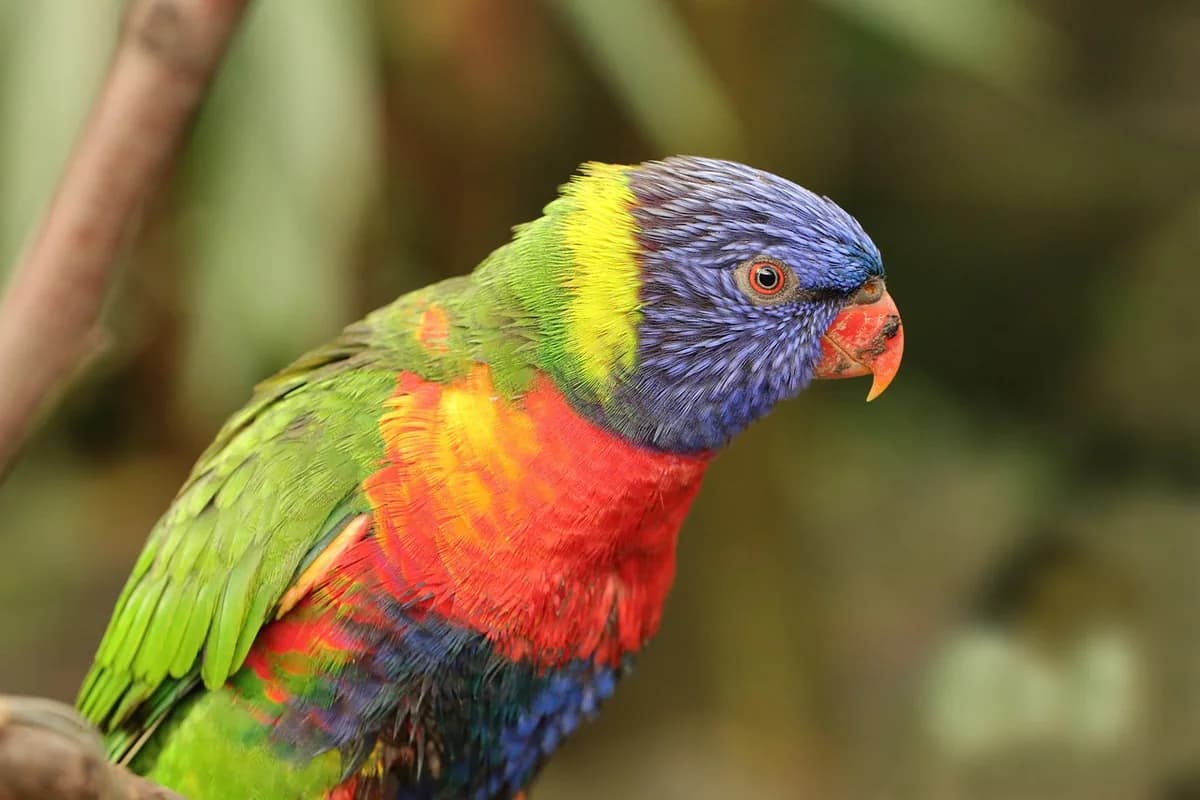
Finding Your Perfect Feathered Companion in Your Golden Years
Retirement brings many wonderful opportunities — and for many seniors, welcoming a bird companion into their lives can be one of the most rewarding. The gentle chirping at sunrise, the daily routine of care, and the pure joy of having a feathered friend can bring immense happiness to your golden years.
But here's the thing: not all birds are suited for every stage of life. At Bird Sitting Toronto, we've cared for birds belonging to seniors for over a decade, and we've learned what works beautifully — and what can become overwhelming. The key is choosing a companion that matches your energy level, living situation, and long-term plans.
What to Consider Before Choosing Your Bird
Your Noise Tolerance and Living Situation
Let's be honest about noise levels. While that boisterous macaw might seem appealing, their morning calls can reach 100 decibels — louder than a motorcycle. If you live in an apartment or have close neighbors, this could create problems you don't need.
Consider your own comfort too. Some seniors find they've become more sensitive to loud or sudden noises over the years, and that's perfectly normal. The good news is that many wonderful bird species are naturally quieter and make gentle, pleasant sounds rather than ear-splitting calls.
Physical Handling Requirements
Your bird companion should be manageable for your current physical abilities. Some larger parrots require significant strength to handle safely — a 3-pound macaw with a powerful beak and strong wings can be challenging even for younger adults.
Think about:
- Can you comfortably lift and move the cage for cleaning?
- Are you able to handle the bird safely if needed?
- Can you manage the daily maintenance tasks without strain?
The Lifespan Conversation
This is perhaps the most important consideration, and we need to address it with honesty and care. Many parrot species live 20-80 years, which means your feathered friend might outlive you. This isn't meant to discourage you — it's meant to help you plan responsibly for your bird's entire lifetime.
Important: Before bringing any bird home, create a care plan that includes trusted family members or friends who could provide a loving home if needed. Many bird rescues also offer "sanctuary programs" for this exact situation.
Maintenance and Care Requirements
Some birds are wonderfully low-maintenance, while others require extensive daily interaction, specialized diets, or complex environmental needs. In our experience boarding birds from senior owners, the happiest relationships happen when the care routine feels manageable and enjoyable rather than burdensome.
Best Bird Companions for Seniors
Cockatiels: The Perfect Balance
Cockatiels consistently rank as our top recommendation for senior bird owners, and for good reason. These charming Australian natives offer the perfect balance of personality and manageability.
Why cockatiels work so well:
- Gentle, rarely aggressive nature
- Moderate noise level with pleasant whistling
- Easy to handle at 3-4 ounces
- 15-20 year lifespan (more manageable than larger parrots)
- Happy with 2-3 hours of interaction daily
- Excellent at learning simple tunes and phrases
We see many senior-cockatiel pairs at BST, and the bonds are truly heartwarming. These birds provide companionship without being overwhelming.
Budgerigars (Budgies): Small but Mighty Personalities
Don't let their size fool you — budgies pack enormous personality into their tiny 1-ounce bodies. They're incredibly social, intelligent, and can learn impressive vocabularies.
Budgie benefits:
- Very affordable to purchase and maintain
- Quiet enough for apartments
- Can be kept in pairs for companionship
- 5-10 year lifespan
- Minimal physical demands for handling
- Endlessly entertaining to watch
Pro Tip: Consider getting two budgies if you're less mobile. They'll keep each other company and provide twice the entertainment value.
Canaries: The Musicians
If you love beautiful song but prefer a bird that doesn't require handling, canaries are perfect. These delightful birds are content to live in their cage and serenade you with lovely melodies.
Canary advantages:
- No handling required
- Beautiful, soothing songs
- Low maintenance care
- 10-15 year lifespan
- Perfect for seniors with limited mobility
- Bright, cheerful colors
Finches: Peaceful and Social
Society finches, zebra finches, and Gouldian finches are wonderful for seniors who enjoy watching bird behavior but don't want the demands of a hands-on pet.
Why finches work well:
- Must be kept in pairs or groups (built-in companionship)
- Soft, pleasant chirping
- No handling necessary
- Very low maintenance
- 5-8 year lifespan
- Fascinating social behaviors to observe
Pionus Parrots: The Gentle Giants
For seniors who want a larger parrot experience without the challenges, Pionus parrots are remarkable. We board several belonging to older adults, and they're consistently calm and manageable.
Pionus benefits:
- Naturally quiet and gentle
- 25-30 year lifespan (longer than smaller birds but manageable)
- Rarely bite or show aggression
- Beautiful, subtle coloring
- Content with moderate interaction
- Sturdy build but not overwhelming to handle
Species to Approach with Caution
Macaws: Beautiful but Demanding
While macaws are stunning and intelligent, they present significant challenges for most seniors. These magnificent birds require enormous amounts of interaction, have incredibly powerful beaks, and can live 80+ years.
Macaw challenges:
- Extremely loud vocalizations
- Require 4-6 hours of interaction daily
- Powerful enough to cause injury
- Need very large, heavy cages
- Extremely long lifespans
Cockatoos: Emotional and Needy
Cockatoos are often called the "toddlers of the bird world" for good reason. They're incredibly affectionate but can become destructive and loud when their extensive emotional needs aren't met.
Cockatoo concerns:
- Prone to screaming and attention-seeking behaviors
- Can develop feather-plucking from stress
- Require constant interaction and stimulation
- Very long lifespans (60+ years)
- Can become aggressive if not properly socialized
Amazon Parrots: Potentially Aggressive
While some Amazon parrots make wonderful companions, they can be unpredictable, especially during breeding season. Their strong personalities require experienced handling.
The Joy Birds Bring to Senior Lives
Companionship and Emotional Benefits
In our experience, birds provide unique emotional support for seniors. Unlike dogs or cats, birds are awake and active during the day when seniors are most likely to feel lonely. The gentle sounds of chirping, whistling, and even talking create a lively, warm atmosphere in the home.
Many of our senior clients tell us their birds give them a reason to get up in the morning. There's something special about being needed and having a little life depend on your care.
Routine and Purpose
Birds thrive on routine, and this can be wonderfully beneficial for seniors. The daily tasks of feeding, cage maintenance, and interaction provide structure and purpose to each day. It's gentle exercise and mental stimulation wrapped up in the joy of pet ownership.
Mental Stimulation
Teaching a bird to talk, whistle tunes, or perform simple tricks provides excellent cognitive exercise. The problem-solving involved in understanding your bird's needs and preferences keeps your mind sharp and engaged.
Planning for Your Bird's Future
This conversation isn't easy, but it's one of the most loving things you can do for your feathered companion. Here's how to plan responsibly:
Create a Bird Care Plan
- Identify potential caretakers among family and friends
- Introduce your bird to these people while you're healthy
- Write detailed care instructions including diet, routine, and personality quirks
- Consider setting aside funds for your bird's continued care
Legal Considerations
- Include your bird in your will with specific caretaker instructions
- Consider a pet trust if your bird has significant value or special needs
- Contact local bird rescues about their sanctuary programs
Prepare Your Bird
- Ensure your bird is well-socialized with multiple people
- Keep detailed health and behavioral records
- Maintain relationships with your avian veterinarian
Important: Many bird rescues have "foster-to-adopt" programs specifically for seniors. This can be a wonderful way to provide a loving home while ensuring the bird has backup support.
Final Thoughts
Welcoming a bird into your life during your senior years can bring immense joy, companionship, and purpose. The key is choosing wisely — selecting a species that matches your lifestyle, energy level, and long-term situation.
Remember, the best bird companion is one whose needs you can meet happily and consistently. Whether that's a cheerful budgie, a melodious canary, or a gentle cockatiel, the right match will enrich both your lives immeasurably.
At Bird Sitting Toronto, we've witnessed countless beautiful relationships between seniors and their feathered friends. With thoughtful planning and the right species choice, your golden years can be filled with the special magic that only a bird companion can bring.
Explore related topics
Related Articles
Best Talking Parrot Species Ranked: From Chatterbox to Silent Type
Which parrots actually talk? Here's an honest ranking with realistic expectations for each species.
Bourke's Parakeet: The Complete Care Guide for This Gentle Species
Bourke's parakeets are the calmest, quietest parrots you'll ever meet. Perfect for beginners and apartments.
Lineolated Parakeet: The Complete Care Guide for Linnies
Lineolated parakeets (linnies) are quirky, quiet, and surprisingly cuddly. Here's everything you need to know.