Common Parrotlet Health Issues and How to Prevent Them
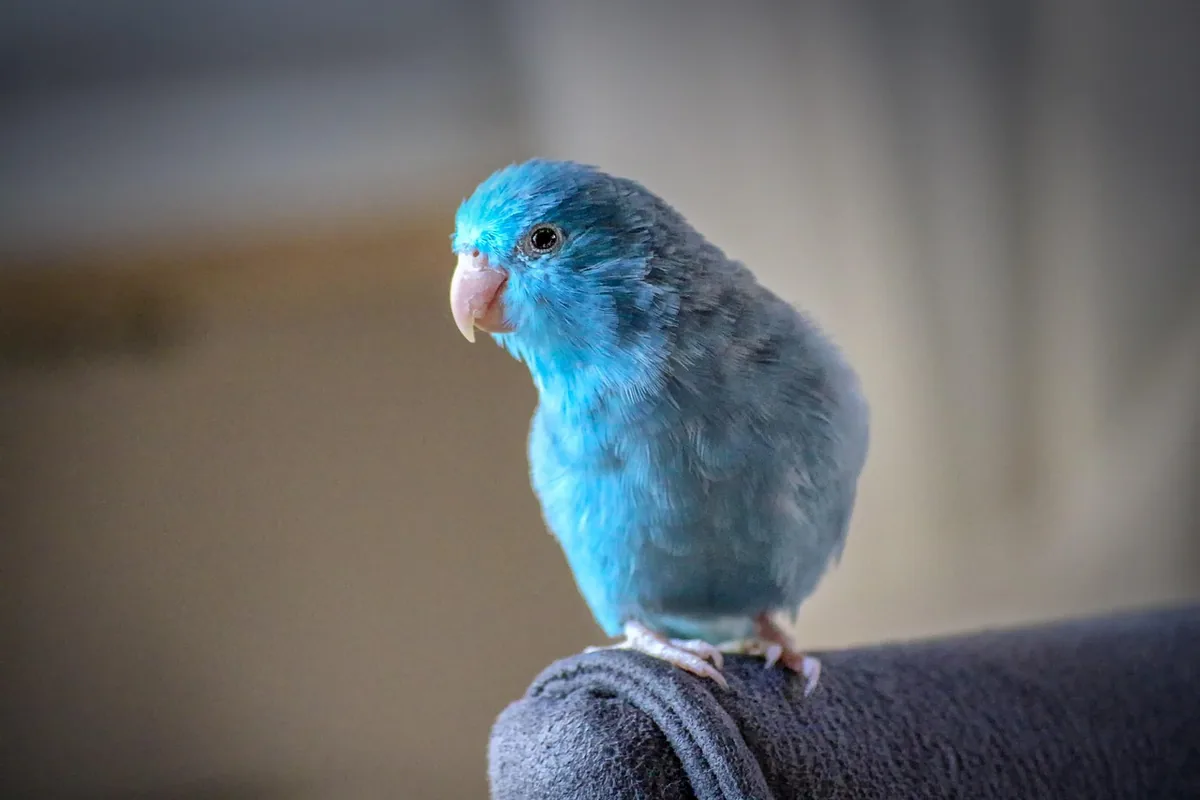
A parrotlet can share your life for 15-20 years, but only if the health problems it is genuinely prone to are caught early. At 28-35 grams, a parrotlet has almost no reserve — a bird that stops eating in the morning can be critically ill by evening. That narrow margin makes vigilance and a relationship with a qualified avian veterinarian more important, not less, than they are for a larger bird. This guide covers the conditions this species actually faces, the general signs of illness, and when a symptom becomes an emergency.
The Conditions Parrotlets Are Prone To
Obesity and Fatty Liver Disease
This is the parrotlet's signature health problem. These little birds are unusually prone to obesity and to hepatic lipidosis (fatty liver disease), driven by seed-heavy diets, too little flight, and their naturally efficient metabolism. Fat accumulates in and around the liver, and once liver function is compromised the bird can decline quickly.
Warning signs include a visibly rounded or bulging chest and belly, a "keel" bone that is hard to feel under fat, poor feather quality, an overgrown or flaky beak and nails (a classic sign of liver disease), and reduced stamina. Prevention is dietary and lifestyle-based: a pellet-based, vegetable-forward diet with seeds as an occasional treat only, generous out-of-cage flight time, foraging instead of open-dish feeding, and — critically — a weekly weigh-in on a gram scale to catch creeping weight gain before it becomes disease.
Tip: A gram scale is the best health tool a parrotlet owner can own. Weigh your bird at the same time each week, ideally in the morning before its first big meal. A steady climb in weight, or a sudden drop of even 2-3 grams, is often the earliest sign that something is wrong — long before the bird looks sick.
Respiratory Disease
Birds have an exquisitely efficient respiratory system with air sacs extending through the body, and in a parrotlet that system is tiny. Airborne toxins and infections that a person would shrug off can be rapidly fatal. Watch for tail-bobbing with each breath, open-mouth or labored breathing, wheezing or clicking sounds, nasal discharge, sneezing, or a change in voice.
Prevention is largely about air quality: never use non-stick (PTFE/Teflon) cookware, self-cleaning oven cycles, scented candles, incense, air fresheners, or aerosol sprays anywhere the bird can breathe the fumes; keep the bird away from cigarette smoke; and maintain good ventilation. In Toronto's dry winter heating season, indoor humidity can drop uncomfortably low — a humidifier keeping the room around 40-60% helps airways stay healthy.
Psittacine Beak and Feather Disease (PBFD)
PBFD is a viral disease (circovirus) that attacks the feathers, beak, and immune system, and parrotlets can be affected. Signs include abnormal, deformed, or lost feathers that do not grow back correctly, beak abnormalities, and increased vulnerability to secondary infections because the immune system is suppressed. There is no cure, so prevention matters: buy from a reputable, health-focused source, and quarantine any new bird away from existing birds for at least 30-45 days with a veterinary check before introduction. Your avian vet can test for the virus.
Egg-Binding in Hens
Female parrotlets can lay eggs even without a mate, and a small hen is at genuine risk of egg-binding — an egg stuck in the reproductive tract. This is a life-threatening emergency. Contributing factors include calcium deficiency, obesity, and chronic hormonal egg-laying that depletes the hen's reserves. A bound hen may sit fluffed on the cage floor, strain, appear weak, and stop passing droppings. Prevent it by supporting calcium (cuttlebone, mineral block, calcium-rich greens, adequate light), keeping the bird lean, and discouraging chronic laying through 10-12 hour nights and removal of nest-like cavities.
Warning: A hen straining, sitting on the cage floor, or unable to pass droppings may be egg-bound. This is a true emergency — get her to an avian vet immediately. Keeping her warm during transport can help, but do not delay for home remedies.
Psittacosis (Parrot Fever)
Psittacosis is a bacterial infection (Chlamydia psittaci) that can spread to other birds and to people. Signs include lethargy, ruffled feathers, green or yellow droppings, nasal and eye discharge, and loss of appetite. It is treatable when diagnosed, so regular vet checks, a clean environment, and quarantine of new birds are the key defenses.
General Signs of a Sick Bird
Birds instinctively hide illness — in the wild, looking sick invites predators — so by the time symptoms are obvious, a parrotlet may be quite unwell. Learn your bird's normal, and treat any of these as a reason to call your vet:
- Sitting fluffed up for long stretches, or resting on the cage floor
- Lethargy, or sleeping much more than usual
- Loss of appetite or reduced droppings
- Changes in droppings — color, consistency, or number
- Tail-bobbing, labored or open-mouth breathing
- Discharge from nostrils or eyes
- A drop in body weight on the weekly weigh-in
Wellness Exams and Preventive Care
Every parrotlet should see an avian veterinarian at least once a year for a wellness exam, even when it seems perfectly healthy — this is where an experienced vet catches early liver disease, weight problems, and subtle changes. A typical visit includes a physical exam, weight check, and often fecal testing; bloodwork is commonly recommended for older birds to monitor organ function, including that at-risk liver. If you do not yet have an avian vet, line one up before you need one — a bird in crisis is not the time to start searching, and not every clinic treats birds.
- Annual avian-vet wellness exam (bloodwork for older birds)
- Fresh food and water daily
- Weekly cage deep-clean and daily spot-cleaning
- Weekly weigh-in on a gram scale
- Access to full-spectrum or natural light
- 10-12 hours of dark, quiet sleep nightly
- Room humidity around 40-60%
- A bird-safe, fume-free kitchen and home
A Note on Home First Aid
Home first aid for a parrotlet is limited by design — the right move is almost always to get to an avian vet fast. What you can do while arranging that: keep the bird warm and calm (a quiet, dimly lit carrier around 29-32 C / 85-90 F helps a sick bird conserve energy), stop any active bleeding with gentle pressure (styptic powder or cornstarch for a bleeding nail, never on skin wounds), and do not attempt to force-feed or medicate a struggling bird. Keep your avian vet's number and the nearest after-hours avian-capable emergency clinic saved before an emergency happens. At this body size, hours matter — when in doubt, call.
Explore related topics
Related Articles
Aspergillosis in Birds: The Invisible Fungal Killer
Aspergillosis is one of the most common and deadly avian diseases. It's caused by a fungus that's everywhere in our environment.
The Avian First Aid Kit: 25 Essential Supplies Every Bird Owner Needs
When an emergency happens, you need supplies ready NOW. Here's what every bird owner should have on hand.
Bird Insurance: Is It Worth It? A Complete Guide to Avian Pet Insurance
A single emergency vet visit can cost $2000+. Pet insurance for birds exists — here's whether it's worth the premium.