15 Parrot Care Myths Debunked: What Science Actually Says
Separating Fact from Fiction in Parrot Care
When you first bring a parrot into your life, you're bombarded with advice from well-meaning friends, online forums, and even some outdated care guides. Unfortunately, many common beliefs about parrot care are based on myths that have persisted for decades, sometimes causing more harm than good.
At Bird Sitting Toronto, we've encountered countless birds whose previous care was influenced by these misconceptions. The good news? Modern avian science has given us clear answers about what parrots truly need to thrive. Let's examine 15 persistent myths and replace them with evidence-based facts that will help you provide the best possible care for your feathered companion.
Myth 1: Birds Need Grit for Digestion
The Myth: Parrots require grit or small stones in their diet to help grind food in their gizzards.
Why People Believe It: This belief stems from knowledge about wild birds like chickens and pigeons, which do use grit to process whole seeds and grains.
The Truth: Parrots hull their seeds before eating them, removing the tough outer shell. Their gizzards are perfectly capable of processing the soft inner seed without any assistance. Providing grit can actually cause crop impaction, a serious and potentially fatal condition.
Source: Journal of Avian Medicine and Surgery research consistently shows that psittacines (parrots) do not require supplemental grit, and it poses health risks.
Myth 2: Sandpaper Perches Keep Nails Trimmed
The Myth: Sandpaper-covered perches naturally file down your bird's nails, eliminating the need for regular nail trims.
Why People Believe It: The logic seems sound—constant contact with an abrasive surface should wear down nails.
The Truth: Sandpaper perches cause painful sores and ulcers on your bird's feet. They don't effectively trim nails and can lead to serious foot problems including bumblefoot (pododermatitis). Birds need varied perch textures and diameters for foot health.
Source: Association of Avian Veterinarians guidelines explicitly warn against sandpaper perches due to their potential for causing foot injuries.
Tip: Use natural wood branches of varying diameters instead. Apple, willow, and birch are excellent choices that provide natural texture variation.
Myth 3: Seeds Provide Complete Nutrition
The Myth: A high-quality seed mix contains everything your parrot needs nutritionally.
Why People Believe It: Seeds are what wild birds eat, and many commercial seed mixes are labeled as "complete" diets.
The Truth: Seeds are essentially bird junk food—high in fat and lacking essential vitamins, minerals, and amino acids. A seed-only diet leads to malnutrition, liver disease, and shortened lifespan. Pellets should form 75-80% of your bird's diet, with fresh fruits and vegetables making up the remainder.
Source: Multiple studies published in the Journal of Avian Medicine show that pelleted diets significantly improve parrot health outcomes compared to seed-based diets.
Myth 4: Birds Are Low-Maintenance Pets
The Myth: Parrots are easy pets that just need food, water, and an occasional cage cleaning.
Why People Believe It: Unlike dogs, birds don't need walks or litter box changes, creating the impression they're low-maintenance.
The Truth: Parrots require several hours of daily interaction, mental stimulation, specialized veterinary care, and complex environmental needs. They're among the most demanding pets you can own, requiring as much attention as a toddler throughout their 20-80 year lifespans.
Source: Applied Animal Behaviour Science research demonstrates that under-stimulated parrots develop serious behavioral and psychological problems.
Myth 5: Covering the Cage at Night Is Required
The Myth: You must cover your bird's cage every night to ensure proper sleep.
Why People Believe It: The practice mimics natural darkness and seems to help some birds settle down for the night.
The Truth: While covering can be beneficial for some birds, it's not universally necessary. What matters most is providing 10-12 hours of uninterrupted quiet time. Some birds prefer partial covering, others none at all. Observe your bird's behavior to determine what works best.
Source: Avian welfare studies show that consistent sleep schedules matter more than covering, though covers can help in bright or noisy environments.
Myth 6: Birds Shouldn't Eat "People Food"
The Myth: Human food is dangerous for birds and should never be offered.
Why People Believe It: Concerns about toxicity and the desire to stick to "bird-specific" diets drive this belief.
The Truth: Many human foods are not only safe but essential for parrot health. Fresh fruits, vegetables, whole grains, and legumes should comprise 20-25% of your bird's diet. The key is knowing which foods are safe and which are toxic.
Source: Veterinary research supports diverse diets that include many human foods, while identifying specific toxins like avocado, chocolate, and caffeine.
Safe Human Foods for Parrots:
- Leafy greens (kale, spinach, chard)
- Orange vegetables (carrots, sweet potato, squash)
- Berries and most fruits (except avocado)
- Whole grains (quinoa, brown rice, oats)
- Legumes (beans, lentils, chickpeas)
Myth 7: A Talking Bird Is a Happy Bird
The Myth: If your parrot talks frequently, it's a sign of contentment and good health.
Why People Believe It: Talking seems like positive engagement and communication.
The Truth: Vocalization patterns vary enormously between species and individuals. Some perfectly happy birds rarely talk, while others may vocalize excessively due to stress, boredom, or attention-seeking. Body language, appetite, and overall behavior are better indicators of wellbeing than talking frequency.
Source: Animal cognition research shows that parrot vocalizations serve many purposes beyond expressing happiness, including territory marking and flock communication.
Myth 8: Wing Clipping Is Cruel
The Myth: Clipping flight feathers is inhumane and psychologically damaging to birds.
Why People Believe It: The idea of removing a bird's natural ability to fly seems inherently wrong.
The Truth: When done properly by professionals, wing clipping can be a safety tool that prevents injuries, escapes, and household accidents. The decision should be based on your individual bird's personality, your home environment, and safety considerations. Neither full flight nor clipping is universally right or wrong.
Source: Avian veterinary consensus supports wing clipping as a management tool when performed correctly, though opinions vary on its necessity.
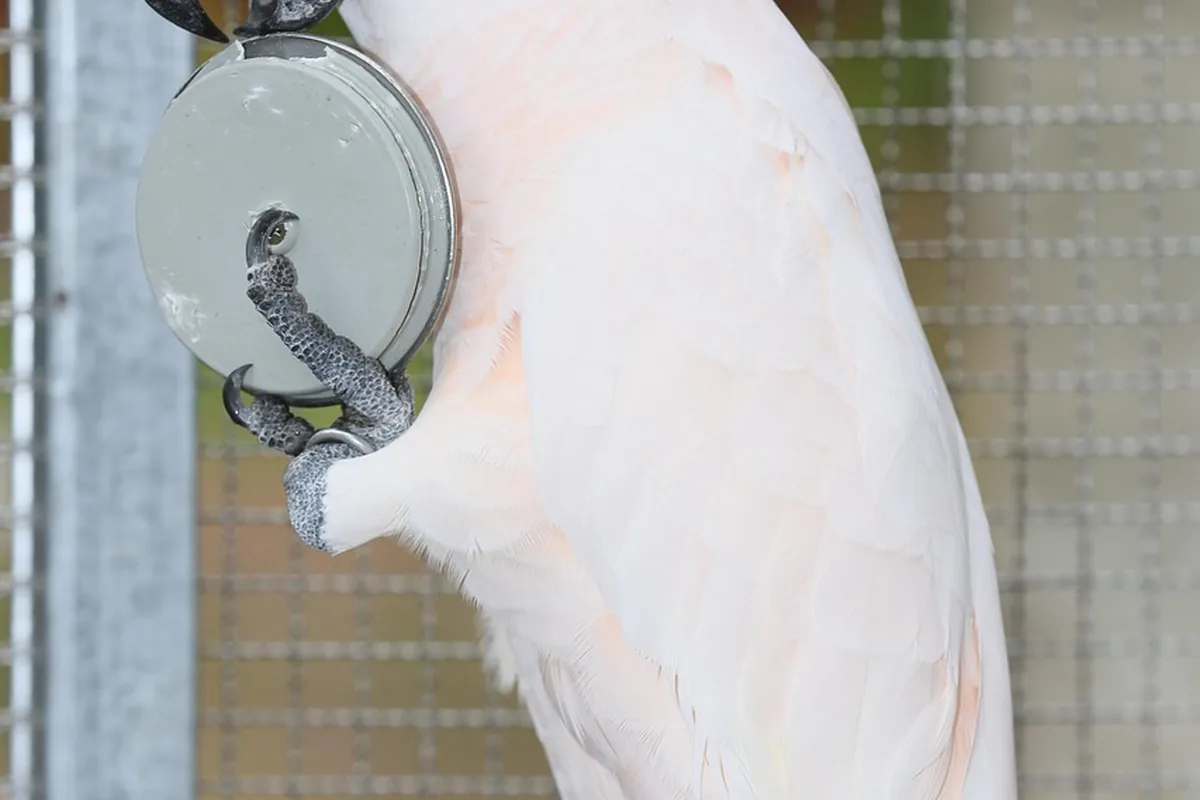
Myth 9: Mirrors Make Good Companions
The Myth: Mirrors provide social interaction and entertainment for single birds.
Why People Believe It: Birds seem to enjoy interacting with their reflection, appearing less lonely.
The Truth: Mirrors can cause serious behavioral problems including obsessive behaviors, aggression, and sexual frustration. Your bird may become bonded to its reflection, leading to neglect of human relationships and potential self-harm through excessive interaction with the mirror.
Source: Applied Animal Behaviour Science studies document numerous cases of mirror-induced behavioral problems in captive parrots.
Warning: If your bird is already mirror-obsessed, remove it gradually and increase social interaction to prevent withdrawal behaviors.
Myth 10: Birds Don't Need Regular Veterinary Care
The Myth: Healthy birds only need vet visits when they're obviously sick.
Why People Believe It: Birds hide illness well, so they often appear healthy until severely ill.
The Truth: This myth exists because birds are prey animals that instinctively hide weakness. By the time symptoms are visible, illness is often advanced. Annual wellness exams with avian veterinarians can catch problems early and establish baseline health parameters.
Source: Veterinary medicine research consistently shows that preventive care significantly improves outcomes and lifespan in captive parrots.
Myth 11: Parrots Only Bond with One Person
The Myth: Once a parrot chooses a favorite person, it will reject all others.
Why People Believe It: Many parrots do show strong preferences for one family member.
The Truth: While parrots may have preferences, proper socialization can help them maintain positive relationships with multiple people. Early and ongoing socialization with various family members prevents over-bonding and reduces behavioral problems when the preferred person is unavailable.
Source: Behavioral studies demonstrate that well-socialized parrots can maintain multiple positive relationships throughout their lives.
Myth 12: Screaming Always Means Unhappiness
The Myth: A screaming parrot is stressed, unhappy, or poorly cared for.
Why People Believe It: Excessive noise seems like an obvious distress signal.
The Truth: Parrots naturally vocalize at dawn and dusk as part of flock communication. Some screaming is normal and healthy. However, excessive screaming can indicate boredom, attention-seeking, fear, or medical issues. Context and timing matter more than the behavior itself.
Source: Ethological studies of wild parrot behavior show that vocalization serves essential communication functions in healthy flocks.
Myth 13: Birds Can Eat Anything Humans Eat
The Myth: If it's safe for people, it's safe for birds.
Why People Believe It: This seems like a logical extension of sharing human foods with pets.
The Truth: Many common human foods are toxic to birds. Chocolate, caffeine, alcohol, salt, sugar, avocado, and many others can cause serious illness or death. Always research before offering new foods, and when in doubt, don't share.
Source: Veterinary toxicology research has identified numerous human foods that are dangerous to parrots, with detailed documentation of toxic mechanisms and doses.
Never Feed Your Bird:
- Chocolate or caffeine
- Avocado
- Alcohol
- High-salt or high-sugar foods
- Onions or garlic
- Fruit pits or apple seeds
Myth 14: Small Birds Are Easier Than Large Ones
The Myth: Smaller parrots like budgies or cockatiels are less demanding than macaws or cockatoos.
Why People Believe It: Size seems to correlate with care requirements in many other pets.
The Truth: While smaller birds may require less physical space, they need just as much mental stimulation, social interaction, and specialized care as larger species. Some small birds are actually more sensitive to environmental changes and require more frequent feeding schedules.
Source: Comparative studies across parrot species show that care complexity relates more to intelligence and social needs than physical size.
Myth 15: You Can't Train an Old Bird
The Myth: Adult or senior parrots are set in their ways and can't learn new behaviors.
Why People Believe It: The saying "you can't teach an old dog new tricks" seems to apply to birds too.
The Truth: Parrots remain capable of learning throughout their lives. While younger birds may learn faster, adult birds can absolutely acquire new behaviors, overcome problem behaviors, and adapt to new situations with patience and proper training techniques.
Source: Cognitive research in aging parrots demonstrates maintained learning capacity well into senior years, though learning speed may decrease.
Tip: Adult birds often bring the advantage of settled personalities and may actually focus better during training sessions than energetic juveniles.
Final Thoughts
Understanding the difference between myth and fact in parrot care isn't just about being a better pet owner—it's about ensuring your feathered companion lives the longest, healthiest, and happiest life possible. Many of these myths persist because they seem logical on the surface or because they've been repeated so often that they feel like truth.
The key to excellent parrot care lies in staying curious, questioning common wisdom, and always seeking evidence-based information from qualified avian professionals. Your bird deserves care based on scientific understanding, not outdated assumptions. When you encounter new advice about parrot care, take a moment to verify it with reputable sources—your bird's wellbeing depends on it.
Remember, every bird is an individual with unique needs and preferences. While science provides the foundation for good care, observing and responding to your specific bird's behaviors and needs will help you provide truly exceptional care that goes beyond just meeting basic requirements.
Explore related topics
Related Articles
Aspergillosis in Birds: The Invisible Fungal Killer
Aspergillosis is one of the most common and deadly avian diseases. It's caused by a fungus that's everywhere in our environment.
The Avian First Aid Kit: 25 Essential Supplies Every Bird Owner Needs
When an emergency happens, you need supplies ready NOW. Here's what every bird owner should have on hand.
Bird Insurance: Is It Worth It? A Complete Guide to Avian Pet Insurance
A single emergency vet visit can cost $2000+. Pet insurance for birds exists — here's whether it's worth the premium.