Obesity in Pet Birds: The Silent Killer Most Owners Don't Recognize
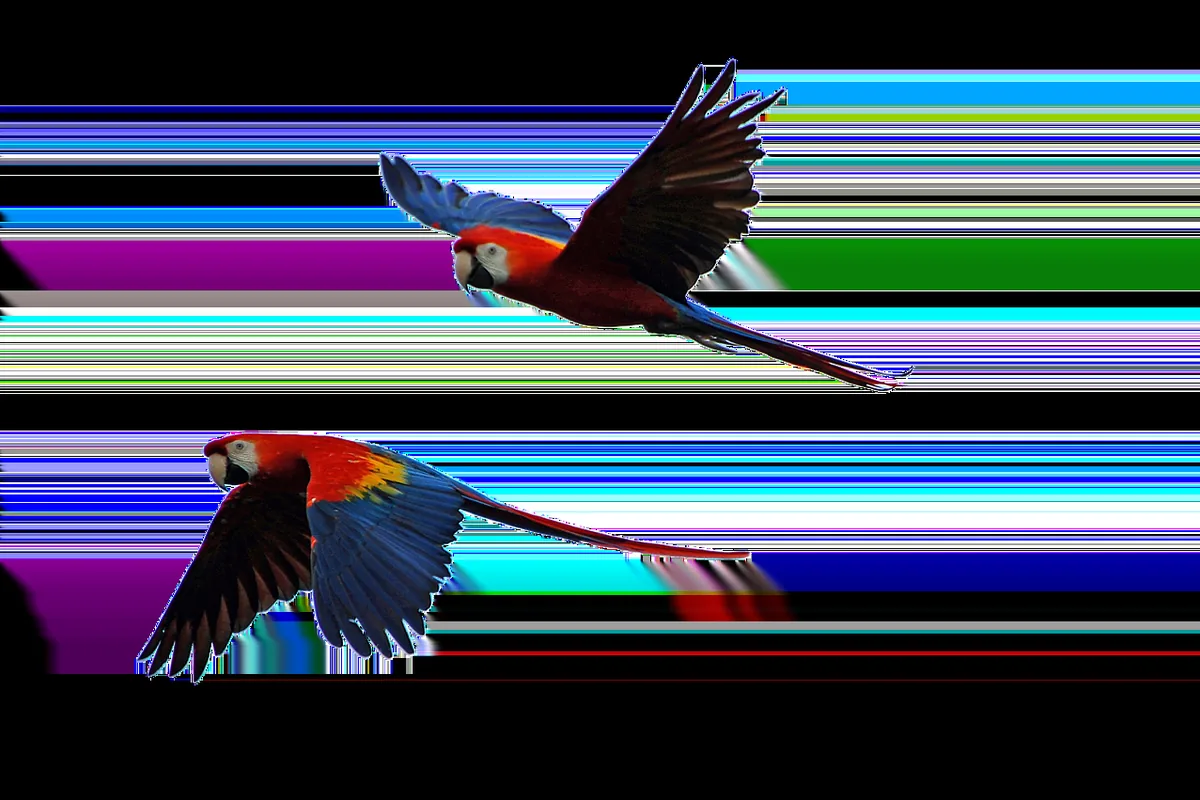
The Hidden Health Crisis in Our Feathered Friends
If your bird looks a little "fluffy" around the middle, you're not alone in thinking it's adorable. But here's the thing — what many of us perceive as a healthy, well-fed bird is often actually an overweight one. In our experience boarding over 1,000 birds at BST, we've seen firsthand that obesity is one of the most common yet overlooked health issues affecting pet birds today.
The statistics are sobering: veterinary studies suggest that up to 80% of pet birds are overweight or obese. That's not a typo — eight out of ten birds. Yet unlike with dogs or cats, many bird owners don't recognize the signs until serious health problems have already developed.
Why Pet Birds Become Overweight So Easily
Understanding why obesity is so prevalent in pet birds starts with recognizing how different their lives are from their wild counterparts. Wild birds spend most of their day foraging for food, flying long distances, and burning calories just to survive. Your pet bird, on the other hand, has an all-you-can-eat buffet available 24/7 with minimal physical demands.
The Seed Diet Trap
The biggest culprit? Seed-heavy diets. Many bird owners still rely on seed mixes as their bird's primary food source, not realizing that seeds are essentially the bird equivalent of fast food — high in fat and calories but lacking in essential nutrients.
Here's what's happening: seeds are designed by nature to be energy-dense survival food. A wild bird might find a cache of seeds and need those calories to fuel long flights or survive harsh weather. Your living room bird doesn't need that same caloric density, but the biological drive to eat high-fat foods remains strong.
The Treat Temptation
We see this pattern repeatedly at BST: well-meaning owners who express love through food. A few extra sunflower seeds here, some millet spray there, maybe a piece of toast or pasta because your bird begged so sweetly. These treats add up quickly, and birds are remarkably good at training their humans to provide them.
Limited Exercise Opportunities
Even birds with large cages often don't get enough exercise. Flying is the most natural form of exercise for birds, but many pet birds have clipped wings or limited out-of-cage time. Without adequate physical activity, those extra calories have nowhere to go but into fat storage.
How to Assess Your Bird's Body Condition
The good news is that you can learn to evaluate your bird's weight at home. Unlike mammals, birds store fat in specific, predictable locations that you can check with gentle handling.
The Keel Bone Test
The keel bone (or breastbone) is your most reliable indicator of your bird's body condition. Here's how to check it safely:
- Gently hold your bird with their back against your palm
- Use your thumb to feel along the breastbone
- The keel should feel like a knife edge — sharp and prominent
What you're feeling for:
- Underweight: Keel bone is very sharp and prominent, with little muscle on either side
- Ideal weight: Keel bone is easily felt but has good muscle coverage on both sides
- Overweight: Keel bone is difficult to locate, buried under fat and muscle
- Obese: Keel bone cannot be felt at all
Visual and Physical Signs of Obesity
Beyond the keel bone check, watch for these warning signs:
- Fat deposits visible around the abdomen or under the wings
- A "cleavage line" down the chest where fat bulges on either side
- Difficulty perching or reduced activity levels
- Labored breathing, especially after minimal exertion
- Tail bobbing while breathing at rest
Important: If you notice tail bobbing or labored breathing, contact an avian veterinarian immediately. These can be signs of serious respiratory distress.
Species Most Prone to Obesity
While any bird can become overweight, certain species are particularly susceptible due to their genetics, metabolism, or typical pet care practices.
High-Risk Species
Amazon Parrots: These birds are notorious for their hearty appetites and tendency to become overweight, especially as they age. Their love of food combined with their persuasive personalities makes them expert treat-negotiators.
Budgerigars: Despite their small size, budgies are prone to obesity, particularly when kept on seed-only diets. Their high metabolism in the wild doesn't translate well to cage life.
Cockatoos: These emotional eaters often use food for comfort, and their strong pair bonds with humans can lead to overfeeding through misguided affection.
Cockatiels: Similar to budgies, cockatiels on seed diets with limited exercise frequently develop weight problems.
Moderate Risk Species
Conures, lovebirds, and smaller parrot species can also become overweight, though they tend to be more active and may naturally regulate their intake better than the high-risk species.
The Serious Health Consequences
Obesity isn't just about appearance — it's a serious health condition that can dramatically shorten your bird's lifespan and quality of life.
Fatty Liver Disease (Hepatic Lipidosis)
This is perhaps the most common and dangerous consequence of obesity in birds. The liver becomes infiltrated with fat, compromising its ability to function. Signs include:
- Lethargy and decreased activity
- Changes in droppings
- Difficulty breathing
- Sudden death in severe cases
Atherosclerosis
Just like in humans, obese birds can develop hardening of the arteries, leading to heart disease and stroke. This condition is irreversible and often fatal.
Diabetes-Like Conditions
While true diabetes is rare in birds, obesity can cause similar metabolic disruptions, affecting how the body processes nutrients and maintains energy levels.
Additional Complications
- Reproductive problems: Overweight female birds may have difficulty laying eggs or experience egg-binding
- Joint stress: Extra weight puts strain on legs and feet, leading to arthritis and mobility issues
- Compromised immune system: Obese birds are more susceptible to infections and diseases
- Anesthetic risks: Overweight birds face higher risks during any surgical procedures
Effective Weight Loss Strategies
The key to successful weight loss in birds is patience and gradual change. Rapid weight loss can be dangerous and even fatal for birds, so slow and steady wins this race.
Gradual Diet Transition
Week 1-2: Start by reducing portion sizes by about 10-15%. Monitor your bird's behavior and energy levels closely.
Week 3-4: Begin introducing pellets if your bird is on a seed diet. Mix pellets with familiar foods at first.
Week 5-8: Gradually increase the pellet ratio while decreasing seeds. Aim for pellets to make up 75-80% of the diet.
Ongoing: Introduce fresh vegetables and limited fruits. These should make up about 20-25% of the total diet.
Pro Tip: Never remove all food at once or force a sudden diet change. Birds can develop serious digestive issues or even starve themselves rather than eat unfamiliar foods.
Creating Exercise Opportunities
Flight time: If your bird's wings aren't clipped, provide safe flight opportunities in a bird-proofed room.
Climbing gyms: Set up play areas with different levels, ropes, and perches to encourage movement.
Foraging activities: Hide food in paper cups, wrap it in paper, or use foraging toys to make your bird work for their meals.
Interactive play: Engage your bird in active games like chase (safely) or dancing to music.
Foraging for Weight Management
Foraging serves double duty — it provides mental stimulation and makes your bird work for their food, burning calories in the process. Start simple:
- Hide pellets in paper cups
- Wrap treats in paper towels
- Use toilet paper tubes stuffed with healthy foods
- Invest in commercial foraging toys
Ideal Weight Ranges by Species
Here are general healthy weight ranges for common pet bird species:
| Species | Healthy Weight Range |
|---|---|
| Budgerigar | 30-40 grams |
| Cockatiel | 80-100 grams |
| Lovebird | 45-55 grams |
| Green-cheeked Conure | 60-80 grams |
| Sun Conure | 100-130 grams |
| Amazon Parrot | 400-650 grams (varies by species) |
| African Grey | 400-550 grams |
| Cockatoo (medium) | 300-500 grams |
| Macaw (large) | 900-1500 grams |
Important: These are general ranges. Individual birds may have healthy weights outside these ranges. Work with an avian veterinarian to determine your specific bird's ideal weight.
Working with Your Avian Veterinarian
Regular weigh-ins are crucial for monitoring your bird's progress. Invest in a gram scale (kitchen scales work well) and weigh your bird weekly at the same time of day. Keep a log of weights, diet changes, and activity levels to share with your vet.
Your avian veterinarian can help determine a safe weight loss goal and timeline. They may also want to run blood tests to check for underlying health issues that could be contributing to weight gain or making weight loss more challenging.
Final Thoughts
Obesity in pet birds is a serious but completely preventable and treatable condition. The key is recognizing it early and taking action before health complications develop. Remember, helping your bird lose weight is one of the most loving things you can do for them — even if they give you those irresistible "feed me" eyes.
At BST, we've seen many birds transform from overweight and lethargic to active and vibrant through careful weight management. It takes patience and consistency, but the reward — a healthier, longer life for your feathered friend — is absolutely worth the effort. Your bird may not thank you for cutting back on the sunflower seeds, but their body certainly will.
Explore related topics
Related Articles
Aspergillosis in Birds: The Invisible Fungal Killer
Aspergillosis is one of the most common and deadly avian diseases. It's caused by a fungus that's everywhere in our environment.
The Avian First Aid Kit: 25 Essential Supplies Every Bird Owner Needs
When an emergency happens, you need supplies ready NOW. Here's what every bird owner should have on hand.
Bird Insurance: Is It Worth It? A Complete Guide to Avian Pet Insurance
A single emergency vet visit can cost $2000+. Pet insurance for birds exists — here's whether it's worth the premium.