The Most Affectionate Parrot Species: Cuddle Bugs of the Bird World
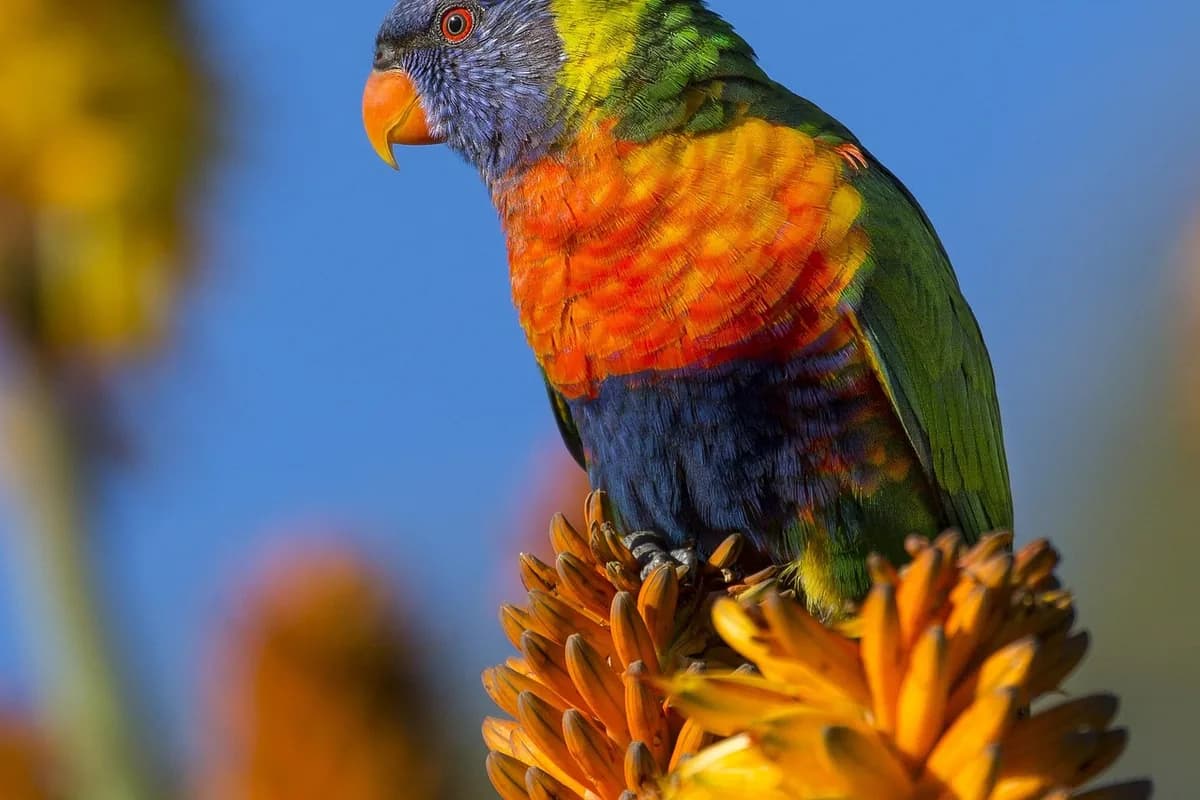
The Irresistible Appeal of Cuddly Parrots
There's nothing quite like having a feathered friend who genuinely wants to snuggle up with you. While all parrots can form strong bonds with their humans, some species take affection to a whole new level — think velcro birds who'd happily spend every waking moment perched on your shoulder or nestled against your neck.
But here's the thing: the most affectionate parrot species often come with their own unique challenges. In our experience boarding over 1,000 birds at BST, we've seen how these cuddle bugs can steal your heart while also testing your patience. Let's explore which species are the ultimate love bugs and how to enjoy their affection without accidentally creating behavioral problems.
The Top Affectionate Parrot Species
Cockatoos: The Ultimate Velcro Birds
If parrots had a "most needy" award, cockatoos would win hands down. These powder-puff personalities don't just want your attention — they require it. Umbrella cockatoos, Moluccan cockatoos, and Goffin's cockatoos are particularly known for their intense desire to be with their humans 24/7.
We see this constantly at BST: cockatoos who arrive and immediately want to be held, petted, and constantly reassured. They'll press their heads into your hand for scratches, lean their entire bodies against you, and follow you around like feathered shadows. The affection is genuine and heartwarming, but it comes with intensity that can be overwhelming.
What makes them special:
- Will actively seek out physical contact
- Love head scratches and gentle petting
- Often want to "help" with everything you're doing
- Form incredibly deep bonds with their favorite person
Cockatiels: The Gentle Cuddlers
Cockatiels offer a much more manageable version of cockatoo affection. These charming crested birds love to snuggle, but they're generally less demanding about it. Many cockatiels enjoy sitting quietly on your shoulder while you work, occasionally giving you gentle nibbles or preening your hair.
Male cockatiels, especially, tend to be more openly affectionate and may even serenade you with their sweet songs. They're often content to just be near you, making them perfect for people who want an affectionate bird without the intensity of larger species.
Their affectionate behaviors:
- Sitting contentedly on shoulders or laps
- Gentle preening of human hair or clothing
- Soft vocalizations when near their favorite person
- Seeking out head scratches and neck rubs
Conures: The Constant Contact Crew
Green cheek conures, sun conures, and other conure species are like tiny parrots with huge personalities and an insatiable need for contact. These birds don't understand personal space — and honestly, they don't want to. They'll burrow under your shirt, nestle in your hair, or find creative ways to stay physically connected to you.
At BST, we often joke that conures have two settings: "on you" or "trying to get on you." They're incredibly social and tactile, often preferring to sleep snuggled up against something warm and soft (ideally you).
Their cuddly characteristics:
- Love to burrow and hide in cozy spaces
- Will actively crawl under clothing or blankets
- Often sleep better when they can touch their human
- Enjoy gentle belly rubs and full-body pets
Lovebirds: Small but Devoted
Don't let their size fool you — lovebirds pack a lot of affection into their tiny bodies. While they can be feisty with other birds, many lovebirds form incredibly strong bonds with their humans. They'll often choose one favorite person and shower them with attention, including gentle nibbles, preening, and wanting to be as close as possible.
Single lovebirds (those without a bird partner) often redirect all their pair-bonding instincts toward their human, resulting in an incredibly devoted and affectionate companion.
Caiques: The Playfully Affectionate Clowns
Caiques show affection in their own unique, playful way. While they might not be traditional "cuddlers," they express love through interactive play, rolling on their backs for belly rubs, and wanting to be involved in everything their humans do. Their affection often comes with a side of mischief and entertainment.
Understanding the Difference: Affectionate vs. Needy
Here's where things get complicated. There's a fine line between a naturally affectionate bird and one that's become unhealthily dependent. Healthy affection looks like a bird who enjoys interaction but can also entertain themselves. Neediness, on the other hand, manifests as anxiety when separated, inability to play alone, and demanding constant attention.
Signs of healthy affection:
- Enjoys contact but doesn't panic when alone
- Can play independently for periods
- Shows interest in toys and activities beyond human interaction
- Accepts attention from multiple family members
Red flags of over-dependence:
- Screaming or distress when you leave the room
- Refusing to interact with toys or food when alone
- Aggressive behavior toward other family members
- Constant demand for attention, even when you're trying to sleep or work
Important: Cockatoos are particularly prone to becoming co-dependent. Their intense need for social interaction can quickly turn into separation anxiety if not managed properly.
The Dark Side of Extreme Affection
While having a cuddly bird sounds wonderful, there are some serious downsides to be aware of. The most affectionate species often struggle with behavioral issues that stem from their intense bonding needs.
Separation Anxiety
Birds who become too attached can develop severe separation anxiety. We see this regularly at BST — birds who've never learned to be alone become extremely stressed when their favorite person isn't available. This can lead to:
- Excessive screaming or calling
- Destructive behaviors like feather plucking
- Refusal to eat when alone
- Aggressive behavior when the favored person returns
Over-Bonding and Mate Behavior
Sometimes, what starts as sweet affection can evolve into sexual behavior. Birds may begin to see their human as a mate rather than a companion, leading to:
- Territorial aggression toward other family members
- Hormonal behaviors like regurgitation or nest-seeking
- Frustration and behavioral problems during breeding season
- Difficulty accepting care from anyone else
The Cuddling Trap
Here's something many bird owners don't realize: excessive cuddling and petting can actually trigger hormonal responses in parrots. Stroking a bird's back, under their wings, or around their vent area can stimulate breeding behaviors, leading to increased aggression, egg-laying in females, and other problematic behaviors.
Pro Tip: Stick to head and neck scratches to show affection without triggering hormonal responses. These areas mimic natural preening behaviors between flock mates rather than mate behaviors.
Enjoying Affection Without Creating Problems
The good news is that you can absolutely enjoy a loving relationship with an affectionate parrot while maintaining healthy boundaries. Here's how:
Set Up Independent Play Time
Even the most social birds need to learn to entertain themselves. Start with short periods (5-10 minutes) where your bird is expected to play alone, gradually increasing the time. Provide engaging toys and rotate them regularly to maintain interest.
Establish Boundaries Early
From the beginning, teach your bird that constant contact isn't necessary. This means:
- Not allowing your bird to stay on you all day
- Teaching a "step up" and "step down" command
- Having designated perches in different rooms
- Not responding immediately to every demand for attention
Include Multiple Family Members
Prevent over-bonding to one person by having all family members participate in feeding, training, and interaction. This creates a more balanced social dynamic and reduces anxiety when the favorite person isn't available.
Practice Healthy Affection
Focus on types of physical interaction that won't trigger hormonal responses:
- Head and neck scratches
- Gentle finger preening around the face
- Allowing the bird to preen your hair or jewelry
- Short periods of shoulder time rather than extended cuddling sessions
Create Predictable Routines
Affectionate birds often do better with structure. Establish regular times for interaction, play, and independent time. This helps your bird feel secure while also teaching them that your attention isn't available 24/7.
Final Thoughts
The most affectionate parrot species can make incredibly rewarding companions, but they require thoughtful management to prevent behavioral problems. Whether you're drawn to the intense devotion of a cockatoo, the gentle sweetness of a cockatiel, or the playful affection of a conure, remember that healthy relationships have boundaries.
At BST, we've learned that the happiest, most well-adjusted birds are those who feel secure in their relationships but aren't completely dependent on constant human contact. With the right approach, you can enjoy all the snuggles and sweet moments these affectionate species offer while raising a confident, well-behaved bird who can handle life's inevitable separations with grace.
The key is finding that sweet spot where your bird feels loved and secure but isn't so attached that your absence becomes a crisis. Trust me — both you and your feathered friend will be happier for it.
Explore related topics
Related Articles
Best Talking Parrot Species Ranked: From Chatterbox to Silent Type
Which parrots actually talk? Here's an honest ranking with realistic expectations for each species.
Bourke's Parakeet: The Complete Care Guide for This Gentle Species
Bourke's parakeets are the calmest, quietest parrots you'll ever meet. Perfect for beginners and apartments.
Lineolated Parakeet: The Complete Care Guide for Linnies
Lineolated parakeets (linnies) are quirky, quiet, and surprisingly cuddly. Here's everything you need to know.