Meyer's Parrot: The Complete Care Guide for This Quiet Gem
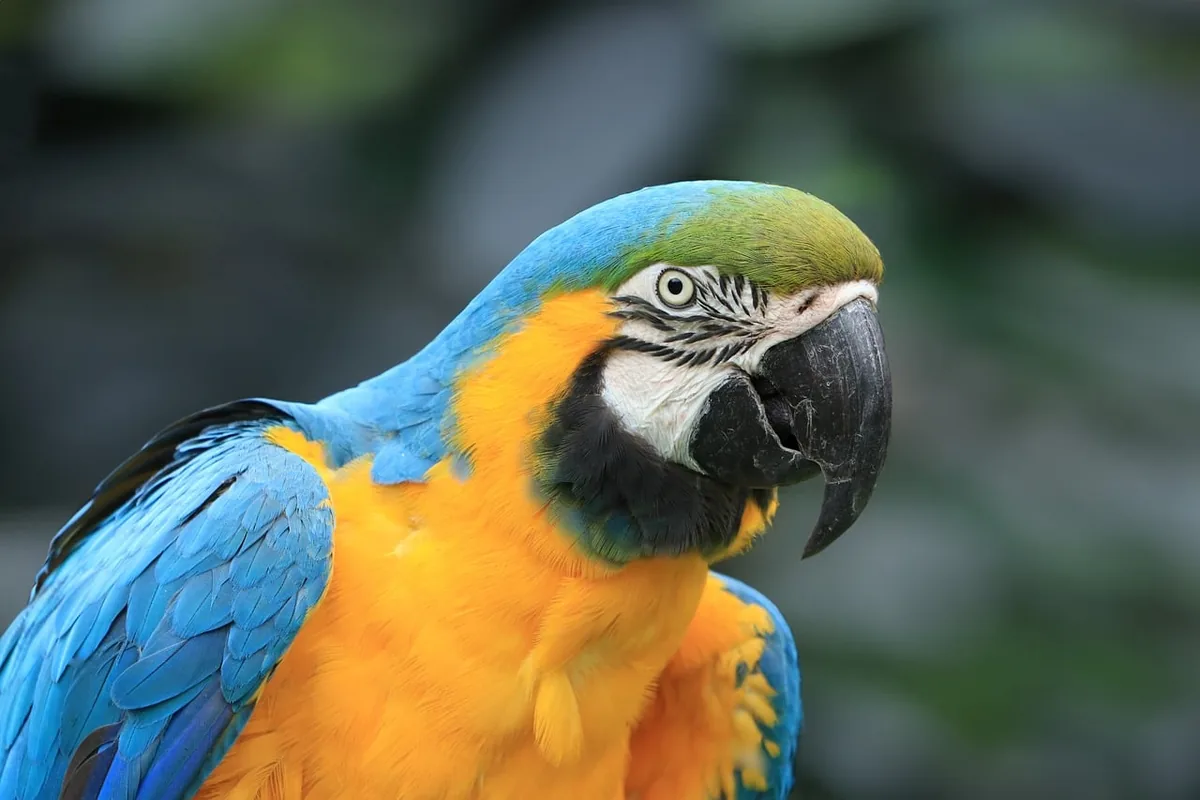
Meet the Meyer's Parrot: A Hidden Treasure in the Parrot World
If you're looking for a parrot that won't wake the neighbors but still brings all the joy and companionship of a larger bird, let me introduce you to the Meyer's parrot. These beautiful brown and yellow birds are seriously underrated in the pet world, and honestly, that might be exactly why they're perfect for the right family.
Meyer's parrots (Poicephalus meyeri) are part of the Poicephalus family, making them cousins to the more well-known Senegal parrot. But here's the thing — while Senegals get most of the attention, Meyer's parrots have some distinct advantages that make them exceptional companions for bird lovers who appreciate a calmer, more independent personality.
In our experience boarding over 1,000 birds at Bird Sitting Toronto, we've noticed that Meyer's parrot owners are often the most relaxed bird parents. Their birds are content, well-adjusted, and surprisingly adaptable. Let's dive into why these quiet gems deserve serious consideration.
Understanding the Meyer's Parrot Personality
The Calm and Independent Nature
Meyer's parrots are the introverts of the medium-sized parrot world. Unlike their more demanding cousins, they're perfectly content to entertain themselves for hours. This doesn't mean they're antisocial — quite the opposite. They form strong bonds with their families but don't require constant attention to be happy.
These birds are:
- Gentle and even-tempered — aggressive behavior is rare
- Independent — happy to play alone while you work
- Observant — they watch everything but don't feel the need to comment on it loudly
- Loyal — they typically bond strongly with one or two family members
- Adaptable — they handle routine changes better than most parrots
What Makes Them Different from Other Parrots
The biggest difference you'll notice is their noise level. While most medium parrots have their "contact call" times (usually dawn and dusk), Meyer's parrots are remarkably quiet throughout the day. They're not silent — they'll chirp, whistle softly, and make gentle sounds — but they won't have the neighbors calling about noise complaints.
Pro Tip: Meyer's parrots are perfect apartment birds. Their quiet nature and smaller size make them ideal for urban living situations where noise restrictions are a concern.
The Quiet Factor: Why Meyer's Parrots Are Apartment-Friendly
Let's be honest about noise levels because this is often a make-or-break factor for potential parrot owners. On a scale of 1 to 10 (where 1 is a finch and 10 is a cockatoo), Meyer's parrots sit comfortably at a 3 or 4.
Their typical vocalizations include:
- Soft chirping and whistling
- Gentle contact calls (much quieter than most parrots)
- Occasional louder calls, but brief and infrequent
- Some may learn to mimic household sounds like microwaves or phones
The good news is that their quiet periods far outweigh any louder moments, making them one of the most neighbor-friendly parrot species available.
Diet and Nutrition Requirements
Meyer's parrots have straightforward dietary needs, but like all Poicephalus species, they're prone to calcium deficiency, so nutrition is crucial.
Daily Diet Foundation
A healthy Meyer's parrot diet should consist of:
- High-quality pellets (70-80%) — Choose a premium brand formulated for medium parrots
- Fresh vegetables (15-20%) — Dark leafy greens, orange vegetables, and calcium-rich options
- Healthy seeds and nuts (5-10%) — As treats, not meal replacements
- Fresh fruit (occasional treats) — Limit due to sugar content
Calcium-Rich Foods to Include
Since calcium deficiency is common in Poicephalus parrots, include these regularly:
- Dark leafy greens (kale, collard greens, bok choy)
- Broccoli and broccoli leaves
- Almonds (unsalted, in moderation)
- Cooked quinoa
- Small amounts of low-fat cheese (as occasional treats)
Important: Never give your Meyer's parrot avocado, chocolate, caffeine, salt, or fruit pits. These are toxic to all parrots and can be fatal.
Foods to Avoid or Limit
- High-fat seeds (sunflower seeds should be treats only)
- Processed human foods
- Sugary fruits in large quantities
- Anything with artificial colors or preservatives
Housing and Cage Requirements
Meyer's parrots need adequate space despite their calm demeanor. A cramped environment can lead to stress and behavioral issues.
Minimum Cage Specifications
- Size: Minimum 24" wide x 24" deep x 30" high for one bird
- Bar spacing: 5/8" to 3/4" spacing
- Bar orientation: Horizontal bars for climbing
- Material: Powder-coated or stainless steel (avoid galvanized)
Essential Cage Setup
Your Meyer's parrot's cage should include:
- Multiple perches of varying diameters and textures
- Food and water dishes — stainless steel or ceramic preferred
- Toys for mental stimulation — rotate weekly to prevent boredom
- A comfortable sleeping area — some birds prefer a sleeping hut
Pro Tip: Place the cage in a social area where your bird can observe family activities, but ensure one side is against a wall so they feel secure.
Talking Ability and Communication
Here's where expectations need to be realistic. Meyer's parrots are not known for extensive vocabularies like African Greys or Amazons. However, many do learn some words and phrases, especially if you start training when they're young.
What to Expect
- Limited vocabulary — typically 10-20 words maximum
- Clearer whistles than words — they often prefer musical sounds
- Mimicry of household sounds — doorbells, phone rings, microwave beeps
- Non-verbal communication — they're very expressive through body language
Encouraging Speech
If you want to encourage talking:
- Start with simple, frequently used words
- Use consistent tone and timing
- Reward attempts with praise and treats
- Don't force it — some birds simply prefer to be quiet observers
Common Health Issues and Prevention
Meyer's parrots are generally healthy birds with proper care, but there are specific health concerns to watch for.
Primary Health Concerns
Aspergillosis This fungal infection is common in Poicephalus species. Prevention includes:
- Maintaining proper humidity levels (50-60%)
- Ensuring excellent ventilation
- Regular cage cleaning
- Avoiding moldy foods or bedding
Calcium Deficiency Particularly important for female birds. Signs include:
- Soft or deformed beaks
- Brittle feathers
- Egg-binding in females
- Seizures in severe cases
Obesity These calm birds can become overweight easily. Prevent with:
- Proper diet portions
- Regular out-of-cage exercise time
- Engaging toys that encourage movement
Regular Health Maintenance
- Annual vet checkups with an avian veterinarian
- Weight monitoring — sudden changes indicate health issues
- Observing droppings — changes in color, consistency, or frequency
- Watching behavior — lethargy, loss of appetite, or personality changes
Lifespan and Long-Term Commitment
Meyer's parrots typically live 25-35 years with proper care. This is a significant commitment that requires planning for your bird's entire life.
Factors Affecting Lifespan
- Diet quality — proper nutrition extends life significantly
- Regular veterinary care — early detection prevents serious issues
- Mental stimulation — bored birds develop stress-related health problems
- Exercise — daily out-of-cage time is essential
- Environmental factors — clean air, appropriate temperature, and lighting
Why Meyer's Parrots Are Underrated
The honest truth is that Meyer's parrots don't get the attention they deserve, and it's partly because they're not flashy or demanding. In a world where people often associate "good pet" with "entertaining performer," these birds get overlooked.
But here's what makes them special:
- Low maintenance compared to other medium parrots
- Excellent apartment birds due to noise levels
- Gentle temperament makes them suitable for families with older children
- Independent nature works well for busy households
- Beautiful, subtle coloring that's elegant rather than flashy
Meyer's vs. Senegal Parrots: Understanding the Differences
Since these species are closely related, people often ask about the differences. Here's a practical comparison:
Personality Differences
- Meyer's: More independent and calm
- Senegal: More social and attention-seeking
Noise Levels
- Meyer's: Consistently quieter
- Senegal: More vocal, especially during morning and evening
Size and Appearance
- Meyer's: Slightly larger, brown and yellow coloring
- Senegal: Smaller, distinctive gray head with green and yellow body
Availability and Cost
- Meyer's: Less common, may be harder to find
- Senegal: More readily available from breeders
Final Thoughts
Meyer's parrots are perfect for bird lovers who want a genuine parrot experience without the drama. They're the kind of bird that quietly becomes part of your daily routine, offering companionship without demanding to be the center of attention.
If you're considering a Meyer's parrot, make sure you appreciate their calm, independent nature rather than expecting a chatty, attention-seeking performer. These birds reward patient, consistent care with decades of gentle companionship.
The good news is that once you experience life with a Meyer's parrot, you'll understand why their owners are so devoted to these understated gems. They may not be the loudest or most colorful parrots, but they're certainly among the most rewarding for the right family.
Explore related topics
Related Articles

Best Talking Parrot Species Ranked: From Chatterbox to Silent Type
Which parrots actually talk? Here's an honest ranking with realistic expectations for each species.
Bourke's Parakeet: The Complete Care Guide for This Gentle Species
Bourke's parakeets are the calmest, quietest parrots you'll ever meet. Perfect for beginners and apartments.
Lineolated Parakeet: The Complete Care Guide for Linnies
Lineolated parakeets (linnies) are quirky, quiet, and surprisingly cuddly. Here's everything you need to know.