Maintaining the Ideal Temperature for Your Pet Parrot
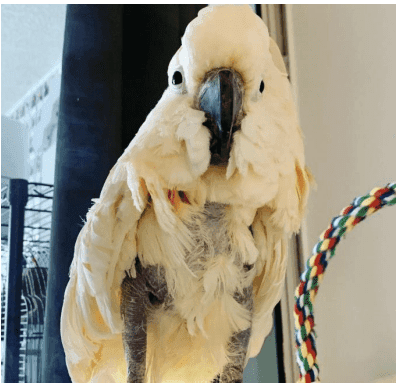
Parrots are tropical and subtropical animals by design. In the wild they live in warm, humid forests and savannas—broadly 21–35 °C (70–95 °F) with humidity often in the 70–88% range—and they regulate themselves by moving between sun and shade, seeking breezes, and bathing when they need to shed heat. A companion parrot in a Toronto living room has none of those options. Your bird relies entirely on you to hold a stable, comfortable environment, which makes temperature one of the quietest but most important parts of daily care.
At Bird Sitting Toronto, where we board hundreds of birds every year, the single most useful thing we can tell you is this: healthy parrots are remarkably adaptable to steady temperatures, but they are poorly equipped for sudden change. The number on the thermostat matters far less than how fast it moves.
What Temperature Does Your Parrot Actually Need?
Most homes sit around 18–22 °C (65–72 °F) year-round, and that is comfortable for the vast majority of companion parrots. A healthy, fully feathered bird that has been living in your home is generally content anywhere from about 18–29 °C (65–85 °F). Birds acclimated to cooler rooms can tolerate the low end; birds used to a warm home should not be plunged into the cold.
The real hazard is a rapid shift. Avian veterinary consensus is that a change of more than roughly 6–8 °C (10–15 °F) within 24 hours is a genuine stressor, and larger swings can tip a bird toward heat stroke or hypothermia. This is why a bird can be fine at a steady 19 °C but become unwell when a house drops from 24 °C to 15 °C overnight after a furnace fails.
| Condition | Target range | Watch for |
|---|---|---|
| Comfortable room (healthy adult) | 18–29 °C (65–85 °F) | Steady is better than "perfect" |
| Relative humidity | 40–70% is fine indoors | Very dry winter air dulls feathers, dries sinuses |
| Dangerous rapid swing | More than 6–8 °C (10–15 °F) in 24 h | Fluffing, shivering, or panting |
| Sick or very young bird | Keep warmer: 26–29 °C (80–85 °F) | Illness raises heat needs sharply |
Tip: Buy a cheap digital thermometer/hygrometer and set it at cage height, not across the room. Warm air rises, windowsills chill at night, and the reading beside your face is not the reading your bird is living in.
Reading Your Bird's Body Language
Your parrot will tell you it is uncomfortable long before a thermometer will. Learning these signals is the most reliable "sensor" you own.
Signs Your Bird Is Too Cold
- Feathers fluffed out and held puffed for long stretches, making the bird look round.
- Tucking one foot up into the belly feathers and staying that way, or shivering.
- Sitting hunched and quiet on the lowest perch, tucking the head into the wing.
A quick fluff-and-shake is normal preening or contentment. Sustained puffing, especially paired with lethargy, is not.
Signs Your Bird Is Too Hot
- Holding the wings slightly away from the body to release heat.
- Panting or open-mouth breathing, sometimes with a fluttering throat (gular flutter).
- Sleek, tight feathers held flat against the body, and restless shifting to cooler spots.
Warning: Open-mouth breathing and outstretched wings in a hot room can signal early heat stress, which becomes an emergency fast. Move the bird to shade and gentle airflow, offer cool (not iced) water, and lightly mist the feet and legs. If panting does not settle within a few minutes, contact an avian veterinarian immediately.
Keeping Your Bird Cool in Hot Weather
Toronto summers are short but can spike, and top-floor apartments and sunrooms trap heat quickly.
- Keep cages out of direct sunlight. A cage in a sunny window becomes a greenhouse. Make sure part of the cage is always shaded so your bird can choose.
- Avoid window drafts and hot glass. Position cages at least 30–45 cm (12–18 in) from windows to escape both summer radiant heat and winter cold.
- Move air gently. If the room climbs above about 29 °C (85 °F), run a fan or crack a window—but never aim moving air directly at the cage, which chills a bird unevenly.
- Offer mist showers. Light misting or a lukewarm (never cold) shower helps your parrot shed heat the way rain does in the wild.
- Never leave a bird in a parked car. Interiors reach lethal temperatures within minutes, even with windows cracked.
- Mind body condition. Overweight birds overheat more easily; underweight birds chill faster. If you are unsure of your bird's condition, ask your vet.
- Aviary precautions. If you use an outdoor aviary, guarantee deep shade and constant access to clean, cool water all day.
Keeping Your Bird Warm in Cooler Weather
Canadian winters are the harder problem, and dry forced-air heat brings its own issues.
- Use a bird-safe heat source. A bird-safe heater warms the room without fumes. Avoid anything that can off-gas near birds—overheated non-stick (PTFE) cookware, self-cleaning oven cycles, and certain space heaters with non-stick-coated elements can release fumes that are rapidly fatal to birds.
- Acclimate gradually. Ease your parrot into seasonal temperature changes in spring and fall rather than letting the swing happen overnight.
- Warm the feet. Cold radiates from a bird's bare feet first; a properly rated, thermostatically controlled heated perch can take the edge off frigid nights.
- Add cozy options. A tent or cuddle pouch gives a bird somewhere to retreat—inspect it often for fraying threads and signs of chewing.
- Cover strategically. A breathable cage cover on cold nights slows drafts and holds a pocket of warmer air, while still letting the bird settle for sleep.
Warning: A parrot that suddenly fluffs up and stays quiet may be cold—or it may be sick, because ill birds cannot regulate temperature well and often feel cold to us. When in doubt, gently warm the bird (a heating pad set to low under one end of the cage, never the whole floor) and call your avian vet. Sustained fluffing is one of the clearest "something is wrong" signals a bird gives.
The Bottom Line
Your parrot does not need a perfect tropical climate recreated in your home. It needs a stable one: a steady room temperature in the 18–29 °C (65–85 °F) range, protection from drafts and direct sun, humidity that is neither desert-dry nor swampy, and an owner who reads feathers and posture instead of trusting the thermostat alone. Manage the swings, watch the body language, and your bird will stay comfortable through every Toronto season.
Explore related topics
Related Articles
Best Air Purifiers for Bird Owners: Protecting Your Bird's Lungs
Birds have incredibly sensitive respiratory systems. The right air purifier can literally save your bird's life.
Creating a Parrot-Safe Outdoor Space: Aviaries and Screen Porches
Fresh air and sunshine are incredible for parrots. Here's how to give outdoor time safely.
Humidity and Temperature Guide for Pet Birds: Creating the Perfect Environment
Canadian winters are brutally dry for tropical birds. Here's how to maintain ideal humidity and temperature.