Macaws: The Complete Care Guide for the King of Parrots
The Magnificent Macaw: Are You Ready for a Feathered Giant?
When people think of parrots, macaws are often the first birds that come to mind. These stunning, intelligent giants are the poster children of the parrot world — and for good reason. With their brilliant plumage, impressive size, and larger-than-life personalities, macaws are truly the kings of parrots. But here's the thing: owning a macaw isn't just getting a pet, it's welcoming a feathered family member who will likely outlive you.
In our experience boarding over 1,000 birds at BST, we've seen the incredible bond macaws form with their humans — and we've also witnessed the challenges that come with these magnificent creatures. Let's dive deep into what it really means to share your life with a macaw.
Meet the Macaw Family
Macaws aren't just one species — they're a diverse group with personalities as colorful as their feathers. Here are the most common species you'll encounter:
Large Macaws
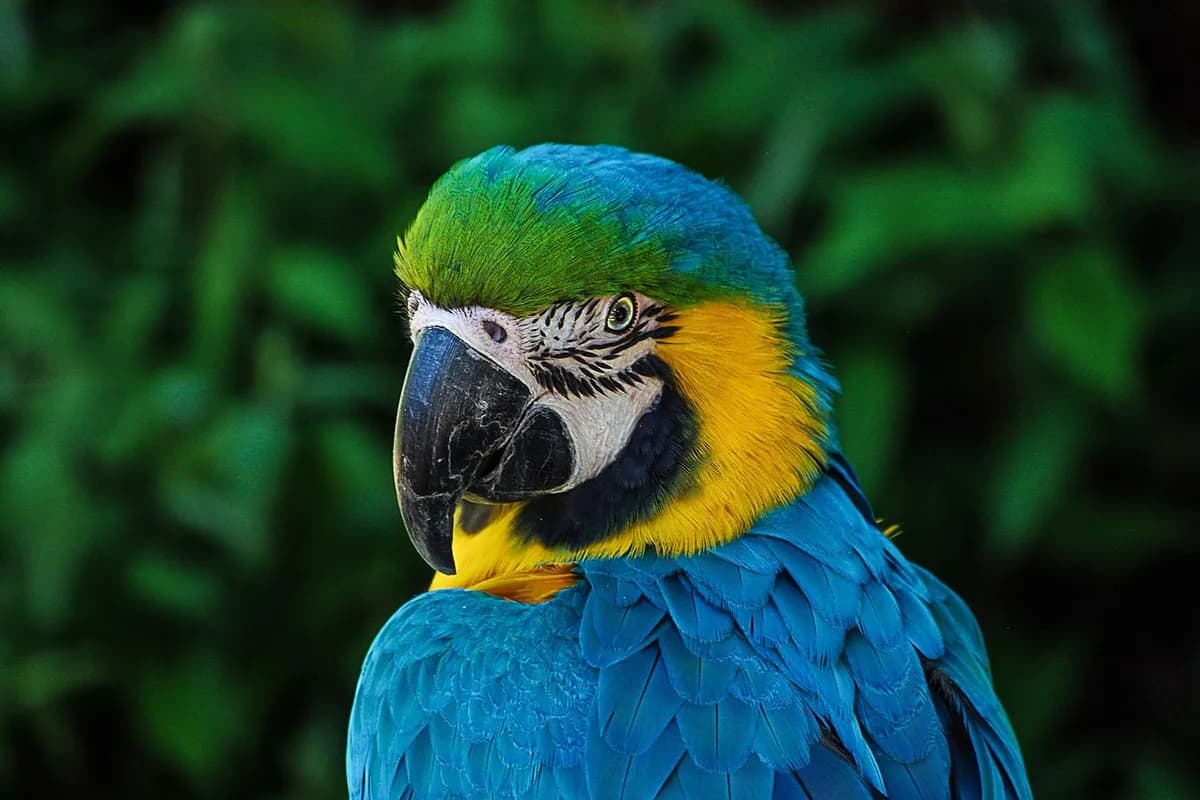
Blue and Gold Macaw The gentle giants of the macaw world, Blue and Golds are known for their stunning cobalt blue backs and bright yellow chests. They're often considered the most even-tempered of the large macaws, making them slightly more manageable for experienced bird owners.
Scarlet Macaw With their fire-engine red bodies, bright yellow wing patches, and blue flight feathers, Scarlets are absolutely breathtaking. They tend to be more independent and can be nippy, especially during hormonal periods.
Green-winged Macaw Often called "Greenwings," these birds are actually the largest of the commonly kept macaws. They're predominantly red with green wing patches and are known for being gentle giants with strong, loyal bonds to their families.
Hyacinth Macaw The holy grail of macaws, Hyacinths are the largest flying parrots in the world. Their stunning cobalt blue coloring is unmatched, but they're extremely rare and expensive — we're talking $15,000 to $40,000.
Military Macaw Smaller than the others but still substantial, Military Macaws sport olive-green plumage with blue flight feathers. They're known for being intelligent and somewhat calmer than their larger cousins.
Mini Macaws
Hahn's Macaw The smallest of the macaw family at about 12 inches, Hahn's Macaws pack big personalities into compact bodies. They're green with red on their shoulders and are often recommended for people who want macaw personality without the massive size commitment.
Size and Space: Think Bigger Than You Think
Here's where many potential macaw owners get a reality check. These birds are HUGE, and they need space to match their size.
Minimum Cage Requirements
For large macaws, you're looking at:
- Minimum cage size: 5 feet wide × 4 feet deep × 6 feet tall
- Bar spacing: 1 to 1.5 inches
- Bar thickness: At least 4mm — macaws have incredibly powerful beaks
For mini macaws like Hahn's:
- Minimum cage size: 3 feet wide × 2 feet deep × 4 feet tall
- Bar spacing: 0.75 to 1 inch
Important: These are absolute minimums. Bigger is always better, and your macaw should spend several hours outside the cage daily in a bird-safe room.
Flight and Exercise Space
Macaws are built to fly long distances in the wild. In captivity, they need:
- Daily out-of-cage time (minimum 4-6 hours)
- A bird-safe room where they can spread their wings
- Multiple perches at varying heights
- Plenty of toys for mental stimulation
Diet: More Than Seeds and Pellets
Macaws have unique nutritional needs that differ from smaller parrots. In the wild, they're notorious for eating clay from riverbanks and cracking open incredibly hard nuts.
The Foundation: High-Quality Pellets
Start with a premium pellet designed for large parrots, making up about 75-80% of their diet. We recommend brands like Harrison's, Zupreem, or Roudybush.
The Macaw Difference: Nuts and Healthy Fats
Unlike smaller parrots, macaws need more fat in their diet. Include:
- Brazil nuts (1-2 per day — they're native food!)
- Macadamia nuts (unsalted)
- Walnuts
- Almonds
- Pine nuts
Pro Tip: Use nuts as training treats and foraging opportunities. Hide them in paper cups or wrapped in paper for mental stimulation.
Fresh Foods Daily
Offer a variety of:
- Vegetables: Dark leafy greens, carrots, sweet potatoes, broccoli
- Fruits: Papaya, mango, berries, apples (no seeds)
- Grains: Quinoa, brown rice, whole grain pasta
Foods to Avoid
- Avocado (toxic)
- Chocolate
- Caffeine
- Salt
- Fruit pits and apple seeds
- Onions and garlic
The Sound and the Fury: Noise Levels
Let's be brutally honest: macaws are LOUD. We're not talking about chirping — we're talking about calls that can be heard several blocks away.
What to Expect
- Morning and evening contact calls: This is natural behavior and will happen daily
- Flock calling: If they hear other birds or outdoor sounds, they'll join in
- Attention-seeking screams: This can develop if not properly managed
- Decibel levels: Large macaws can reach 100+ decibels — that's lawnmower loud
Warning: Macaws are absolutely not suitable for apartment living or close neighbors. Even single-family homes need understanding neighbors.
Managing the Noise
- Establish quiet times with consistent routines
- Don't reward screaming with attention
- Provide plenty of mental stimulation
- Cover the cage partially during rest periods
- Never yell back — it just encourages them
Personality: Drama Queens with Hearts of Gold
Macaws are often called "velcro birds" because of their intense bonding with their chosen person. Here's what you can expect:
The Good
- Incredibly loyal: Once bonded, they're devoted for life
- Highly intelligent: Can learn complex tricks and even some speech
- Playful: They love games, puzzles, and interactive toys
- Affectionate: Many enjoy head scratches and gentle handling
The Challenging
- One-person birds: Often become aggressive toward others
- Dramatic: Everything is a big deal to a macaw
- Destructive: Their beaks can demolish furniture, trim, and anything wooden
- Hormonal: Can become nippy and territorial during breeding season
- Demanding: They want attention when they want it
Lifespan: A Lifetime Commitment (Literally)
This is perhaps the most important consideration: macaws live 60-80+ years, with some reaching over 100. When you get a macaw, you're making a commitment that will likely outlast you.
Planning for the Future
- Include your macaw in your will
- Identify potential caregivers
- Consider setting aside funds for their care
- Start socializing them with other family members early
Health Considerations
Macaws are generally hardy birds, but they're prone to certain conditions:
Common Health Issues
Proventricular Dilation Disease (PDD) A viral disease affecting the digestive system. Symptoms include regurgitation, weight loss, and undigested seeds in droppings.
Macaw Wasting Disease Similar to PDD, causing weight loss despite good appetite. Requires immediate veterinary attention.
Feather Destructive Behavior Often stress or boredom-related. Can range from over-preening to complete feather destruction.
Respiratory Issues Macaws are sensitive to air quality. Avoid Teflon, aerosols, and smoking around them.
Important: Find an avian veterinarian BEFORE you get your macaw. Regular check-ups are essential for early detection of problems.
The Reality of Costs
Macaws are expensive — not just to purchase, but to maintain properly.
Initial Costs
- Bird purchase: $1,500-$40,000 depending on species
- Cage: $800-$3,000 for appropriate size
- Initial vet exam: $200-$400
- Toys and perches: $200-$500
- Food and supplies: $100-$200
Monthly Expenses
- High-quality food: $50-$100
- Toys (they destroy them): $30-$50
- Veterinary savings: $50-$100
- Utilities (they need warmth): $20-$50
Emergency Fund
Always have $2,000-$5,000 set aside for emergency veterinary care. Macaw surgeries and treatments can be extremely expensive.
Final Thoughts: The Honest Truth
Macaws are extraordinary birds that can bring immense joy to the right homes. But they're not pets in the traditional sense — they're intelligent, emotional beings that require expert care, endless patience, and a lifetime commitment.
We see many macaws at BST whose owners underestimated the commitment. These birds don't just need food and water; they need social interaction, mental stimulation, and consistent care for decades. They'll test your patience, destroy your belongings, and demand attention at inconvenient times.
But for those ready for the challenge, macaws offer a bond unlike any other pet. They're companions who will greet you enthusiastically every day, learn your routines, and become true family members.
Before bringing a macaw home, honestly assess whether you can provide proper housing, handle the noise, afford the costs, and commit to 60+ years of care. If you can answer yes to all of these, you might just be ready for the incredible journey of macaw ownership.
Remember, there are many macaws in rescues waiting for their forever homes. Consider adoption — you might just save a life while gaining an extraordinary companion.
Explore related topics
Related Articles
Best Talking Parrot Species Ranked: From Chatterbox to Silent Type
Which parrots actually talk? Here's an honest ranking with realistic expectations for each species.
Bourke's Parakeet: The Complete Care Guide for This Gentle Species
Bourke's parakeets are the calmest, quietest parrots you'll ever meet. Perfect for beginners and apartments.
Lineolated Parakeet: The Complete Care Guide for Linnies
Lineolated parakeets (linnies) are quirky, quiet, and surprisingly cuddly. Here's everything you need to know.