Common Health Issues in Lovebirds and How to Prevent Them
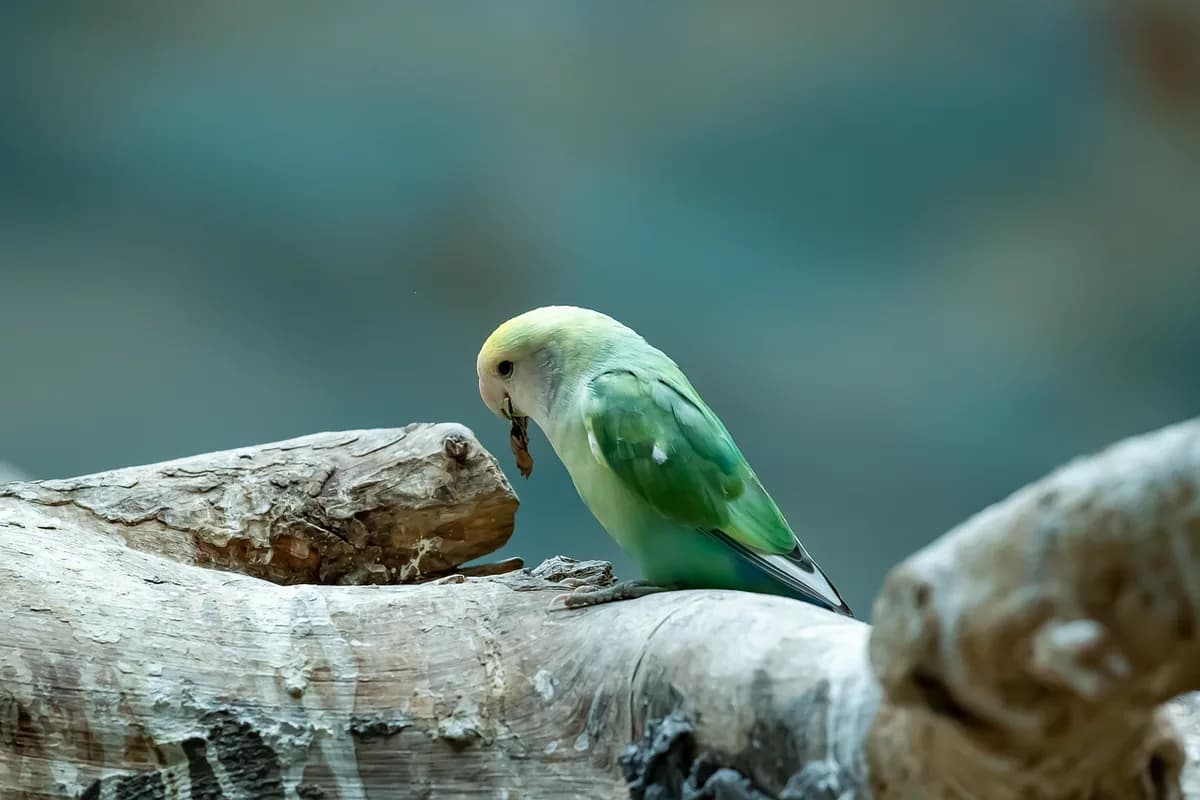
Lovebirds are hardy little parrots that can live 10 to 20 years, but like all birds they are masters at hiding illness — a survival instinct that means a sick lovebird often looks fine until it is seriously unwell. At Bird Sitting Toronto, we watch our boarding lovebirds closely for the earliest signs of trouble, because with a 45-gram bird the window between "a bit off" and "an emergency" can be measured in hours. This guide covers the conditions lovebirds are genuinely prone to, the universal signs of a sick bird, and exactly when to reach for the phone.
Find an Avian Vet Before You Need One
Not every clinic treats birds. Establish care with a qualified avian veterinarian while your lovebird is healthy — the Toronto and GTA area has several avian and exotic practices — and book a yearly wellness exam. A baseline visit gives your vet normal values to compare against later, and it is where problems get caught before they become crises. A typical wellness check includes a physical exam, an accurate weight in grams, a look at the droppings, and, for older birds, baseline bloodwork.
The Conditions Lovebirds Are Prone To
PBFD (Psittacine Beak and Feather Disease)
PBFD is a viral disease caused by a circovirus that lovebirds and other parrots can carry. It attacks the feathers, beak, and immune system, and there is no cure. Signs include:
- Abnormal, deformed, or lost feathers that do not grow back correctly
- A shiny, overgrown, or abnormal beak
- Progressive feather loss over successive molts
- Recurrent infections from a weakened immune system
Prevention: buy from responsible sources, and quarantine any new bird for at least 30 to 45 days away from your existing flock. An avian vet can run a PCR blood test for the virus if PBFD is suspected. Because it is untreatable and contagious to other parrots, early testing protects the rest of your birds.
Feather-Plucking and Self-Mutilation
Lovebirds are among the small parrots most prone to feather-destructive behavior, and in severe cases to self-mutilation — chewing not just feathers but the skin beneath, which can create dangerous open wounds. Causes are a tangle of medical and behavioral factors:
- Boredom, stress, or too little social interaction and enrichment
- Skin infections, parasites, allergies, or nutritional deficiency
- Hormonal frustration
- Low humidity and dry, itchy skin
Warning: A lovebird that is breaking skin or bleeding from self-mutilation is a same-day veterinary emergency, not a behavior problem to wait out. Open wounds get infected fast, and the bird can lose significant blood. See an avian vet promptly.
Prevention: rule out medical causes first with a vet, then address the environment — abundant foraging and shreddable toys, daily interaction, 10 to 12 hours of sleep, and humidity around 40 to 60%. Chronically dry, heated Toronto winter air can worsen skin itch, so a room humidifier and regular bathing help.
Chronic Egg-Laying
Pet lovebird hens are notorious for laying eggs even with no male present, and for laying clutch after clutch. Each egg draws heavily on the hen's calcium reserves and can lead to:
- Egg-binding — an egg stuck in the oviduct, a true life-threatening emergency (straining, sitting fluffed on the cage floor, wide-legged stance, no droppings).
- Calcium depletion, weakness, and seizures
- Yolk peritonitis and reproductive disease
Prevention: manage the hormonal triggers. Give 10 to 12 hours of darkness, remove nest boxes and happy huts, avoid petting down the back and tail, keep the diet from being over-rich, and ensure a calcium source (cuttlebone, mineral block). If a hen keeps cycling despite good management, an avian vet can discuss options including hormone therapy.
Respiratory Disease
Birds have an extraordinarily efficient and sensitive respiratory system, which makes lovebirds highly vulnerable to airborne toxins and infections. Watch for:
- Nasal discharge, sneezing, or a crusty cere
- Tail-bobbing with each breath, or open-mouth breathing
- Wheezing, clicking, or a change in voice
- Fluffed, quiet posture and reduced activity
Prevention: birds and non-stick cookware do not mix — PTFE/Teflon fumes from an overheated pan can kill a bird in minutes. Also eliminate scented candles, air fresheners, aerosol sprays, and smoke from the bird's airspace, ensure good ventilation, and consider a HEPA air purifier near the cage. Respiratory signs in a small bird escalate quickly, so treat them as urgent.
A Note on Psittacosis
Psittacosis (parrot fever), caused by Chlamydia psittaci, can affect lovebirds and can spread to people. Signs include lethargy, ruffled feathers, green droppings, and eye or nasal discharge. It is treatable when caught early, and standard quarantine and hygiene practices are your main defense.
The General Signs of a Sick Bird
Because lovebirds mask illness, learn this checklist — any of these means "watch closely or call the vet":
- Sitting fluffed up for long stretches, or sleeping much more than usual
- Sitting on the bottom of the cage
- Changes in droppings — color, consistency, volume, or fewer of them
- Reduced or absent appetite; not eating is an emergency in a small bird
- Tail-bobbing, labored, or open-mouth breathing
- Discharge from eyes, nostrils, or beak
- Weight loss on the gram scale (weigh monthly — trends catch illness early)
- Any bleeding, swelling, or sudden behavior change
When It Is an Emergency
Call your avian vet or an emergency exotics clinic immediately if you see:
- Labored breathing, tail-bobbing, or open-mouth breathing
- Bleeding from anywhere, including a broken blood feather
- A hen straining, sitting on the cage floor, and not passing an egg (egg-binding)
- Self-mutilation with open wounds
- Sitting on the cage bottom, unable to perch, or loss of balance / seizures
- Complete loss of appetite for more than 12 hours
- Sudden swelling, a fluffed and unresponsive bird, or exposure to fumes (Teflon, smoke)
A bird this small has little reserve. When in doubt, it is always safer to call.
Brief Home First-Aid Note
First aid buys time to reach the vet — it never replaces the vet. Keep a small avian kit: styptic powder or cornstarch for a broken nail or blood feather, clean gauze, and a small towel for gentle restraint. A sick or injured lovebird chills easily, so keep it warm (around 27 to 30 C / 80 to 85 F), quiet, and dark during transport, and offer no food or water if it is struggling to breathe. Then get to an avian vet.
Preventive Care Checklist
- Yearly avian vet wellness exam (baseline bloodwork for older birds)
- 30 to 45 day quarantine for every new bird
- Balanced pellet-based diet with fresh vegetables; calcium source for hens
- Monthly weight check on a gram scale (normal range 40 to 60 g)
- A bird-safe home: no Teflon fumes, scented candles, aerosols, or smoke
- Humidity 40 to 60%, especially in dry Toronto winters
- 10 to 12 hours of dark, quiet sleep to regulate hormones
- Manage nesting triggers to prevent chronic egg-laying
- Daily enrichment and interaction to prevent feather-plucking
Explore related topics
Related Articles
Aspergillosis in Birds: The Invisible Fungal Killer
Aspergillosis is one of the most common and deadly avian diseases. It's caused by a fungus that's everywhere in our environment.
The Avian First Aid Kit: 25 Essential Supplies Every Bird Owner Needs
When an emergency happens, you need supplies ready NOW. Here's what every bird owner should have on hand.
Bird Insurance: Is It Worth It? A Complete Guide to Avian Pet Insurance
A single emergency vet visit can cost $2000+. Pet insurance for birds exists — here's whether it's worth the premium.