Longest-Living Parrot Species: Birds That Will Be in Your Will
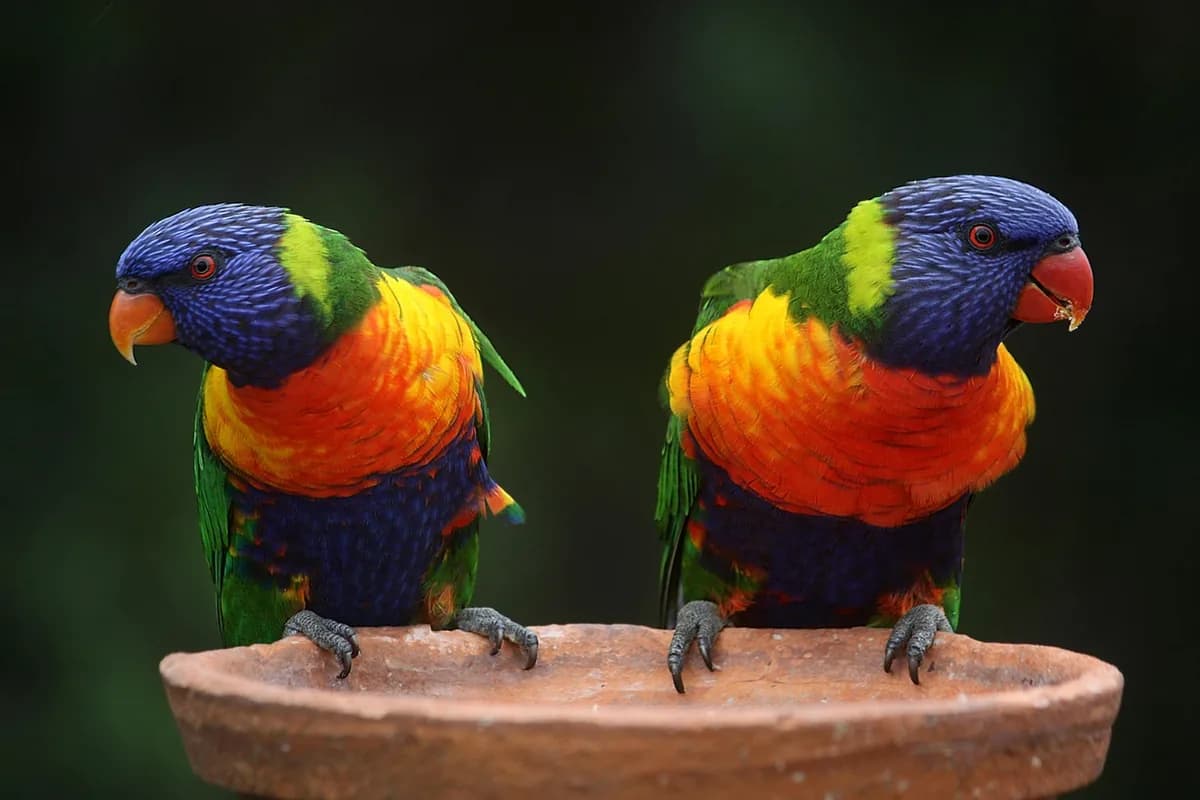
The Commitment of a Lifetime (and Beyond)
When you bring home a baby macaw or cockatoo, you're not just adding a pet to your family — you're potentially welcoming a feathered companion who might outlive you. This isn't meant to scare you, but it's a reality every parrot owner needs to face: many of our beloved birds will need care long after we're gone.
At Bird Sitting Toronto, we've cared for parrots whose original owners passed away decades ago, and we've helped families navigate the complex emotions of inheriting a bird they never expected. The truth is, a parrot's lifespan is both a blessing and a responsibility that extends far beyond what most people realize when they fall in love with that adorable baby bird at the pet store.
Parrot Lifespans: From Decades to Nearly a Century
The variation in parrot lifespans is remarkable, and understanding where your bird falls on this spectrum is crucial for planning their long-term care.
The Century Club: Longest-Living Species
Large Macaws (60-80+ years) Scarlet macaws, blue-and-gold macaws, and green-winged macaws are the marathon runners of the parrot world. We've met birds in their 70s who are still vibrant and engaging, and there are documented cases of macaws living well into their 80s. These magnificent birds often outlive their original owners and sometimes even their owners' children.
Cockatoos (60-80+ years) Umbrella cockatoos, moluccan cockatoos, and other large cockatoo species rival macaws for longevity. Their intelligence and emotional complexity make them incredible companions, but also means they form deep bonds that can be challenging to transfer when circumstances change.
The Long-Haul Companions
Amazon Parrots (50-70 years) Blue-fronted Amazons, yellow-naped Amazons, and their cousins typically live 50-70 years with proper care. We've boarded 40-year-old Amazons who are still in their prime, full of personality and sass.
African Grey Parrots (40-60 years) These incredibly intelligent birds often live 40-60 years, with some reaching their 70s. Their cognitive abilities mean they remember their original families for decades, which can make rehoming particularly challenging.
Eclectus Parrots (40-50 years) With their stunning sexual dimorphism and gentle personalities, eclectus parrots typically live 40-50 years, making them a multi-decade commitment.
Medium-Term Commitments
Conures (20-30 years) Sun conures, green-cheeked conures, and their relatives generally live 20-30 years — still a significant commitment that often spans major life changes.
Caiques and Pionus (25-30 years) These playful, medium-sized parrots fall into the 25-30 year range, meaning they'll likely be with you through career changes, moves, and family growth.
Shorter (But Still Significant) Lifespans
Cockatiels (15-25 years) These charming birds typically live 15-25 years, making them more manageable for families but still requiring long-term planning.
Lovebirds (10-15 years) Despite their small size, lovebirds live 10-15 years and form strong pair bonds that need consideration in their care.
Budgerigars (8-15 years) Budgies live 8-15 years on average, though with excellent care, some reach their late teens.
Finches (5-10 years) The shortest-lived of the commonly kept birds, finches typically live 5-10 years but bring joy throughout their shorter lives.
Lifespan Comparison Table
| Species | Average Lifespan | Maximum Recorded | Commitment Level |
|---|---|---|---|
| Large Macaws | 60-80+ years | 80+ years | Multi-generational |
| Cockatoos | 60-80+ years | 80+ years | Multi-generational |
| Amazon Parrots | 50-70 years | 70+ years | Lifetime+ |
| African Greys | 40-60 years | 70+ years | Lifetime |
| Eclectus | 40-50 years | 50+ years | Lifetime |
| Conures | 20-30 years | 35+ years | Long-term |
| Cockatiels | 15-25 years | 30+ years | Long-term |
| Lovebirds | 10-15 years | 20+ years | Medium-term |
| Budgies | 8-15 years | 20+ years | Medium-term |
| Finches | 5-10 years | 12+ years | Short-term |
Factors That Influence Lifespan
Your bird's actual lifespan depends on several critical factors, and the difference between excellent and poor care can literally add decades to their life.
Diet: The Foundation of Longevity
Quality Pellets and Fresh Foods A diet based on high-quality pellets supplemented with fresh vegetables, some fruits, and appropriate treats can add years to your bird's life. We've seen the dramatic difference proper nutrition makes in the birds we care for.
Avoiding Harmful Foods Chocolate, avocado, caffeine, and high-fat, high-salt foods can significantly shorten your bird's life. The good news is that most birds thrive on simple, wholesome foods.
Veterinary Care: Prevention is Everything
Regular Check-ups Annual or bi-annual vet visits catch problems early. Birds hide illness incredibly well, so professional monitoring is essential.
Specialized Avian Vets Working with a veterinarian experienced in avian medicine makes an enormous difference in both lifespan and quality of life.
Environment and Mental Health
Safe, Stimulating Surroundings A bird-proofed home free from toxins (like Teflon fumes, candles, and aerosols) combined with plenty of mental stimulation supports longevity.
Social Interaction Parrots are flock animals. Isolation and boredom can literally shorten their lives through stress and depression.
Genetics: The Wild Card
Some birds are simply blessed with good genes, while others may have genetic predispositions to certain conditions. This is largely out of your control, but excellent care can help any bird reach their genetic potential.
Important: Even with perfect care, individual birds vary widely. We've known budgies who lived to 18 and macaws who passed at 40. Focus on providing the best care possible rather than expecting specific lifespans.
Planning for Your Bird's Future
Here's the thing that many new parrot owners don't consider: what happens to your bird when you can't care for them anymore?
The Reality of Rehoming
In our experience boarding over 1,000 birds, we've seen that many long-lived parrots are rehomed multiple times throughout their lives. This isn't necessarily due to neglect — life happens. People move, develop allergies, have children, face financial hardships, or simply underestimate the commitment involved.
Common Reasons for Rehoming:
- Owner's death or serious illness
- Major life changes (divorce, job loss, new baby)
- Moving to housing that doesn't allow pets
- Developing allergies or health issues
- Behavioral challenges that overwhelm the owner
- Financial inability to provide proper care
Creating a Bird Trust or Will Provision
Legal Documentation Work with an attorney to create legal provisions for your bird's care. This isn't just for wealthy people — any parrot owner should have a plan.
Choosing Caregivers Identify potential caregivers and have honest conversations with them about the commitment. Don't assume family members will automatically take your bird.
Financial Planning Consider setting aside funds for your bird's future care. Large parrots can cost thousands annually in food, vet bills, and boarding when needed.
The Caregiver Conversation
Be Honest About the Commitment When discussing future care with potential guardians, be completely honest about the daily time commitment, costs, and challenges involved.
Introduce Potential Caregivers Early If possible, have your chosen caregiver spend time with your bird regularly so they can build a relationship before it becomes necessary.
The Multi-Decade Reality Check
What 40-80 Years Really Means
When you commit to a long-lived parrot, you're signing up for:
- Daily interaction and care for decades
- Thousands of dollars in veterinary bills over their lifetime
- Adjusting your living situation to accommodate their needs
- Finding bird-experienced care when you travel
- Potential behavioral challenges that may develop over time
- The emotional weight of knowing they may outlive you
Making It Work
Realistic Expectations Understand that your life will change dramatically over your bird's lifetime, and your bird's needs must factor into major decisions.
Building Support Networks Connect with other parrot owners, find reliable boarding services, and establish relationships with avian veterinarians.
Enjoying the Journey Despite the challenges, the bond with a long-lived parrot can be one of the most rewarding relationships you'll ever have. These birds become true family members with distinct personalities, preferences, and quirks.
Pro Tip: Start planning for your bird's future care from day one, not when you're facing a crisis. Having a plan in place reduces stress for both you and your bird.
Final Thoughts
Choosing a long-lived parrot species means embracing a commitment that extends far beyond typical pet ownership. It's a decision that affects not just your life, but potentially your children's lives and beyond. This isn't meant to discourage you — the joy, companionship, and love these remarkable birds bring is immeasurable. But it does mean approaching parrot ownership with eyes wide open to both the incredible rewards and the serious responsibilities involved.
Whether you're considering your first parrot or you're already years into the journey, remember that planning for their entire lifespan — including the possibility that they'll outlive you — is one of the most loving things you can do for your feathered family member.
Explore related topics
Related Articles
Best Talking Parrot Species Ranked: From Chatterbox to Silent Type
Which parrots actually talk? Here's an honest ranking with realistic expectations for each species.
Bourke's Parakeet: The Complete Care Guide for This Gentle Species
Bourke's parakeets are the calmest, quietest parrots you'll ever meet. Perfect for beginners and apartments.
Lineolated Parakeet: The Complete Care Guide for Linnies
Lineolated parakeets (linnies) are quirky, quiet, and surprisingly cuddly. Here's everything you need to know.