Common Health Issues in Indian Ringnecks and How to Prevent Them
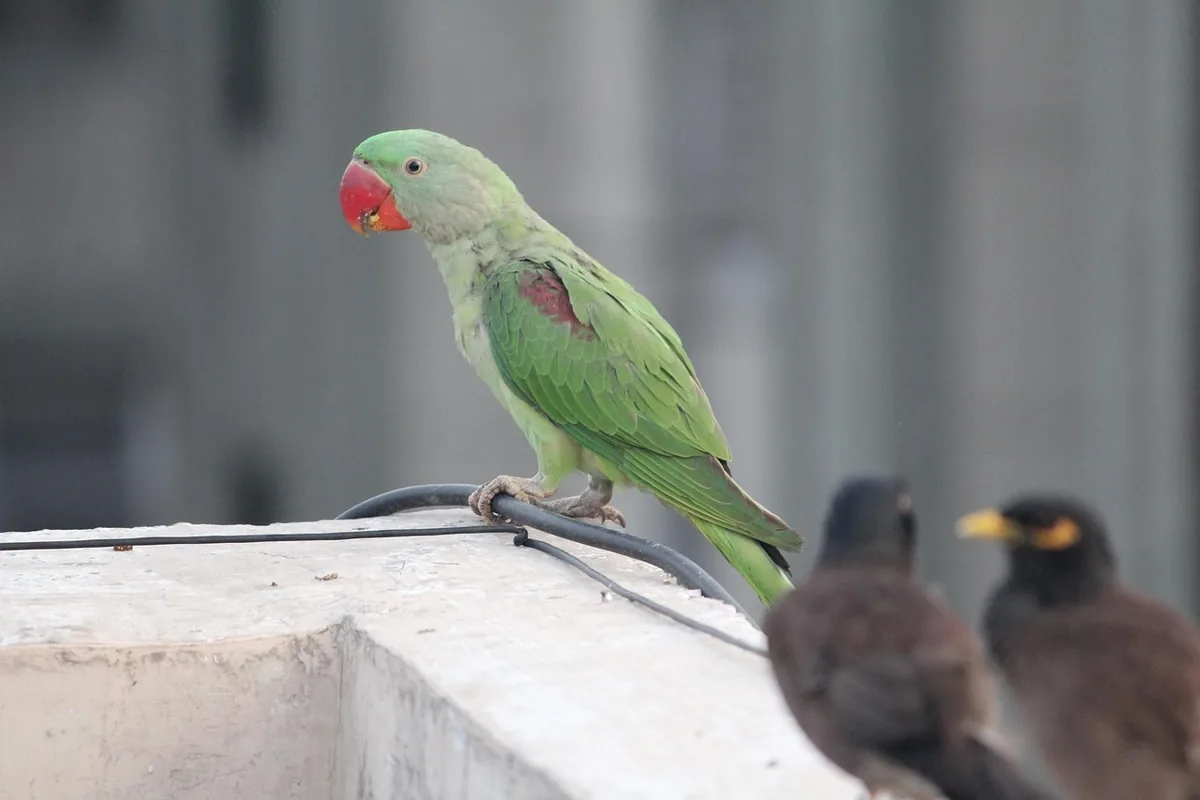
Indian Ringnecks are hardy birds when well kept, but like all parrots they are experts at hiding illness — a wild instinct that keeps a sick bird from looking like easy prey. By the time a ringneck looks obviously unwell, it is often genuinely sick. That makes two habits non-negotiable: knowing the specific conditions this species is prone to, and building a relationship with a qualified avian veterinarian before you have an emergency.
Annual Wellness Exams
Every Indian Ringneck should see an avian vet at least once a year, even when it seems perfectly healthy. A wellness visit gives you a baseline to compare against later and catches trouble while it is still treatable. A typical exam includes:
- A hands-on physical and an accurate weight in grams (healthy adults sit around 115–140 g).
- A look at feather condition, beak, nares, eyes, feet, and vent.
- Fecal testing and, where indicated, crop sampling.
- Bloodwork to check organ function — especially valuable in a species this prone to liver disease.
- A discussion of diet, weight trend, and any behavior changes you have noticed.
Tip: Weigh your bird at home on a gram scale weekly and keep a log. Steady weight is one of the earliest and most reliable health signals you have; a bird can lose 10–15% of its body weight before it looks thin under its feathers.
Conditions Indian Ringnecks Are Prone To
Psittacine Beak and Feather Disease (PBFD)
PBFD is a serious circovirus infection that Psittacula species can carry, and it is one of the most important diseases for ringneck keepers to know. It attacks feathers and beak keratin and suppresses the immune system. Signs include abnormal, clubbed, or bleeding developing feathers, progressive feather loss that does not regrow normally, and beak abnormalities. There is no cure, so prevention is everything: buy only from responsible sources, quarantine any new bird, and have new arrivals tested. A DNA blood test can screen for the virus.
Polyomavirus
Avian polyomavirus is another viral threat, particularly dangerous to young birds, where it can cause sudden death, delayed feather growth, and abnormal feathering. It spreads readily in crowded or poorly quarantined settings such as some breeder and pet-store environments. Prevention centers on sourcing, strict quarantine of new birds, and scrupulous hygiene; a vaccine exists and is worth discussing with your avian vet.
Aspergillosis
Aspergillosis is a fungal respiratory infection caused by Aspergillus mold, and ringnecks — like most parrots — are susceptible, especially when stressed, on a poor (vitamin-A-deficient) diet, or kept in damp, poorly ventilated, or dirty conditions. It is often slow and insidious: gradual changes in breathing or voice, exercise intolerance, tail bobbing, and vague "not thriving." Prevention means good ventilation, dry and clean housing, avoiding moldy seed or bedding, and a proper vitamin-A-rich diet.
Fatty Liver Disease (Hepatic Lipidosis)
This is the classic "pet-parrot" disease of the ringneck, driven by seed-heavy diets, too many nuts and fatty treats, and too little exercise. The liver becomes infiltrated with fat and stops working properly. Warning signs include obesity, an overgrown or flaky beak, black spots on the beak or nails, poor feather quality, and later lethargy or green droppings. It is largely preventable — build the diet on pellets and vegetables (see our diet guide), keep seeds and nuts to about 5% as treats, and give the bird real daily exercise.
Feather-Destructive Behavior (Plucking)
Ringnecks can become chronic feather-pluckers. It may be medical (infection, PBFD, allergy, skin irritation, low humidity, nutritional deficiency) or behavioral (boredom, stress, lack of sleep, hormonal frustration, a change in routine). Because the causes overlap, always have a vet rule out physical disease first. On the husbandry side, provide abundant foraging and shredding enrichment, generous out-of-cage time, 10–12 hours of dark sleep, and stable humidity of 40–60% — genuinely important in a dry Toronto winter with the furnace running.
Respiratory Irritation and Airborne Toxins
Birds have extraordinarily efficient respiratory systems, which also makes them exquisitely vulnerable to airborne poisons. Fumes from overheated non-stick (PTFE/Teflon) cookware can kill a bird within minutes and with no warning. Scented candles, air fresheners, aerosols, smoke, and strong cleaning products are all hazards. Keep the bird well away from the kitchen, ventilate, and consider a HEPA air purifier near the cage.
General Signs of a Sick Bird
Learn these; any one of them warrants a closer look, and several together warrant a call to the vet.
| Category | What to watch for |
|---|---|
| Posture & energy | Fluffed for long stretches, sleeping excessively, sitting low, reluctance to move |
| Breathing | Tail bobbing with each breath, open-mouth breathing, clicking, wheezing |
| Droppings | Change in color, consistency, or volume; blood; undigested seed |
| Appetite | Eating or drinking much less (or much more); not eating at all |
| Face & feathers | Discharge from nares or eyes, crusty cere, dull or damaged feathers, plucking |
| Behavior | Withdrawal, loss of talking/song, new clumsiness or imbalance |
When It Is an Emergency
Call an avian vet immediately — do not wait for morning — if you see:
- Sitting on the cage floor and unable to perch.
- Labored breathing, open-mouth breathing, or continuous tail bobbing.
- Bleeding from anywhere (a broken blood feather, a nail, or the beak).
- Seizures, loss of balance, or collapse.
- Complete refusal to eat for more than a few hours (a small bird can decline very fast) or no droppings.
- Any known toxin exposure — non-stick fumes, avocado, chocolate, a toxic plant.
A Brief Word on Home First Aid
Home first aid is for stabilizing on the way to the vet, not replacing it. Keep a simple avian first-aid kit: styptic powder or cornstarch (for a bleeding nail or beak — never on skin), clean gauze, a towel for gentle restraint, and a small carrier. For a bird that is cold, weak, or shocky, warmth is the priority: move it to a quiet, dim, warm space around 29–32°C (85–90°F) and get to a vet. If a blood feather is broken and bleeding, apply firm pressure with cornstarch; persistent bleeding from a blood feather is an emergency because a small bird has very little blood to spare.
At Bird Sitting Toronto, where we board hundreds of birds every year, the healthiest ringnecks we see share the same three things: a pellet-and-veg diet, a keeper who weighs them and notices small changes, and an avian vet already on speed dial. Set those up now, before you ever need them.
Explore related topics
Related Articles
Aspergillosis in Birds: The Invisible Fungal Killer
Aspergillosis is one of the most common and deadly avian diseases. It's caused by a fungus that's everywhere in our environment.
The Avian First Aid Kit: 25 Essential Supplies Every Bird Owner Needs
When an emergency happens, you need supplies ready NOW. Here's what every bird owner should have on hand.
Bird Insurance: Is It Worth It? A Complete Guide to Avian Pet Insurance
A single emergency vet visit can cost $2000+. Pet insurance for birds exists — here's whether it's worth the premium.