Improving Indoor Air Quality for a Healthier Parrot
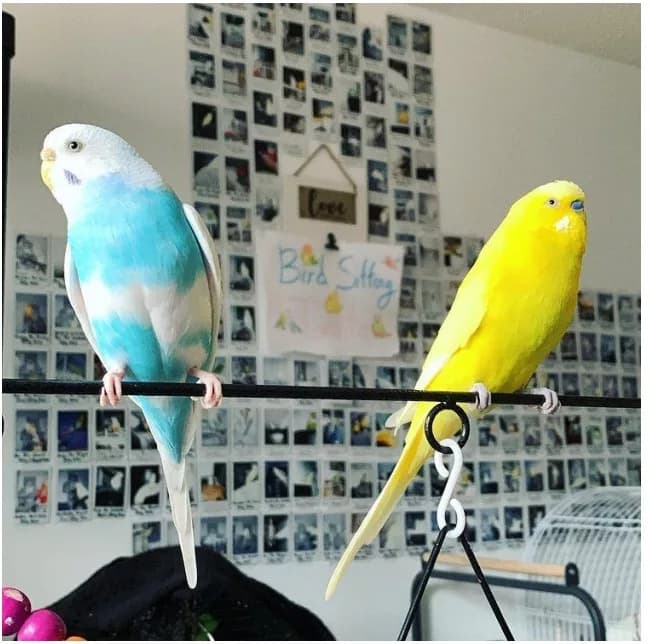
Parrots evolved to breathe the fresh, moving air of open tropical forests, far from the pollutants that build up inside a modern home. Ours are different environments entirely. The air in many houses carries allergens, dust, mould spores, and a steady drift of chemical fumes — and every one of those can quietly wear on your bird's health. In Toronto, the risk peaks in winter, when we seal the windows for months and the same indoor air recirculates through a furnace day after day.
The reason birds are so vulnerable comes down to how they breathe. According to the Merck Veterinary Manual, birds do not use a simple in-and-out lung like ours. Air flows through a network of air sacs and unidirectional passages so that fresh air moves across the gas-exchange surfaces on both inhalation and exhalation. That design makes birds superb extractors of oxygen — and, unfortunately, superb extractors of whatever else is floating in the air. A small parrot may take on the order of 40 breaths per minute at rest, cycling far more air through its body, pound for pound, than you do. This is exactly why canaries were once carried into coal mines: they showed the effects of a bad atmosphere long before the miners did.
At Bird Sitting Toronto, where we board hundreds of birds every year, the boarding room is the quietest, most fragrance-free space we keep — no aerosols, no scented cleaners, no candles. You can apply the same thinking at home.
Common Household Items That Can Harm Your Bird
Most household air hazards fall into a handful of familiar categories. The table below pairs each one with the reason it matters and a bird-safer swap you can make today.
| Hazard | Why it is dangerous | Bird-safer alternative |
|---|---|---|
| Non-stick (PTFE / "Teflon") pans, self-cleaning ovens, some irons and space heaters | Overheated non-stick coatings release fumes that can kill a bird within minutes, often with no warning | Stainless steel, cast iron, or ceramic cookware; PTFE-free small appliances |
| Tobacco, cannabis, and vape smoke | Fine particulates plus nicotine residue irritate airways and coat feathers | Smoke outdoors, well away from the bird, and wash hands before handling |
| Aerosols — hairspray, perfume, deodorant, air freshener, fabric spray | Propellants and volatile fragrance chemicals hang in the air the bird then breathes | Pump bottles and unscented products, applied in a closed, bird-free room |
| Scented candles, incense, wax melts, plug-in fresheners | Soot and volatile organic compounds (VOCs) with no ventilation benefit | Open a window or run a purifier instead of masking odours |
| Cleaners with ammonia or bleach | Harsh fumes irritate the respiratory tract; mixing them can produce toxic gas | Bird-safe cleaners, diluted vinegar, or plain steam |
| New carpet, flooring, and fresh paint | Off-gas formaldehyde and other VOCs for days to weeks | Low-VOC products, thorough ventilation, and the bird kept elsewhere |
| Wood-burning stoves, kerosene heaters, gas appliances | Carbon monoxide and combustion particulates, worse in a sealed winter home | Properly vented, well-maintained heating plus a working CO detector |
For a fuller list of hidden threats around the house, see our guide to common household dangers for parrots.
Warning: Learn the signs of respiratory distress and treat them as an emergency. Tail-bobbing with each breath, open-mouth or heaving breathing, a clicking or wheezing sound, or a bird sitting fluffed on the cage floor all mean something is wrong. If you suspect overheated non-stick fumes, move your bird into fresh air first, then get to an avian veterinarian immediately.
Tips for Maintaining Clean Indoor Air
Cleaner air is less about one gadget and more about a set of steady habits:
- Remove or relocate the worst offenders — put away chemical aerosols and skip scented products in rooms your bird uses.
- Run a HEPA air purifier near the cage and change its filter on schedule to pull dust, dander, and feather particulates out of the air.
- Clean humidifiers, air conditioners, and furnace filters regularly so they do not become mould reservoirs.
- Choose bird-safe cleaners for everyday wiping and mopping.
- Never smoke indoors while birds are present — smoke outside, away from windows.
- Ventilate generously after painting or installing new flooring, and keep your bird in a separate, well-aired space for at least a week.
- Store paint, fuel, and solvents in sealed containers outside the living area, ideally in a garage or shed.
- Service your furnace annually and keep a carbon monoxide detector on every level — a non-negotiable in a closed-up Canadian winter.
Tip: The kitchen concentrates the most serious airborne hazards — non-stick fumes, smoke, aerosol sprays. The single easiest upgrade is to house your bird in a different room entirely and keep the door closed while you cook.
Natural Air Purification with Houseplants
The often-cited 1989 NASA Clean Air Study found that several common houseplants can absorb chemicals such as formaldehyde, benzene, and trichloroethylene under sealed laboratory conditions. In a real, ventilated home the effect is modest — think of plants as a pleasant supplement, not a substitute for ventilation and a good purifier.
Two cautions matter for bird owners. First, many popular "air-cleaning" plants are toxic to parrots if nibbled, so confirm every species against our list of safe houseplants for parrots before bringing it home. Second, keep plants and their soil out of a curious bird's reach regardless.
Improving your home's air quality is one of those changes that benefits everyone under the roof. A few mindful habits give your parrot a safer, cleaner, and genuinely healthier living environment — and, quietly, they clean up the air you breathe too.
Explore related topics
Related Articles
Aspergillosis in Birds: The Invisible Fungal Killer
Aspergillosis is one of the most common and deadly avian diseases. It's caused by a fungus that's everywhere in our environment.
The Avian First Aid Kit: 25 Essential Supplies Every Bird Owner Needs
When an emergency happens, you need supplies ready NOW. Here's what every bird owner should have on hand.
Bird Insurance: Is It Worth It? A Complete Guide to Avian Pet Insurance
A single emergency vet visit can cost $2000+. Pet insurance for birds exists — here's whether it's worth the premium.