How to Keep Your Exotic Bird Healthy, Safe, and Warm This Winter
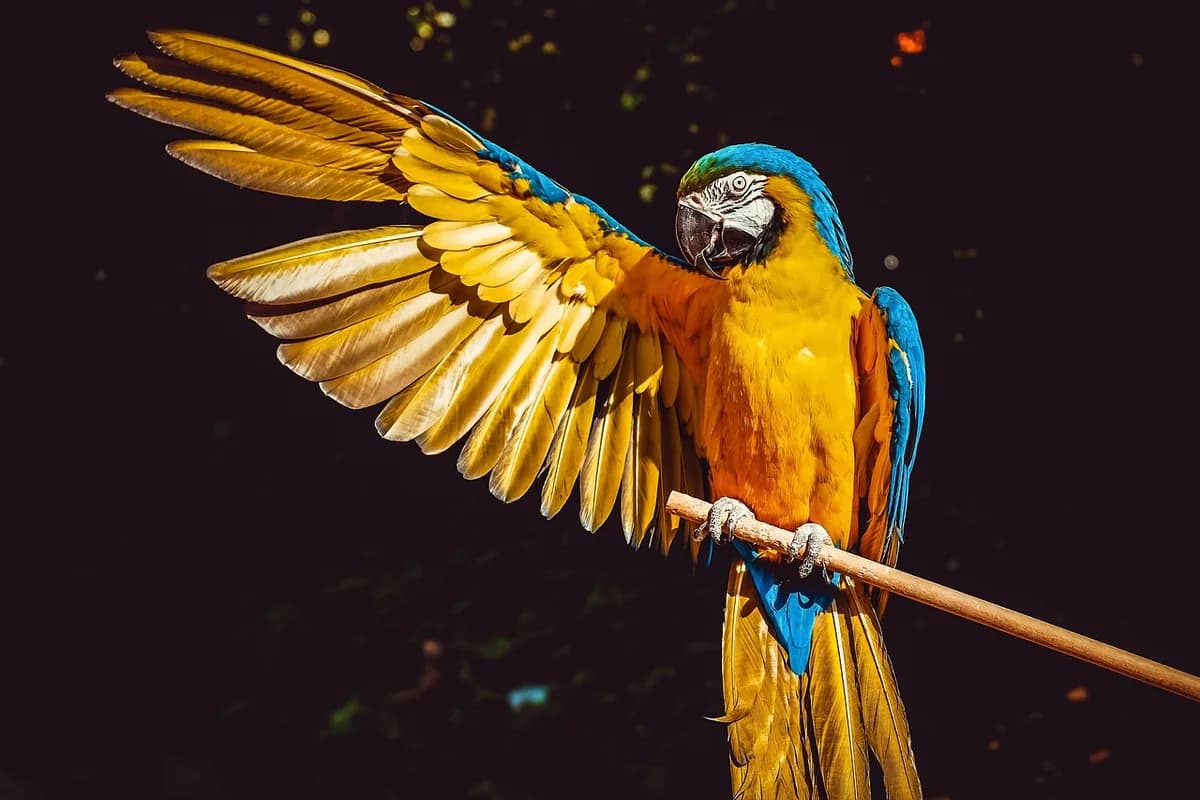
If your bird's ancestors came from the rainforests of Central America, West Africa, or Southeast Asia, a Canadian winter is a long way from home. At Bird Sitting Toronto, where we board hundreds of birds through the coldest months of the year, the season's real dangers are rarely the ones owners worry about most. It is not usually the cold itself that harms a healthy parrot — it is the sudden draft, the tinder-dry furnace air, and the shrinking daylight that quietly pull a bird's health off balance. Manage those three, and your companion will sail through winter comfortably.
Why Winter Is Hard on Tropical Birds
Most exotic birds evolved in warm, humid, day-length-stable climates. A healthy, well-feathered pet bird is far more adaptable than people assume — avian veterinary consensus, echoed by resources like the Merck Veterinary Manual and VCA Animal Hospitals, holds that a gradual seasonal cooling is tolerated well, while a sudden temperature drop or a persistent draft is the genuine risk. The problem is the speed of the change, not the change itself.
A bird's feathers are a remarkable insulation system. The outer contour feathers shed drafts and moisture, while the fluffy down layer underneath traps a pocket of warm air against the skin. When you see a bird fluff up and tuck one foot into its belly feathers, it is doing exactly what it would do on a cool morning in the wild. Birds that pluck or barber their feathers have gaps in that coat, so they feel the cold sooner and need extra warmth and a vet's attention.
Prolonged chilling forces the body to burn energy just to hold its core temperature, which taxes the immune system and leaves a bird more open to the respiratory infections it might otherwise shrug off. Add the very dry, dusty air of a forced-air home and you have a recipe for irritated airways.
Tip: A comfortable indoor range for most companion parrots is roughly 18–24°C (65–75°F), close to what you find comfortable yourself. Birds acclimate to their own home over weeks — a bird kept a little cooler all winter is fine, provided the temperature stays steady and draft-free.
Keeping the Warmth In
The single most effective thing you can do is control drafts and stabilize the temperature around the cage — no gadget replaces good placement.
Place the cage well
Move the cage away from exterior windows, exterior doors, and any heating vent that blows directly on it. A spot against an interior wall, at chest height or higher (warm air rises, and floor level is the coldest and draftiest zone), keeps your bird out of the cold currents that pour off cold glass at night.
- Cover at night. A breathable cage cover or a thick blanket over three sides retains warmth and signals bedtime. Leave one side open for airflow.
- Offer a cozy retreat. In the wild many species roost together for warmth. A fleece tent or snuggle hut gives a solo bird somewhere to tuck in — but check hormonal, chew-prone, and plucking birds daily for frayed threads that can trap toes.
- Warm the feet. Unfeathered feet and legs are a genuine route of heat loss. A thermal perch gives a bird a warm place to stand on the coldest nights; mount it as one option among natural-wood perches, never the only one.
Use heat safely
If a room genuinely runs cold, a bird-safe space heater or a ceramic heat-emitter lamp can add gentle warmth. Position any heat source well out of beak's reach, never inside or against the cage, and never leave a bird able to overheat with no cooler spot to move to.
Warning: Non-stick cookware, self-cleaning ovens, some space heaters, and certain heat lamps and irons are coated in PTFE (Teflon). When overheated, PTFE releases fumes that are invisible, odourless, and rapidly fatal to birds. Only use heaters explicitly sold as PTFE-free, and keep your bird out of the kitchen. Supervise any fireplace and make sure smoke and carbon-monoxide detectors are working in bird areas.
Managing Dry Air and Short Days
Humidity
Forced-air furnaces can drive indoor humidity down to 15–25% in a Toronto January — desert-dry for a rainforest species. Chronically dry air irritates the airways, worsens dander, and can leave skin and feathers brittle. Aim to bring the bird's room back toward 40–50% relative humidity with a clean humidifier (empty and rinse it daily to prevent mould and bacteria). A warm morning shower, a gentle misting, or access to a bath also helps birds condition their feathers. If your bird develops dry-air symptoms, review our guide to common respiratory issues in parrots.
Light
Day length, not temperature, is a bird's master clock. Toronto swings from more than 15 hours of daylight in June to under 9 hours around the winter solstice, and that collapse can disrupt sleep, mood, and hormones. Keep a predictable schedule of roughly 10–12 hours of light and a solid, quiet 10–12 hours of dark. A full-spectrum bird lamp on a timer helps replace the sunlight lost to short, grey days.
Air quality
Sealed winter homes trap fumes. Skip aerosol air fresheners, scented candles, and harsh chemical cleaners near your bird, and crack a window for fresh air on milder days. See our guide to a safe home environment for your parrot for the full list.
Feeding for the Cold Season
Holding core temperature costs energy, so a slightly cool bird may eat a little more in winter — meet that with quality, not junk. For most parrots the year-round foundation stays the same: a good-quality pellet as roughly 75–80% of the diet, 20–25% fresh vegetable-forward foods (leafy greens, squash, peppers, a little fruit), and only about 5% seeds and nuts as treats. In winter, a few extra nuts or seeds are a reasonable warm-weather-style treat for a bird burning more energy — just keep them a treat, not the meal.
A few species eat differently: lorikeets need a specialized nectar diet rather than pellets (and do best avoiding high-iron foods); eclectus are additive-sensitive and thrive on a whole-food, veg-forward menu; and finches and canaries do well on a quality seed mix supplemented with greens and egg food. Warm, soft foods like a spoonful of cooked mash or warmed (never hot) chop are also a nice cold-morning offering.
Warning: Cold weather does not change what is toxic. Keep these away from birds year-round: avocado (persin), chocolate (theobromine), caffeine, alcohol, onion and garlic, fruit pits and apple seeds (cyanogenic), excess salt, uncooked beans, and mushrooms. Hookbill parrots do not need grit — it can cause crop impaction.
Know the Warning Signs
Because birds instinctively hide illness, a chilled or sick bird can look "fine" until it is seriously unwell. Learn your bird's normal so you can spot the shift early.
| What to watch | Comfortable bird | Chilled or unwell bird |
|---|---|---|
| Posture | Alert, upright, active | Hunched, fluffed for long stretches, tail bobbing |
| Feet | One tucked up now and then | Both feet tucked constantly, standing on the cage floor |
| Breathing | Quiet, effortless | Tail bobbing, open-beak breathing, clicking or wheezing |
| Appetite | Eating and foraging normally | Refusing food, weight loss, less droppings |
| Energy | Playing, vocalizing, preening | Lethargic, eyes closing, sitting on the floor |
Tip: A gram scale is the single best winter monitoring tool. Weigh your bird at the same time each morning; a steady drop of a few percent of body weight often shows up before any visible symptom.
If you notice fluffed-up lethargy, laboured breathing, a bird sitting on the cage floor, or any sudden change, warm the bird gently and contact an avian veterinarian promptly — do not wait it out. You can find a qualified avian vet through the Association of Avian Veterinarians (AAV) directory.
With a draft-free warm spot, some added humidity, steady light, and a solid diet, your bird can stay every bit as healthy and content in a Toronto winter as it is in July.
Explore related topics
Related Articles
Aspergillosis in Birds: The Invisible Fungal Killer
Aspergillosis is one of the most common and deadly avian diseases. It's caused by a fungus that's everywhere in our environment.
The Avian First Aid Kit: 25 Essential Supplies Every Bird Owner Needs
When an emergency happens, you need supplies ready NOW. Here's what every bird owner should have on hand.
Bird Insurance: Is It Worth It? A Complete Guide to Avian Pet Insurance
A single emergency vet visit can cost $2000+. Pet insurance for birds exists — here's whether it's worth the premium.