Common Finch Health Issues and How to Prevent Them
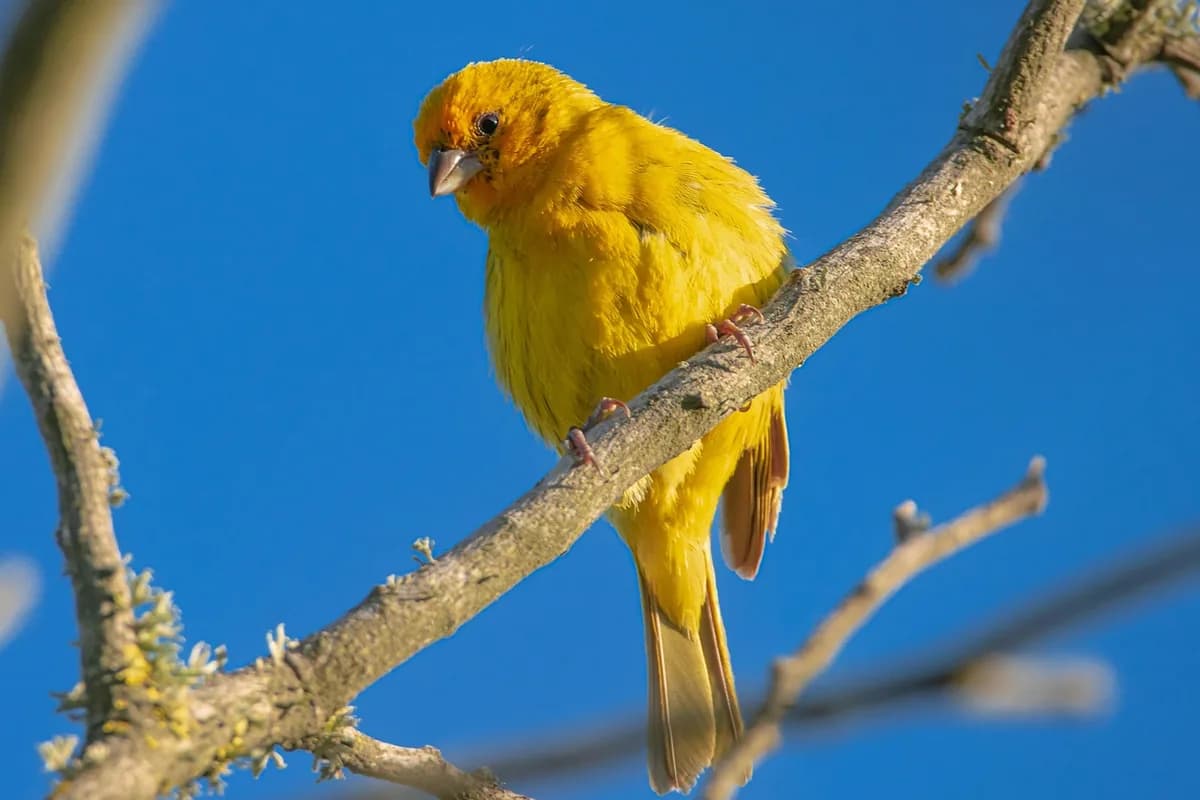
Finches are tough, energetic little birds, but their size is also their vulnerability. A bird weighing 10–30 g has almost no reserves, and as prey animals they instinctively hide illness until they are seriously unwell. That means finch health care is really about two things: prevention, and catching subtle changes early. This guide covers the conditions finches genuinely get, how to read a sick bird, and when a fluffed-up finch has become an emergency.
First, Know Your Well Bird
You cannot spot "off" if you don't know "normal." A healthy finch is sleek-feathered, bright-eyed, constantly active, singing or contact-calling, eating often, and holding good weight over the breastbone (keel). Because these birds mask disease, the earliest warning is usually general: a bird that fluffs up and sits still, goes quiet, stops flying, or is pushed to the edge of the flock. Weigh birds on a gram scale when you can — a drop of even a gram or two is a meaningful signal in a creature this small.
The Conditions Finches Actually Get
Air-sac mites
A serious, finch-specific parasite (especially common in Gouldian and society finches) that infests the airways and air sacs. Signs include clicking or wheezing sounds while breathing, tail-bobbing, open-beak breathing, loss of voice, and gasping after flight. It is progressive and can be fatal without treatment. An avian vet diagnoses it and prescribes the appropriate antiparasitic — do not rely on pet-store "mite sprays," which do nothing for internal mites.
Scaly leg and scaly face mites
Knemidokoptes mites burrow into the skin, producing crusty, honeycombed deposits on the legs, feet, around the beak and eyes. Left untreated they cause thickened legs, beak deformity and lameness. It is treatable by a vet and is contagious within a flock, so treat affected birds and disinfect the cage.
"Going light" (avian gastric yeast / megabacteria)
"Going light" describes a finch that keeps eating but steadily loses weight and wastes away over the keel, often passing whole or undigested seed and fluffing up. A frequent cause is avian gastric yeast (AGY, Macrorhabdus — historically "megabacteria"), which damages the digestive tract. Because the bird looks hungry while starving, owners often miss it until the finch is thin. It needs veterinary diagnosis (a fecal or crop sample) and specific treatment.
Coccidiosis and intestinal parasites
Coccidia and worms spread through droppings in the cage and cause diarrhea, loose or bloody droppings, weight loss and lethargy, particularly in crowded or poorly cleaned housing. Good hygiene prevents most cases; a vet confirms it on a fecal test and treats accordingly.
Egg-binding
A hen straining to pass an egg is an acute emergency. Signs include sitting fluffed on the cage floor, straining, a swollen abdomen, weakness and a wide-legged stance. It is driven by calcium deficiency, chronic laying and cold — which is why cuttlebone and egg food matter for laying hens (see the diet guide). A bound hen can die within hours; warmth and an immediate vet visit are essential.
Overgrown beak and nails
Overgrown nails snag on cage fibers and toys; an overgrown or misshapen beak can point to liver disease, scaly-face mites or poor diet. Provide varied-diameter natural perches and a cuttlebone, and have a vet or experienced groomer trim overgrowth — never cut into the quick yourself.
Warning: Never medicate a finch by adding "cure-all" tonics to the water on a hunch. At 10–30 g, dosing is delicate and guesswork can poison the bird. Get a real diagnosis from an avian vet before treating.
General Signs of a Sick Finch
Any of these means take a closer look, and several together means call the vet:
- Persistent fluffed feathers and sitting low or on the cage floor
- Loss of appetite, or eating without keeping weight on
- Tail-bobbing, clicking, wheezing or open-beak breathing
- Diarrhea, or a change in droppings' color, volume or consistency
- Discharge from eyes or nostrils, or crusting around the face
- Lethargy, closed eyes during the day, or being pushed out of the flock
Wellness Care and Prevention
Finches don't need vaccines, but they benefit from a check with an avian vet — a good baseline exam and a fecal screen, plus prompt attention when something looks wrong. Prevention does most of the work:
- Quarantine every new bird for at least 30 days, away from your existing flock, to keep out air-sac mites, AGY and parasites.
- Keep housing clean: daily water changes, prompt removal of spoiled fresh food, and weekly deep-cleans of cage, perches and dishes break parasite cycles.
- Feed for resilience: a balanced diet with cuttlebone for calcium (see the diet guide) prevents deficiency, poor feathering and egg-binding.
- Protect the air: finches share the parrot vulnerability to fumes — never run non-stick (PTFE/Teflon) cookware, scented candles, aerosols or self-cleaning ovens near them.
- Manage the environment: steady room temperature, no drafts, 10–12 hours of quiet dark sleep, and in Toronto's dry heated winters a little added humidity to protect airways and skin.
When It Is an Emergency
Contact an avian veterinarian immediately if you see:
- Labored, open-beak or tail-bobbing breathing
- A hen straining or sitting fluffed on the floor (suspected egg-binding)
- Bleeding from a broken blood feather, nail or any wound
- A bird that has stopped eating, or is on the cage floor and unable to perch
- Fluffed, lethargic and unresponsive — a finch fading fast
Brief Home First Aid
While you arrange a vet, your job is warmth and calm, not treatment. Move the bird to a quiet, dimly lit hospital setup and gently warm it to around 29–30 °C (85 °F) using a heat source on one side so it can move away if too warm — hypothermia kills sick finches quickly. Offer familiar food and water within easy reach. For a bleeding nail or feather tip, apply gentle pressure or cornstarch. Then get to the vet: at this size, "wait and see" is rarely a safe plan.
Explore related topics
Related Articles
Aspergillosis in Birds: The Invisible Fungal Killer
Aspergillosis is one of the most common and deadly avian diseases. It's caused by a fungus that's everywhere in our environment.
The Avian First Aid Kit: 25 Essential Supplies Every Bird Owner Needs
When an emergency happens, you need supplies ready NOW. Here's what every bird owner should have on hand.
Bird Insurance: Is It Worth It? A Complete Guide to Avian Pet Insurance
A single emergency vet visit can cost $2000+. Pet insurance for birds exists — here's whether it's worth the premium.