Feather Destructive Behavior: Medical vs Behavioral Causes — A Veterinary Perspective
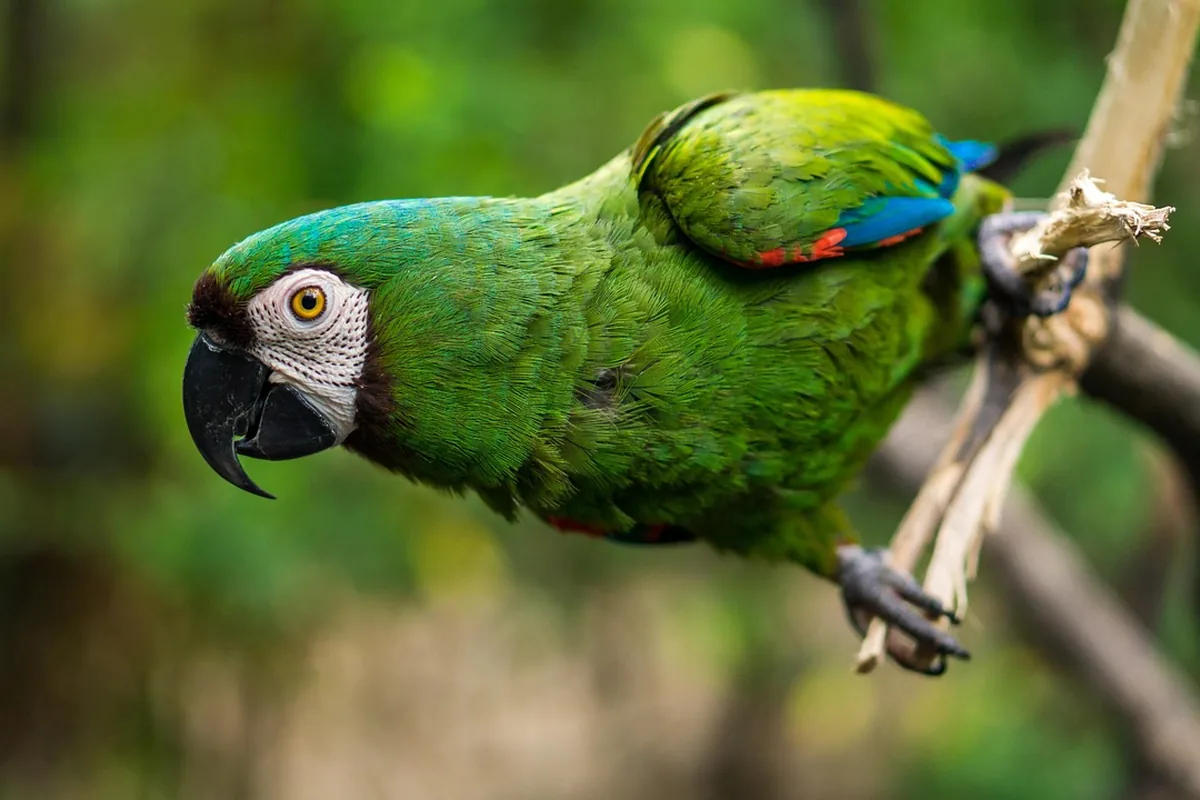
When Your Bird's Beautiful Feathers Start Disappearing
Watching your beloved bird pluck, chew, or destroy their feathers is heartbreaking. As someone who's worked with over 1,000 birds through Bird Sitting Toronto, I've seen countless cases of feather destructive behavior (FDB), and here's what I want you to know: it's rarely simple, and it's never just "behavioral" until you've ruled out medical causes.
The frustrating truth is that feather destruction can look identical whether it's caused by a painful skin infection or anxiety from boredom. Your bird can't tell you if they're itchy, in pain, or just stressed — which is why a proper veterinary workup is absolutely essential before assuming your bird is "just being difficult."
Understanding the Two Main Categories
Feather destructive behavior falls into two overlapping categories: medical and behavioral. But here's the thing — many cases involve both components, which is why treatment often requires a multi-faceted approach.
Medical Causes: When Your Bird's Body is the Problem
Medical causes of feather destruction are surprisingly common and often completely treatable once properly diagnosed. These physical conditions create discomfort, pain, or irritation that drives your bird to pluck or chew their feathers.
Infectious Diseases:
- Psittacine Beak and Feather Disease (PBFD): This viral disease affects feather development and can cause abnormal, brittle feathers that birds may chew or pluck
- Polyomavirus: Can cause feather abnormalities and secondary bacterial infections
- Bacterial or fungal skin infections: Create intense itching and irritation
- Internal parasites: Intestinal worms can cause nutritional deficiencies affecting feather quality
- Giardia: This microscopic parasite causes digestive issues that can manifest as feather problems
Systemic Health Issues:
- Heavy metal toxicity: Lead or zinc poisoning can cause neurological symptoms including repetitive behaviors
- Liver disease: Affects protein metabolism essential for healthy feather growth
- Thyroid disease: Disrupts normal feather development cycles
- Kidney disease: Can cause skin irritation and poor feather quality
Environmental and Dietary Triggers:
- Food allergies: Certain proteins or additives can cause skin reactions
- Environmental allergies: Dust, cleaning products, or air fresheners can irritate sensitive skin
- Nutritional deficiencies: Lack of essential amino acids, vitamins, or minerals affects feather quality
- Dry air: Low humidity can cause itchy, irritated skin
Important: Many medical conditions cause no other obvious symptoms — your bird may eat normally, play actively, and seem healthy while suffering from an underlying condition causing their feather destruction.
Behavioral Causes: When Your Bird's Mind is the Problem
Behavioral feather destruction stems from psychological or environmental stressors. These cases often develop gradually and can become deeply ingrained habits.
Primary Behavioral Triggers:
- Boredom: Lack of mental stimulation leads to destructive self-directed behaviors
- Anxiety: Changes in routine, environment, or family dynamics create stress
- Hormonal fluctuations: Seasonal breeding behaviors can trigger over-preening
- Over-bonding: Excessive attachment to one person can cause anxiety when separated
- Learned habit: Once started, feather destruction can become a compulsive behavior
Environmental Stressors:
- Inadequate sleep (less than 10-12 hours of darkness)
- Poor cage placement (too much activity, not enough security)
- Lack of foraging opportunities
- Insufficient social interaction or too much overwhelming stimulation
- Changes in household routine or family members
The Essential Diagnostic Workup
Before assuming your bird's feather destruction is behavioral, a thorough veterinary examination is non-negotiable. In our experience working with avian veterinarians, we've seen too many cases where "behavioral" plucking was actually an undiagnosed medical condition.
Complete Blood Panel
A comprehensive blood panel reveals crucial information about your bird's internal health:
- Complete Blood Count (CBC): Detects infections, anemia, or immune system problems
- Blood chemistry panel: Evaluates liver, kidney, and protein levels
- Heavy metal testing: Screens for lead and zinc toxicity
- Protein electrophoresis: Identifies chronic infections or inflammatory conditions
Skin and Feather Analysis
Skin scraping and cytology:
- Identifies bacterial, fungal, or parasitic infections
- Reveals inflammatory changes in skin cells
- Detects mites or other external parasites
Feather biopsy:
- Examines feather follicles for infection or damage
- Identifies viral particles (like PBFD)
- Assesses the health of feather-producing tissue
Imaging Studies
Radiographs (X-rays):
- Rule out internal masses or organ enlargement
- Detect heavy metal objects in the digestive tract
- Evaluate overall body condition and organ placement
Comprehensive History Taking
Your avian veterinarian will need detailed information about:
- Diet: Exact foods, treats, and supplements
- Environment: Cage setup, lighting, humidity, cleaning products used
- Routine: Daily schedule, sleep patterns, interaction time
- Recent changes: New foods, cage moves, family changes, other pets
- Progression: When the behavior started, which areas are affected, timing patterns
Pro Tip: Keep a feather destruction diary for a week before your vet visit. Note when plucking occurs, what might trigger it, and any patterns you observe. This information is invaluable for diagnosis.
Why You Must See an Avian Veterinarian First
Here's what we've learned from years of working with birds: assuming feather destruction is behavioral without proper medical testing often leads to months of ineffective treatment while an underlying medical condition worsens.
Consider these real scenarios we've encountered:
- A "bored" cockatoo who was actually suffering from giardia — the intestinal discomfort was driving the plucking behavior
- An "anxious" African grey whose blood panel revealed severe liver disease affecting feather quality
- A "hormonal" conure who had a bacterial skin infection creating intense itching
The consequences of missing medical causes:
- Prolonged suffering for your bird
- Wasted time and money on ineffective behavioral interventions
- Potential progression of treatable medical conditions
- Development of secondary behavioral components as the habit becomes established
Warning: Even if your bird has plucked before and stopped, new episodes should always prompt medical evaluation. Birds can develop new conditions, and previous behavioral plucking can mask new medical issues.
The Combined Approach: Addressing Both Components
In our experience, the most successful treatment plans address both potential medical and behavioral components simultaneously, especially in long-standing cases.
Medical Management
Once medical causes are identified and treated:
- Follow medication protocols exactly as prescribed
- Monitor for improvement in feather quality and regrowth
- Maintain regular follow-up appointments
- Address nutritional deficiencies with appropriate supplements
Behavioral Modification
Even when medical causes are treated, behavioral interventions support recovery:
Environmental enrichment:
- Provide varied foraging opportunities throughout the day
- Rotate toys regularly to maintain novelty
- Ensure adequate sleep in a quiet, dark environment
- Maintain consistent daily routines
Stress reduction:
- Identify and minimize environmental stressors
- Provide secure, elevated perching areas
- Maintain appropriate humidity levels (50-60%)
- Use positive reinforcement training to build confidence
Habit interruption:
- Redirect plucking behaviors to appropriate activities
- Provide safe, destructible materials for chewing
- Increase interaction during typical plucking times
- Consider temporary protective measures if recommended by your vet
Creating a Comprehensive Treatment Plan
Successful management of feather destructive behavior requires patience and a multi-pronged approach:
- Complete medical workup with an experienced avian veterinarian
- Treat identified medical conditions with appropriate medications or dietary changes
- Implement environmental modifications to reduce stress and increase enrichment
- Monitor progress with regular photos and behavioral notes
- Maintain long-term follow-up with your veterinary team
Pro Tip: Take photos of affected areas weekly to track progress. Feather regrowth is slow, and photos help you see improvements that might not be obvious day-to-day.
Final Thoughts
Feather destructive behavior is one of the most complex challenges in avian medicine, precisely because it can stem from so many different causes. The key to successful treatment lies in thorough medical evaluation before assuming the problem is behavioral.
Remember, your bird isn't choosing to destroy their beautiful feathers out of spite or stubbornness. Whether the cause is medical, behavioral, or both, they need your patience and professional veterinary care to find relief.
Working with an experienced avian veterinarian from the start gives your bird the best chance for a full recovery and a return to their naturally beautiful, healthy plumage. The investment in proper diagnosis is always worth it — both for your bird's wellbeing and for your peace of mind.
Explore related topics
Related Articles
Aspergillosis in Birds: The Invisible Fungal Killer
Aspergillosis is one of the most common and deadly avian diseases. It's caused by a fungus that's everywhere in our environment.
The Avian First Aid Kit: 25 Essential Supplies Every Bird Owner Needs
When an emergency happens, you need supplies ready NOW. Here's what every bird owner should have on hand.
Bird Insurance: Is It Worth It? A Complete Guide to Avian Pet Insurance
A single emergency vet visit can cost $2000+. Pet insurance for birds exists — here's whether it's worth the premium.