Emergency First Aid for Birds: What to Do Before the Vet
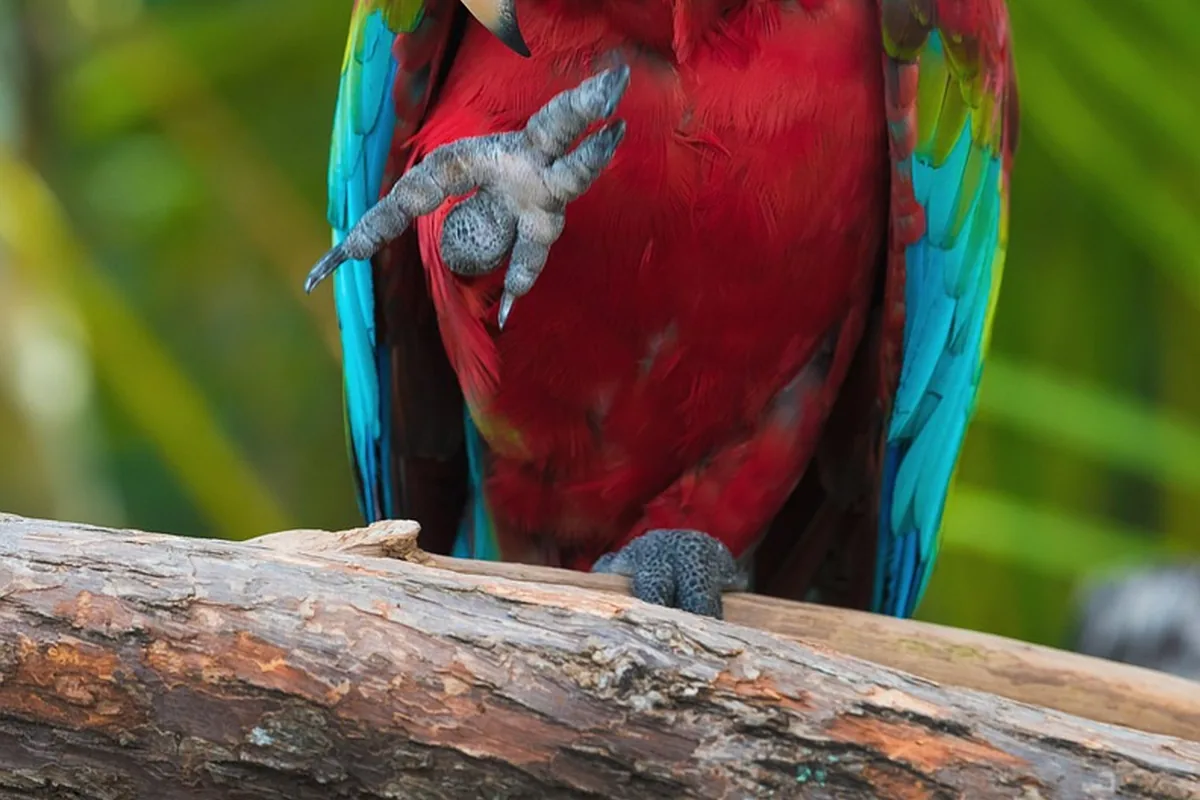
When Every Second Counts: Your Bird's Life May Depend on What You Do First
Picture this: you're enjoying a quiet evening when suddenly you hear a commotion from your bird's cage. Your heart drops as you see your feathered friend in distress. In moments like these, knowing basic first aid can mean the difference between life and death — literally.
In our experience boarding over 1,000 birds at BST, we've seen how quickly bird emergencies can escalate. The good news is that with the right knowledge and preparation, you can provide crucial care while getting your bird to an avian veterinarian. Here's everything you need to know about emergency first aid for birds.
Recognizing a True Bird Emergency
Birds are masters at hiding illness and injury — it's a survival instinct. By the time they show obvious signs of distress, the situation is often critical. Here are the red flags that mean "emergency vet NOW":
Immediate Emergency Signs
- Active bleeding that doesn't stop within 2-3 minutes
- Severe difficulty breathing (open-mouth breathing, tail bobbing, gasping)
- Seizures or convulsions
- Unconsciousness or collapse
- Severe burns from heat sources or chemicals
- Broken blood feather with active bleeding
- Suspected poisoning (vomiting, neurological symptoms, lethargy after exposure)
- Egg binding (female straining to lay an egg for over 4-6 hours)
- Severe trauma from flying into windows, cat attacks, or falls
Signs That Need Urgent Care (Within Hours)
- Sitting fluffed up and lethargic for more than 2 hours
- Changes in droppings (blood, dramatic color change, absence of droppings)
- Vomiting or regurgitation (different from normal feeding behavior)
- Limping or inability to perch
- Discharge from eyes, nose, or beak
Important: When in doubt, call your emergency avian vet. Birds deteriorate rapidly, and "wait and see" can be fatal.
Your Bird Emergency First Aid Kit
Every bird owner should have these supplies ready and easily accessible. For the full kit, with what each item does and how to use it, see the avian first aid kit.
Essential Supplies
- Styptic powder or cornstarch for bleeding control
- Clean towels (at least 3-4 small ones)
- Hospital cage or carrier with secure ventilation
- Heating pad or heat lamp (on low setting)
- Digital scale for monitoring weight
- Saline solution for flushing eyes or wounds
- Gauze pads and medical tape
- Small scissors for cutting tape or feathers if needed
- Flashlight or penlight for examination
- Emergency vet contact information
Hospital Cage Setup
Keep a small, quiet cage ready as your "hospital cage." It should be:
- Half the size of their regular cage (restricts movement)
- In a quiet, dimly lit area
- Equipped with low perches or none at all
- Easy to clean and monitor
- Away from other pets and household activity
Step-by-Step Emergency Response for Top 5 Crises
1. Broken Blood Feather with Bleeding
Blood feathers are new feathers with active blood supply. When broken, they can bleed heavily.
What to do:
- Stay calm — your bird will pick up on your energy
- Gently restrain your bird in a towel
- Locate the bleeding feather (usually on wing or tail)
- Apply styptic powder or cornstarch directly to the break
- Apply gentle, steady pressure for 2-3 minutes
- If bleeding continues, the feather may need to be removed by a vet
- Keep your bird warm and quiet
Pro Tip: Never pull a blood feather yourself unless you've been trained. Improper removal can cause more damage.
2. Suspected Poisoning
Common household toxins include chocolate, avocado, caffeine, non-stick pan fumes, and many houseplants.
What to do:
- Remove your bird from the source immediately
- If it's fume exposure, get fresh air circulation
- Do NOT induce vomiting unless specifically instructed by a vet
- If you know what they ingested, bring the packaging to the vet
- Keep your bird warm and monitor breathing
- Get to the emergency vet immediately — time is critical
Warning: Never give home remedies for poisoning. Some can make things worse.
3. Bird Flew into Window
Window strikes are unfortunately common and can cause head trauma, broken bones, or internal injuries.
What to do:
- Approach slowly — injured birds may panic and injure themselves further
- Gently place a towel over your bird and pick them up
- Place in a dark, quiet hospital cage
- Check for obvious bleeding or broken wings/legs
- Keep warm but not hot
- Monitor for signs of head trauma (tilted head, circling, seizures)
- Even if they seem fine, see a vet — internal injuries aren't always obvious
4. Night Fright Injury
Night frights cause birds to thrash in their cage, often resulting in broken feathers, cuts, or bruises.
What to do:
- Turn on a dim light to help them orient
- Speak softly and calmly
- Don't immediately handle them — let them settle first
- Once calm, gently examine for injuries
- Check for bleeding, especially around the head and wings
- If there are minor cuts, clean with saline solution
- Move to hospital cage if injuries are present
Pro Tip: Prevent night frights by using a small nightlight near the cage and covering it partially at night.
5. Respiratory Distress
Open-mouth breathing, tail bobbing, or gasping are signs of serious respiratory problems.
What to do:
- Minimize stress — avoid handling unless absolutely necessary
- Ensure good ventilation but avoid drafts
- Remove any potential irritants (candles, air fresheners, cooking fumes)
- Keep your bird upright if possible
- Provide gentle warmth (not heat)
- Get to emergency vet immediately — this is life-threatening
Burns, heat stroke, hypothermia, skin wounds, and cat or dog bites are not covered above. Those five are handled step by step in first aid for birds made simple.
When to Call Emergency vs. Wait for Regular Vet Hours
Call Emergency Vet Immediately:
- Any bleeding that doesn't stop in 3 minutes
- Difficulty breathing or open-mouth breathing
- Unconsciousness, seizures, or collapse
- Suspected poisoning
- Severe trauma or obvious fractures
- Egg binding lasting more than 6 hours
- Any situation where your bird seems to be dying
Can Wait for Regular Hours (But Call for Advice):
- Minor cuts that have stopped bleeding
- Slight limping but still able to perch
- Mild lethargy but still eating and drinking
- Minor changes in droppings
- Small bumps or bruises without other symptoms
Important: When in doubt, call. Most emergency vets will give phone advice and help you determine if it's truly urgent.
Safe Transport to the Emergency Vet
Getting your injured bird to the vet safely is crucial:
Transport Preparation
- Use a small carrier or hospital cage — not their regular large cage
- Remove perches and toys to prevent further injury during transport
- Line the bottom with towels or paper towels for grip and absorption
- Keep it dark and quiet — cover the carrier with a towel
- Maintain warmth — but ensure adequate ventilation
During Transport
- Drive smoothly — avoid sudden stops and sharp turns
- Keep the carrier level and secure
- Don't peek or talk to your bird unless they seem panicked
- Have someone else drive if possible so you can monitor
- Bring any relevant information (what happened, when, any substances involved)
Emergency Response Checklist
Print this checklist and keep it with your first aid supplies:
Immediate Response (First 60 seconds)
- Stay calm and assess the situation
- Ensure your safety first
- Remove bird from immediate danger
- Check for breathing and consciousness
- Control any active bleeding
Stabilization (Next 5 minutes)
- Place bird in hospital cage or carrier
- Provide gentle warmth (not heat)
- Minimize stress and noise
- Document what happened and when
- Gather emergency vet contact information
Preparation for Vet Visit
- Call emergency vet and describe situation
- Prepare transport carrier
- Bring any relevant materials (poison packaging, etc.)
- Note any changes in condition during transport
- Have payment method ready
Emergency Contacts to Keep Handy
- Primary avian vet: ________________
- Emergency avian vet: ________________
- Poison control hotline: ________________
- Nearest 24-hour animal hospital: ________________
Final Thoughts
Here's the thing about bird emergencies — they're terrifying, but being prepared makes all the difference. We've seen bird owners save their feathered friends' lives simply by knowing what to do in those crucial first minutes.
Remember, first aid is exactly that — first aid. It's meant to stabilize your bird and buy you time to get professional veterinary care. Never substitute first aid for proper medical treatment, but don't underestimate how much your quick thinking and preparation can help.
Keep your first aid kit stocked, know your emergency vet's number by heart, and trust your instincts. If something seems wrong with your bird, it probably is. In our experience, bird owners who act quickly and seek help early almost always have better outcomes.
Your bird depends on you to be their advocate and their lifeline in an emergency. With this knowledge in your toolkit, you're ready to be exactly that.
Explore related topics
Related Articles
Aspergillosis in Birds: The Invisible Fungal Killer
Aspergillosis is one of the most common and deadly avian diseases. It's caused by a fungus that's everywhere in our environment.
The Avian First Aid Kit: 25 Essential Supplies Every Bird Owner Needs
When an emergency happens, you need supplies ready NOW. Here's what every bird owner should have on hand.
Bird Insurance: Is It Worth It? A Complete Guide to Avian Pet Insurance
A single emergency vet visit can cost $2000+. Pet insurance for birds exists — here's whether it's worth the premium.