Egg Binding in Birds: An Emergency Guide Every Owner Needs
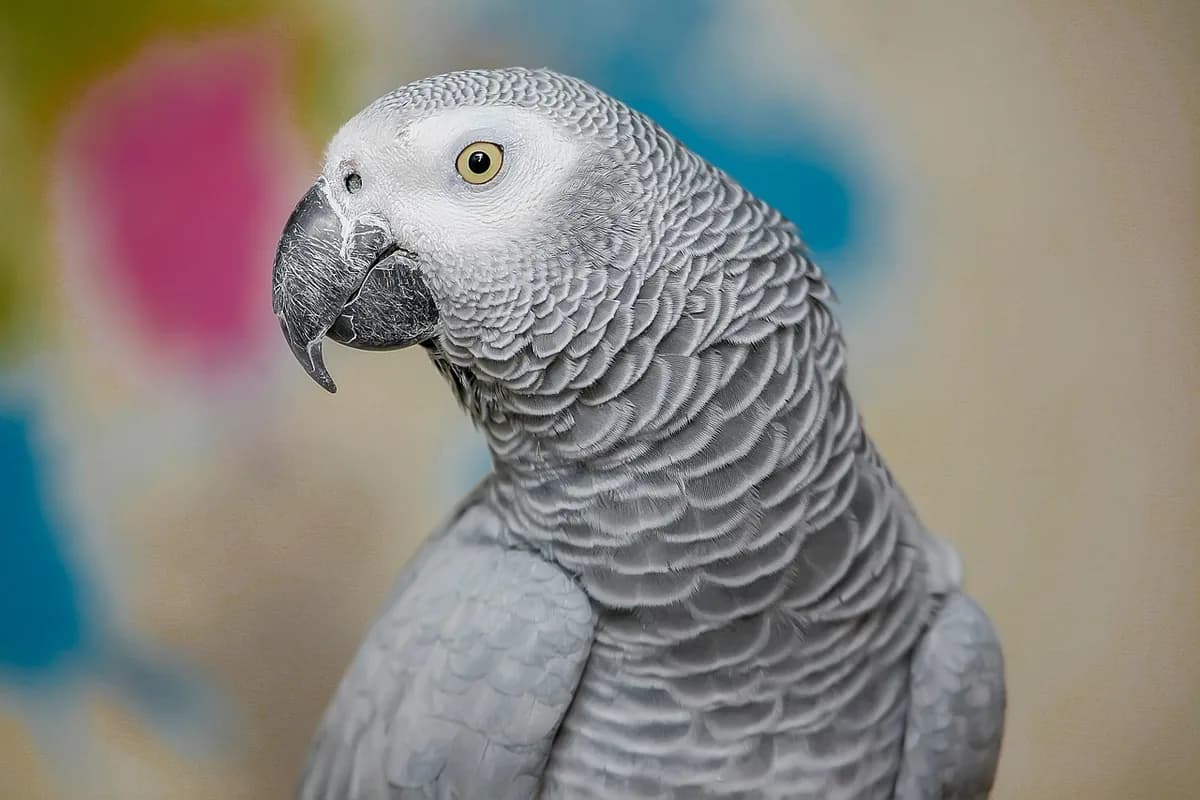
When Time is Everything: Recognizing and Responding to Egg Binding
Picture this: you walk over to your bird's cage and notice she's sitting on the floor, looking fluffed up and uncomfortable. She keeps straining as if she's trying to pass something, and her tail is wagging with each effort. If your bird is a female — regardless of whether she has a mate — this could be egg binding, and it's one of the most serious emergencies we see in avian medicine.
In our experience boarding over 1,000 birds at BST, we've learned that egg binding doesn't discriminate. We've seen it happen to young cockatiels laying their first egg, older budgies who've laid dozens before, and even birds whose owners had no idea they were female until this emergency struck.
Here's the thing: egg binding is always a veterinary emergency, but understanding what it is, how to recognize it, and what you can do in those critical first moments can literally save your bird's life.
What Exactly is Egg Binding?
Egg binding occurs when an egg becomes stuck somewhere in your bird's reproductive tract and cannot be passed naturally. The egg might be lodged in the shell gland, uterus, or just inside the cloaca (the opening where eggs are normally laid).
Think of it like this: the egg-laying process is a carefully choreographed sequence of muscle contractions and hormonal signals. When something disrupts this process — whether it's a physical obstruction, weakened muscles, or an abnormally shaped egg — everything comes to a halt. The egg that should pass within hours can remain trapped for days, causing increasing distress and potentially life-threatening complications.
Important: Any female bird can become egg-bound, even without a male present. Birds don't need to mate to produce eggs — they just won't be fertile.
Birds at Risk: It's Not Just Who You Think
While any egg-laying female can experience binding, certain birds face higher risks:
High-Risk Species:
- Cockatiels (especially young females)
- Budgerigars
- Lovebirds
- Canaries
- Small finches
High-Risk Situations:
- First-time layers (young birds)
- Birds over 4 years old
- Chronic egg-layers
- Birds with previous binding episodes
- Overweight or underweight birds
- Birds with poor nutrition
We often see owners surprised when their "male" bird becomes egg-bound. Sexual dimorphism isn't always obvious in pet birds, and many birds are incorrectly sexed when young. If you're not 100% certain of your bird's sex, always consider egg binding as a possibility when you see these symptoms.
The Root Causes: Why Eggs Get Stuck
Understanding why egg binding happens helps with both recognition and prevention:
Nutritional Deficiencies
Calcium deficiency is the biggest culprit. Calcium is essential for proper muscle contractions in the reproductive tract. Without adequate calcium, the muscles simply can't push the egg through effectively.
Poor overall nutrition weakens the bird's entire system, making the physically demanding process of egg-laying much more difficult.
Physical Factors
- Oversized eggs that are too large to pass through the reproductive tract
- Malformed eggs with irregular shapes
- Obesity that puts pressure on internal organs
- Muscle weakness from age, illness, or inactivity
Environmental Stressors
- Inadequate humidity can cause the egg to stick to internal surfaces
- Temperature fluctuations that stress the bird during laying
- Disturbances during the laying process
Recognizing the Emergency: Signs Every Owner Must Know
Egg binding symptoms can develop gradually or appear suddenly. Here's what to watch for:
Early Warning Signs
- Restlessness and frequent position changes
- Spending more time on the cage floor
- Fluffed feathers (especially around the abdomen)
- Decreased appetite
- Less vocal than usual
Obvious Distress Signals
- Straining with visible abdominal contractions
- Tail wagging or pumping with each strain
- Sitting in a wide-legged stance on the cage floor
- Lethargy and weakness
- Difficulty perching or falling off perches
- Labored breathing
Critical Emergency Signs
- Inability to defecate normally
- Visible egg at the vent opening
- Collapse or inability to stand
- Blue-tinged beak or feet (indicating oxygen deprivation)
Warning: If you see any of these critical signs, your bird needs emergency veterinary care immediately. Don't wait to see if she'll "work it out" on her own.
Emergency First Aid: What You Can Do Right Now
While you're arranging emergency veterinary care, there are a few things you can do to help your bird:
Create a Hospital Environment
- Move her to a quiet, warm space (80-85°F if possible)
- Increase humidity by placing a warm, damp towel near (not in) the cage
- Dim the lights to reduce stress
- Remove perches so she can rest on the cage floor comfortably
Supportive Care
- Offer calcium if you have liquid calcium supplement available
- Provide easy access to water but don't force drinking
- Keep handling to an absolute minimum — stress can worsen the condition
Pro Tip: A steamy bathroom can provide the humidity boost your bird needs. Run a hot shower and sit with your bird (in her carrier) in the bathroom for 10-15 minutes while you wait for veterinary care.
What NOT to Do
- Don't try to manipulate or massage the egg
- Don't give oil or lubricants
- Don't attempt to break or remove the egg yourself
- Don't wait more than a few hours to seek veterinary care
Professional Treatment: What to Expect
Veterinary treatment for egg binding varies depending on the egg's location and the bird's condition:
- Medical management with calcium injections and muscle relaxants
- Manual manipulation under anesthesia
- Surgical removal in severe cases
- Supportive care including fluid therapy and nutritional support
The sooner treatment begins, the better the outcome. We've seen birds make full recoveries when treated quickly, but delays can lead to serious complications including infection, internal injuries, or death.
Prevention: Your Best Defense
Preventing egg binding is far better than treating it. Here's your comprehensive prevention strategy:
Nutritional Foundation
- High-quality pellet diet as the base (75-80% of diet)
- Calcium supplementation especially during breeding season
- Dark leafy greens like kale, collard greens, and broccoli
- Avoid all-seed diets which are nutritionally inadequate
Environmental Management
- Control daylight hours — less than 12 hours of light per day discourages laying
- Remove nesting materials like paper shreds, fabric, or cozy huts
- Rearrange the cage periodically to discourage territorial nesting behavior
- Maintain consistent temperatures and adequate humidity
Behavioral Modifications
- Avoid petting the back, under wings, or near the vent area (these are sexually stimulating)
- Don't provide dark, enclosed spaces that encourage nesting
- Redirect hormonal behaviors with training and environmental enrichment
Managing Chronic Egg-Laying
Some birds become chronic layers, producing eggs repeatedly throughout the year. This is exhausting for their bodies and increases binding risk significantly.
Medical Interventions
Your veterinarian might recommend:
- Hormone therapy to suppress egg production
- Implants that provide long-term hormone regulation
- Dietary modifications to reduce reproductive triggers
Long-term Management
- Strict light management (8-10 hours maximum daylight)
- Environmental changes every few weeks
- Regular veterinary monitoring during breeding seasons
- Immediate intervention at first signs of laying behavior
Important: Never ignore chronic egg-laying. Each laying cycle depletes your bird's calcium and energy reserves, making binding increasingly likely.
Final Thoughts: Knowledge Saves Lives
Egg binding is terrifying when it happens, but it's also highly preventable with proper care and awareness. The key is recognizing that any female bird — whether you thought she was male, whether she's never laid before, whether she's alone — can face this emergency.
In our years of bird care, we've learned that the owners who do best in these situations are those who stay calm, act quickly, and don't hesitate to seek professional help. Your bird is counting on you to recognize the signs and respond appropriately.
Remember: when in doubt, always err on the side of caution. A false alarm is infinitely better than a delayed response to a real emergency. Your avian veterinarian would much rather see a bird who turns out to be fine than one who arrives too late for effective treatment.
Keep your avian vet's emergency number handy, know the signs, and trust your instincts. Your bird's life may depend on the decisions you make in those critical first hours.
Explore related topics
Related Articles
Aspergillosis in Birds: The Invisible Fungal Killer
Aspergillosis is one of the most common and deadly avian diseases. It's caused by a fungus that's everywhere in our environment.
The Avian First Aid Kit: 25 Essential Supplies Every Bird Owner Needs
When an emergency happens, you need supplies ready NOW. Here's what every bird owner should have on hand.
Bird Insurance: Is It Worth It? A Complete Guide to Avian Pet Insurance
A single emergency vet visit can cost $2000+. Pet insurance for birds exists — here's whether it's worth the premium.