The Complete Conure Care Guide
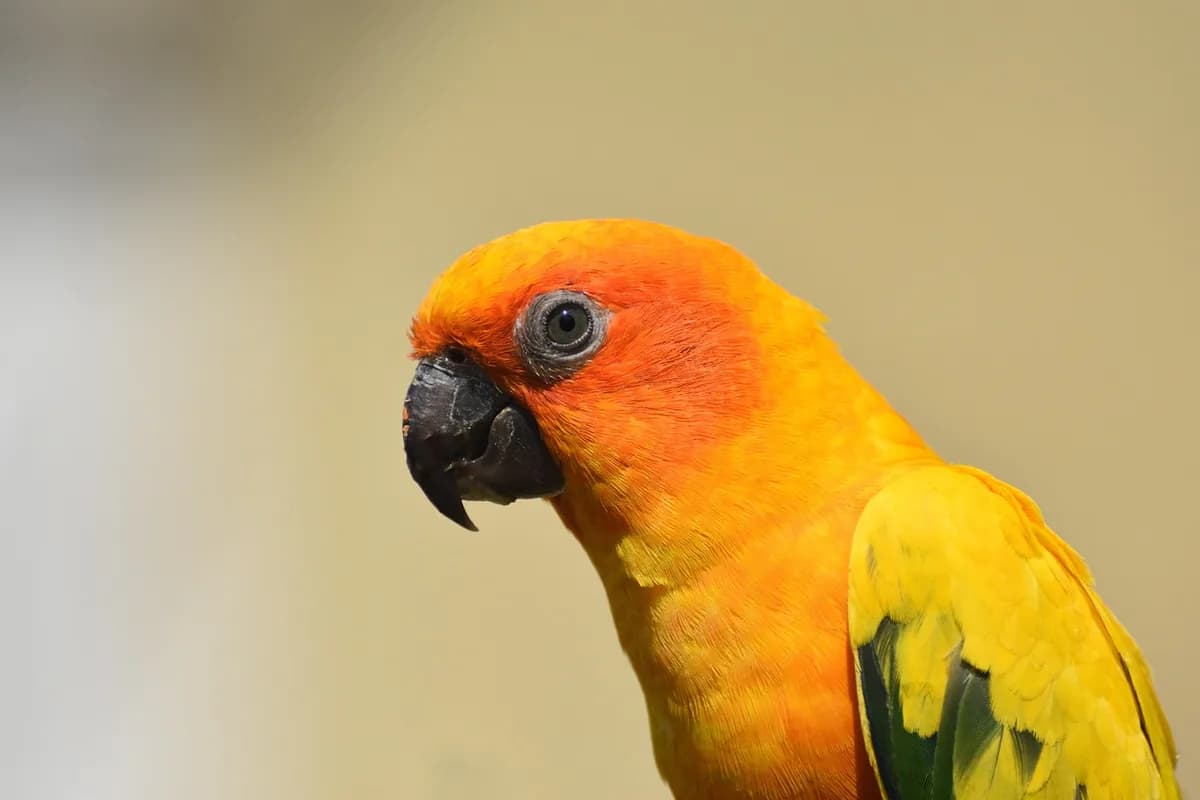
Ask anyone who has kept one and you'll hear the same word: clown. Conures are the comedians of the parrot world — bold, affectionate, endlessly curious, and famous (green-cheeks especially) for flopping onto their backs to "surf" a towel or wrestle your fingers. They pack the personality of a macaw into a body that weighs less than an apple. At Bird Sitting Toronto, where we board hundreds of birds every year, conures are among the most beloved guests precisely because they throw themselves into everything they do.
They are also loud, needy, and long-lived. This guide is the hub: who a conure suits, how to house one properly, and the daily rhythm that keeps them healthy. The deeper articles on diet, behavior, health, and training pick up where this one leaves off.
Is a Conure Right for You?
The name "conure" covers two very different groups. Pyrrhura conures — green-cheeked, maroon-bellied, pearly — are the smaller, quieter, cuddlier end of the family, weighing around 60-90 g and running roughly 25 cm (10 in) nose to tail. Aratinga conures — sun, jenday, blue-crowned, nanday — are bigger (up to 50 cm / 20 in and 120-280 g in the larger species) and dramatically louder. Both are wonderful; they are not the same commitment.
| What to expect | The reality |
|---|---|
| Lifespan | 20-30 years — a two-to-three-decade relationship |
| Size | 25-50 cm (10-20 in); 60-280 g depending on species |
| Noise level | 4 out of 5 — Aratinga conures shriek; Pyrrhura are moderate |
| Talking | 2 out of 5 — a few words and sounds, not a chatterbox |
| Temperament | Clownish, adventurous, affectionate, energetic, nippy when hormonal |
| Experience level | Intermediate |
Warning: Conures scream. It is a normal contact call, not a defect — a wild flock stays in touch by calling across the canopy. A sun or jenday conure can hit volumes that carry through a condo wall. If noise complaints would threaten your housing, choose a Pyrrhura species and manage the calling with routine, never a louder bird.
Housing
A conure spends most of its life in its cage, so size it generously. For a Pyrrhura, a minimum footprint of about 60 x 60 cm (24 x 24 in) and 75 cm (30 in) tall is a floor, not a goal. For the larger Aratinga species, step up to 75 x 60 cm (30 x 24 in) or bigger. The single most useful rule: the bird must fully extend and flap both wings without touching the bars, and have room to climb and move sideways, not just up and down. Bigger is always better — buy the largest cage your space and budget allow.
- Bar spacing: 1.3-1.9 cm (1/2 to 3/4 in). Wider than that and a small conure can get its head stuck; narrower is fine.
- Cage shape: Rectangular, always. Round cages give a bird no corner to feel secure in and no flat wall to sleep against.
- Bar orientation: Horizontal bars on at least two sides — conures are relentless climbers and use the bars like a jungle gym.
- Perches: Skip the uniform plastic dowels. Offer natural-wood perches (manzanita, java, dowels cut from bird-safe branches) in varying diameters so the feet flex and grip differently through the day. Add one rope perch and one grooming perch. Varied perching prevents pressure sores and arthritis over a 20-30 year life.
Placement and Climate
Put the cage in a busy, social room — conures are flock animals and a bird tucked away in a spare room will scream from loneliness. Avoid the kitchen (fumes from overheated non-stick cookware kill birds fast), direct draughts, and windows that bake in afternoon sun. In Toronto, the bigger seasonal problem is winter: forced-air heating drops indoor humidity into the teens, which is hard on a tropical bird's skin and respiratory tract. Aim for 40-60% humidity with a room humidifier, and keep the room a steady 18-24°C (65-75°F).
Tip: Give your conure 10-12 hours of dark, quiet sleep every night — a cage cover or a separate small sleep cage in a quiet room works well. Sleep deprivation is one of the most common hidden causes of screaming, biting, and hormonal behavior.
A Daily Care Routine
Conures thrive on predictability. A workable rhythm looks like this:
- Morning: Uncover, greet, fresh chop and pellets in clean dishes, fresh water. Open the cage for out-time while you get ready.
- Midday: Rotate foraging toys, a quick spray bath or a shallow dish for splashing (most conures love water). Refresh water if soiled.
- Evening: The main out-of-cage block — at least 2-3 hours of supervised time on a play stand, on your shoulder, training, and roughhousing. This is when the clown comes out.
- Night: Remove wet fresh food before it spoils, tidy the cage floor, cover for sleep at a consistent time.
Do a full cage deep-clean weekly and a quick droppings/tray wipe daily. Weigh your bird weekly on a gram scale — weight change is the earliest warning that something is wrong.
The Rest, In Brief
This guide is the overview; each of these has a dedicated deep-dive:
- Diet: A pelleted base (roughly 75-80% of intake) plus a veg-forward fresh "chop," with seeds and nuts reserved as ~5% treats. Boredom and a poor diet are the twin drivers of feather plucking. See the diet and nutrition guide.
- Behavior: Contact calls, beak clicking, back-surfing, and the hormonal nippiness that surfaces in spring. Learning to read it is covered in the behavior and body-language guide.
- Health: Conures have their own watch-list — PBFD, proventricular dilatation disease (PDD), aspergillosis, feather-destructive behavior, and the debated "conure bleeding syndrome." The common health issues guide covers signs and prevention.
- Enrichment and training: These are highly trainable birds — recall, targeting, and tricks all come readily with positive reinforcement. The training guide walks through it.
Find an avian veterinarian before you need one — a general small-animal clinic is not equipped for a sick parrot. Book a new-bird wellness exam within the first few weeks, and you'll have a baseline and a relationship in place for the decades ahead.
Explore related topics
Related Articles

Best Talking Parrot Species Ranked: From Chatterbox to Silent Type
Which parrots actually talk? Here's an honest ranking with realistic expectations for each species.
Bourke's Parakeet: The Complete Care Guide for This Gentle Species
Bourke's parakeets are the calmest, quietest parrots you'll ever meet. Perfect for beginners and apartments.
Lineolated Parakeet: The Complete Care Guide for Linnies
Lineolated parakeets (linnies) are quirky, quiet, and surprisingly cuddly. Here's everything you need to know.