Common Conure Health Issues and How to Prevent Them
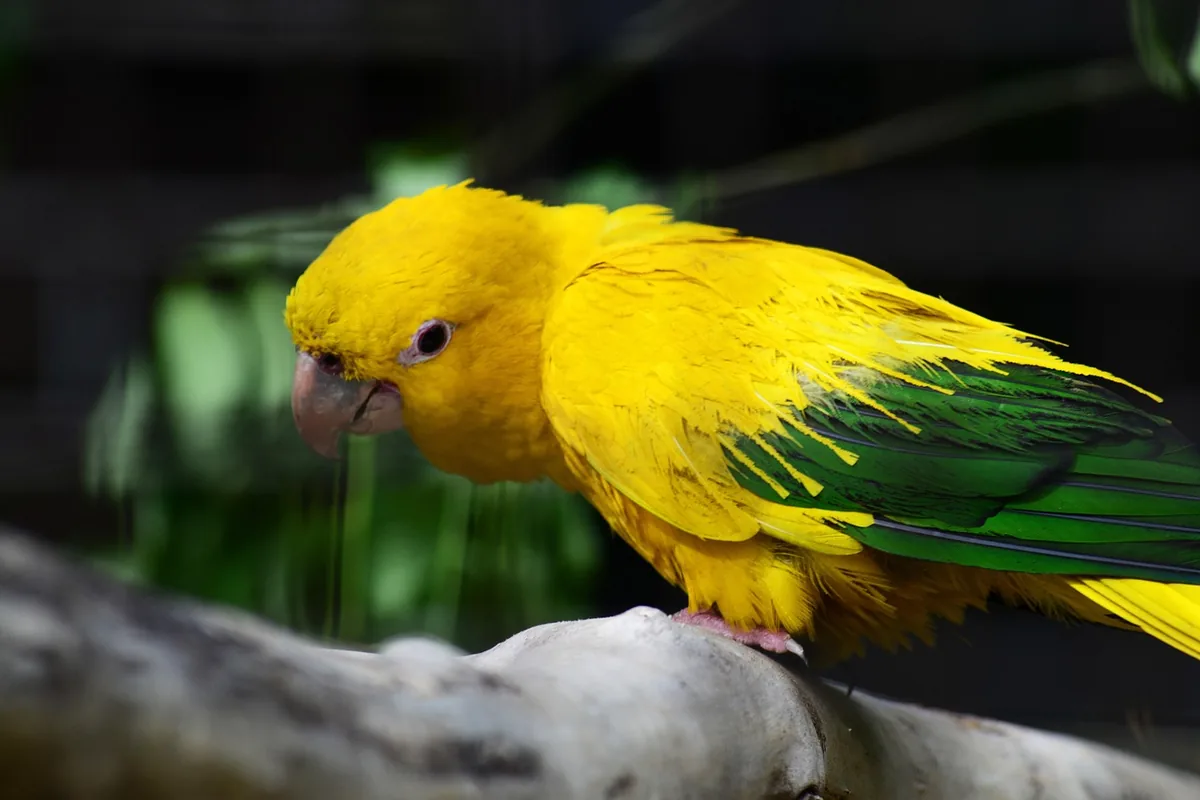
Conures are hardy, athletic little parrots, but a 20-30 year lifespan only happens with attentive care and a real relationship with an avian veterinarian. Birds are prey animals: they instinctively mask illness until they can't hide it anymore, so by the time a conure looks sick, it is often seriously unwell. This guide covers the conditions conures are genuinely prone to, how to read the early signs, and when a wait-and-see turns into an emergency drive to the clinic.
Start With an Avian Vet
A dog-and-cat clinic is not equipped to treat a parrot. Before you have a problem, find a qualified avian veterinarian and book a new-bird wellness exam. Every conure should have a checkup at least once a year — twice for older birds — typically including:
- A full physical exam and weight check
- Fecal testing (Gram stain, parasite check)
- Baseline bloodwork, recommended annually for birds over about 5 years
- Disease screening (see below) where history or symptoms warrant it
An annual exam gives your vet a baseline, so when something shifts, they know it's a change and not just your bird's normal.
Conditions Conures Are Prone To
Psittacine Beak and Feather Disease (PBFD)
A serious, contagious viral disease (circovirus) that attacks feathers, beak, and the immune system. Signs include abnormal, deformed, or lost feathers that don't regrow properly, and beak abnormalities. There is no cure, so prevention is everything: quarantine any new bird for at least 30-45 days and have new birds tested before they meet your flock. A PCR blood test can confirm infection.
Proventricular Dilatation Disease (PDD)
An inflammatory disease of the nerves supplying the digestive tract, associated with avian bornavirus. The classic picture is a bird that eats but loses weight, passes undigested seeds or food in the droppings, regurgitates, and may later show neurological signs (tremors, incoordination). It's difficult to treat and often fatal, but supportive care and anti-inflammatory management directed by an avian vet can extend quality of life. Any bird passing whole undigested food needs to be seen.
Aspergillosis
A fungal respiratory infection (Aspergillus mold) that conures, as active birds with high oxygen demand, are vulnerable to — especially in damp, poorly ventilated, or dirty environments. Signs are often subtle and slow: a change in voice, tail-bobbing or labored breathing, exercise intolerance, and general decline. Prevention means clean, dry, well-ventilated housing, avoiding mouldy seed or bedding, and good air quality.
Feather-Destructive Behavior (Plucking)
Conures are notorious pluckers, and it is the health issue owners meet most often. It may be medical (skin infection, mites, allergy, nutritional deficiency, internal disease) or behavioral (boredom, stress, loneliness, poor sleep, hormones). The rule is: rule out medical causes with your vet first — never assume it's "just behavioral." Then address the environment:
- Flood the day with foraging and destructible toys
- Ensure 10-12 hours of quiet sleep
- Maintain humidity around 40-60% (dry Toronto winters worsen skin and feather condition)
- Increase social interaction and out-of-cage time
"Conure Bleeding Syndrome"
A debated condition reported in conures involving episodes of internal or external bleeding. Avian veterinary consensus has not pinned down a single cause, but it is tentatively linked to calcium and vitamin K metabolism. There's no proven prevention, but a produce-rich diet (leafy greens supply both calcium and vitamin K) and prompt veterinary attention to any unexplained bleeding are the sensible response. Any bleeding in a conure warrants an urgent vet call.
Nutritional Disease and Fatty Liver
Conures love seed, and a seed-heavy diet drives obesity, fatty liver disease, and vitamin-A deficiency over time. Signs include dull or poor feathering, an overgrown or flaky beak, lethargy, and frequent infections. Prevention is the pelleted, veg-forward diet covered in our nutrition guide.
Psittacosis (Parrot Fever)
A bacterial infection (Chlamydia psittaci) that can spread to humans. Watch for lethargy, ruffled feathers, green or yellow droppings, nasal and eye discharge, and appetite loss. It's treatable with the right antibiotics when caught early, so see your vet promptly and quarantine new birds.
Recognizing a Sick Bird
Because conures hide illness, learn the general warning signs and act on them:
| Watch for | What it can mean |
|---|---|
| Sitting fluffed and still, eyes closed by day | Feeling unwell; conserving heat |
| Tail-bobbing or open-mouth breathing | Respiratory distress — serious |
| Changes in droppings (color, volume, undigested food) | Digestive or systemic illness |
| Appetite or water-intake change | Almost always significant in a small bird |
| Weight loss on the gram scale | The earliest, most reliable red flag |
| Sitting on the cage floor | A bird too weak to perch — urgent |
Tip: Weigh your conure weekly on a gram scale and keep a simple log. A steady 60-90 g Pyrrhura or a heavier Aratinga will show a downward trend days before it looks sick — that trend is the single most useful health tool you have at home.
When It's an Emergency
Call your avian vet or an emergency exotics clinic immediately if you see any of these:
- Labored breathing, tail-bobbing, or open-mouth breathing
- Bleeding from anywhere, including a broken blood feather
- Sitting on the bottom of the cage, unable to perch
- Seizures, tremors, or loss of balance
- Complete refusal to eat for more than 12 hours
- Sudden swelling, a crash in energy, or a fall with injury
A small bird has almost no metabolic reserve. "Let's see how it looks in the morning" is the wrong call with a parrot — hours matter.
A Brief First-Aid Note
Keep a small avian first-aid kit: styptic powder or cornstarch (for a bleeding nail or beak — not for soft-tissue wounds), clean gauze, a towel for restraint, and your vet's after-hours number. If a blood feather breaks and won't stop bleeding, apply gentle pressure with cornstarch; if bleeding continues the whole feather may need to be pulled, which is best done by a vet. Keep an ill or injured bird warm (around 29-32°C / 85-90°F), calm, and dark while you arrange transport. Home first aid is for stabilizing on the way to the clinic — it is never a substitute for the vet.
Preventive Care Checklist
- Annual avian wellness exam (twice yearly for seniors)
- Balanced pelleted, veg-forward diet — no all-seed bowl
- Weekly gram-scale weigh-in, logged
- 40-60% humidity and clean, dry, well-ventilated housing
- 10-12 hours of dark, quiet sleep every night
- Weekly cage deep-clean; daily tray and dish cleaning
- No Teflon/PTFE fumes, scented candles, aerosols, or smoke near the bird
- 30-45 day quarantine and vet screening for every new bird
Explore related topics
Related Articles
Aspergillosis in Birds: The Invisible Fungal Killer
Aspergillosis is one of the most common and deadly avian diseases. It's caused by a fungus that's everywhere in our environment.
The Avian First Aid Kit: 25 Essential Supplies Every Bird Owner Needs
When an emergency happens, you need supplies ready NOW. Here's what every bird owner should have on hand.
Bird Insurance: Is It Worth It? A Complete Guide to Avian Pet Insurance
A single emergency vet visit can cost $2000+. Pet insurance for birds exists — here's whether it's worth the premium.