The Complete Cockatoo Care Guide
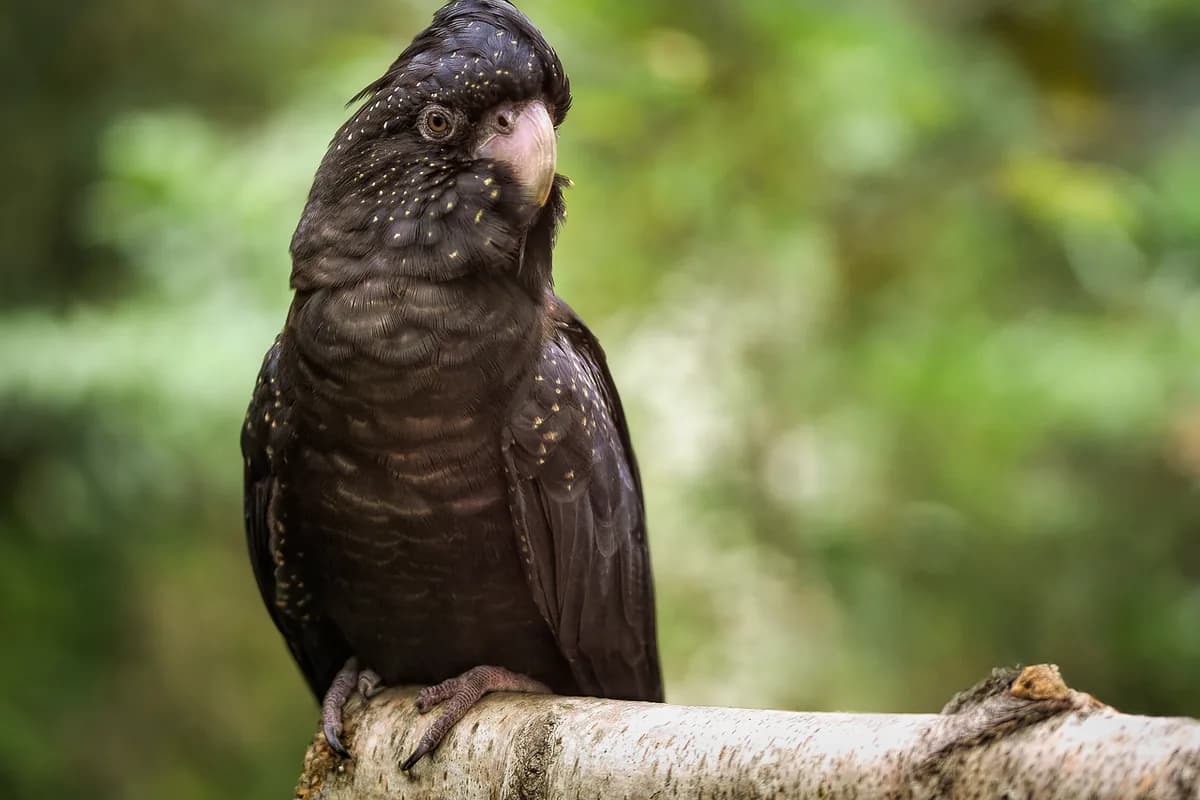
Cockatoos are the drama royalty of the parrot world. Members of the family Cacatuidae, native to Australia, Indonesia, and the Philippines, they are the only parrots that can raise and lower a mobile crest, and they broadcast their every mood with it. They are also, by avian veterinary consensus, among the most demanding companion birds a person can bring home. At Bird Sitting Toronto, where we board hundreds of birds every year, the cockatoos are the ones who most often arrive with a story of good intentions that outran the reality of the commitment.
This guide is the hub. It covers who cockatoos are, how to house them properly, and the shape of a good day. For the details on feeding, health, behavior, and training, follow the links to our deeper articles.
Is a Cockatoo the Right Bird for You?
Be honest with yourself before you fall for the fluff. Cockatoos are needy, cuddly, dramatic, and loud — genuinely loud. On a noise scale of 1 to 5, they are a 5 out of 5. A contact scream from a Moluccan or umbrella cockatoo can exceed the volume of a smoke alarm and carry for a kilometre. They are poor talkers by parrot standards (roughly a 2 out of 5), so you are not trading the noise for conversation.
They are also a lifelong commitment in the most literal sense. Cockatoos live 40 to 80 years with good care, which means a bird bought in your thirties may outlive you. Size ranges widely across the family, from around 30 cm (12 in) in the smaller species to 65 cm (26 in) in the large white cockatoos, with body weights from roughly 300 g to 1,200 g. These are classified as advanced-level birds, appropriate for experienced keepers who understand what "high needs" really means.
Warning: Cockatoos form obsessive one-person bonds and are notorious "velcro birds." Over-cuddling and constant lap time actually harm them — it drives hormonal behavior, screaming, and feather destruction. The goal is a confident, independent companion, not a feathered infant. We cover this in depth in the behavior and training articles.
One more practical note for the household: cockatoos produce powder down, a fine keratin dust that coats everything and can aggravate asthma and allergies. A good HEPA air purifier near their space is not optional in most homes.
Housing: Bigger Than You Think
A cockatoo cage should let the bird fully extend and flap both wings without touching the bars, and then some. For the large white cockatoos, aim for a minimum footprint of about 90 x 120 cm (36 x 48 in) and at least 150 cm (60 in) tall; bigger is always better, and a dedicated bird room or aviary is ideal. Smaller cockatoos can manage a somewhat smaller cage, but never go below roughly 75 x 90 cm (30 x 36 in) of floor space for any of them.
| Feature | Specification |
|---|---|
| Bar spacing | 1.5–2.5 cm (0.6–1 in), horizontal bars for climbing |
| Cage shape | Rectangular — round cages offer no corner to feel secure in |
| Metal | Powder-coated or stainless steel only (never zinc/galvanized — heavy-metal risk) |
| Lock | Escape-proof, complex latches — cockatoos are expert lock-pickers |
| Perches | Natural wood of varying diameters, plus a rope and a mineral perch |
Cockatoos are strong, intelligent, and endlessly curious about latches, so a bird that can open a simple cage door is a given. Use complex or padlocked latches.
Perches and placement. Offer at least three perches of different materials and diameters (2–4 cm is a good range for larger birds) to exercise the feet and prevent pressure sores. Place the cage against a wall in a busy, social room like a living or family room, so the flock-oriented cockatoo can be part of household life — but away from the kitchen (cooking fumes, especially non-stick/PTFE, are deadly), out of direct sun, and clear of drafts and cold windows.
Temperature and air. Cockatoos are comfortable in the same range people are, roughly 18–26°C (65–80°F), and tolerate no sudden chills. Toronto's dry, forced-air winters are hard on avian skin and feathers; run a humidifier to keep indoor humidity around 40–60% during the heating season, which also helps discourage feather-destructive behavior.
A Good Cockatoo Day
Cockatoos need structure, and a predictable rhythm keeps a sensitive, dramatic bird emotionally steady.
- Morning: Uncover, greet, fresh water, and serve the fresh/chop portion of the diet. Open the cage for out-of-cage time.
- Daytime: Aim for several hours of supervised out-of-cage time and, crucially, independent foraging. Rotate foraging toys so the bird works for part of its food rather than being hand-fed attention all day.
- Evening: Shared, low-key family time — a cockatoo wants to be near the flock, not necessarily on you. Wind down before bed.
- Night: 10–12 hours of dark, quiet, uninterrupted sleep, ideally in a covered cage or a separate sleep cage. Sleep-deprived cockatoos become cranky, screamy, and hormonal.
Tip: Weigh your bird weekly on a gram scale and log it. Cockatoos are strongly obesity-prone, and a steady upward trend is your earliest warning of trouble long before you can see it.
The Rest, in Brief
Each of these has its own full article — this is just the map.
- Diet. Cockatoos are strongly prone to obesity and fatty liver disease, so nuts and seeds are strictly treats. Build the diet on quality pellets (about 75–80%) with a heavy emphasis on vegetables and foraging, and go easy on fruit and fat. See the diet and nutrition guide.
- Health. The big cockatoo risks are obesity and fatty liver, feather-destructive behavior and chest self-mutilation, cloacal prolapse from chronic hormonal straining, lipomas, and PBFD (psittacine beak and feather disease), for which cockatoos are a classic host. Annual avian vet exams are essential. See the common health issues guide.
- Enrichment and socialization. These birds have enormous foraging and enrichment needs and extreme social needs. Destructible wood toys, foraging puzzles, and shreddable materials should be replenished constantly. See the behavior and training guides for how to meet those needs without creating a hormonal, over-bonded bird.
A cockatoo who is housed generously, fed lean, rested well, and taught to entertain itself is a magnificent, affectionate companion for decades. A cockatoo who is over-cuddled, under-slept, and bored becomes one of the most heartbreaking cases in aviculture. The difference is entirely in the care — and now you know its shape.
Explore related topics
Related Articles
Best Talking Parrot Species Ranked: From Chatterbox to Silent Type
Which parrots actually talk? Here's an honest ranking with realistic expectations for each species.
Bourke's Parakeet: The Complete Care Guide for This Gentle Species
Bourke's parakeets are the calmest, quietest parrots you'll ever meet. Perfect for beginners and apartments.
Lineolated Parakeet: The Complete Care Guide for Linnies
Lineolated parakeets (linnies) are quirky, quiet, and surprisingly cuddly. Here's everything you need to know.