Common Health Issues in Cockatoo and How to Prevent Them
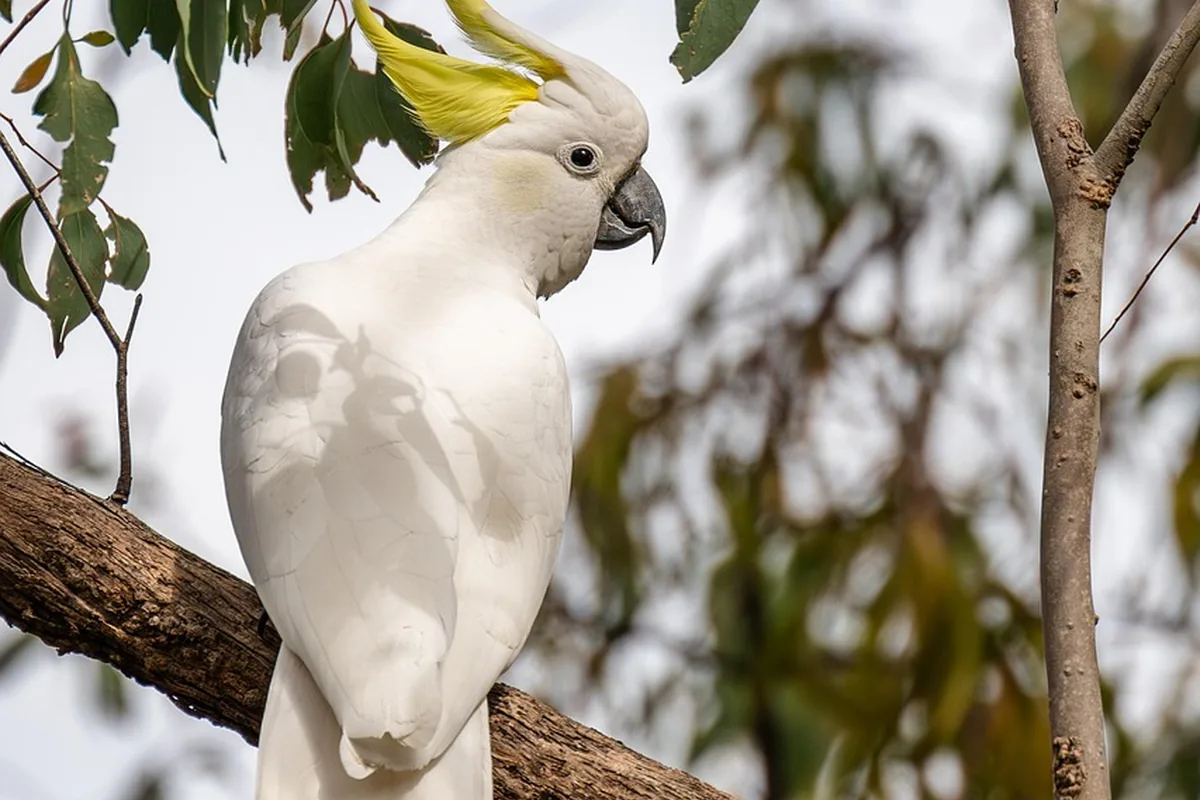
Cockatoos can live 40 to 80 years, but only if their keeper stays ahead of a specific set of health risks that run in this family. Birds are prey animals and are hardwired to hide illness until they are seriously unwell, so by the time a cockatoo looks sick, it often already is. At Bird Sitting Toronto, we take a bird's baseline weight and behavior on arrival precisely because early change is the whole game. This guide covers the conditions cockatoos are genuinely prone to, how to read the early signs, and when a symptom is an emergency.
Build a Relationship With an Avian Vet
Every cockatoo should see a qualified avian veterinarian for a wellness exam at least once a year — twice for older birds. A parrot that lives for decades needs a doctor who knows its history and baseline. A thorough wellness visit usually includes:
- A hands-on physical exam and an accurate gram weight
- Bloodwork (a complete blood count and chemistry panel — especially useful for catching liver disease early)
- Fecal testing and a crop check as indicated
- A conversation about diet, weight trend, and behavior
In the Greater Toronto Area, look specifically for a certified avian vet or an exotics practice; a general small-animal clinic is not equipped for a large parrot. Set this up before you have an emergency.
The Conditions Cockatoos Are Prone To
Obesity and Fatty Liver Disease
This is the number-one preventable killer in pet cockatoos. They are strongly obesity-prone, and a high-fat seed-and-nut diet with too little exercise leads to hepatic lipidosis (fatty liver) and lipomas. Watch for weight gain, a swollen belly, an overgrown or flaky beak (a sign of liver strain), poor feather quality, and breathlessness after mild activity. Prevention: a lean, pellet-based, vegetable-heavy diet with nuts and seeds reserved as rare treats, plus daily flight or climbing and foraging exercise. See the diet and nutrition guide for the full plan.
Feather-Destructive Behavior and Chest Self-Mutilation
Cockatoos are one of the species most prone to feather-destructive behavior, and some go further to actually chewing or mutilating the skin of the chest — a serious, sometimes bloody problem. Causes may be medical (skin infection, PBFD, allergy, nutritional deficiency, pain) or behavioral (boredom, poor sleep, low humidity, hormonal stress, over-bonding). Prevention: rule out medical causes with your avian vet first, then address the environment — abundant foraging and destructible toys, 10–12 hours of dark sleep, humidity kept around 40–60%, and the independence-building described in the behavior and training guides.
Warning: Active skin self-mutilation is an emergency, not a bad habit. A cockatoo can inflict a serious wound on its own chest in a short time. If you see open or bleeding skin, get to an avian vet the same day.
Cloacal Prolapse
Chronic hormonal straining — the same behavior driven by over-bonding, excess petting, and nest-seeking — can lead to cloacal prolapse, where tissue protrudes from the vent. It is more common in chronically hormonal, over-bonded cockatoos. Prevention: manage hormones by limiting petting to the head and neck, enforcing proper sleep, removing nest-like spaces, and not encouraging mating displays. A visible prolapse is an emergency requiring immediate veterinary care.
PBFD (Psittacine Beak and Feather Disease)
Cockatoos are a classic host for PBFD, a viral disease caused by a circovirus that attacks the feathers, beak, and immune system. Signs include abnormal, clubbed, or bleeding feathers that grow in deformed, feather loss, and beak abnormalities, often in a younger bird. It is contagious to other psittacines and there is no cure, so prevention centres on testing. Prevention: have new birds PBFD-tested and quarantine any new arrival for at least 30 days away from your existing flock, with separate air space where possible.
Lipomas
These benign fatty tumours, seen as soft lumps often on the chest or abdomen, are tied to the same obesity problem. A leaner diet and more exercise are the mainstay of prevention and management; your vet will advise on any that grow or ulcerate.
Respiratory Disease and the Powder-Down Factor
Birds have extraordinarily efficient, delicate respiratory systems and are exquisitely sensitive to airborne toxins. Cockatoos also produce copious powder down, so good air quality matters for both bird and household. Watch for tail-bobbing with each breath, open-mouth or labored breathing, nasal discharge, sneezing, and voice change. Prevention: never use non-stick/PTFE cookware, self-cleaning ovens, scented candles, air fresheners, or aerosols anywhere near your bird; ventilate well; and run a HEPA air purifier near their space.
Psittacosis (Parrot Fever)
A bacterial infection (Chlamydia psittaci) that can spread to humans. Signs include lethargy, ruffled feathers, lime-green droppings, nasal and eye discharge, and loss of appetite. Prevention: quarantine new birds, keep the environment clean, and pursue testing if symptoms appear.
General Signs of a Sick Bird
Because cockatoos mask illness, learn these early warnings and act on them:
| Watch For | What It May Mean |
|---|---|
| Feathers fluffed and puffed for hours | Trying to conserve heat — often the first sign of illness |
| Sitting low, on the cage floor, or off-perch | Weakness — serious |
| Loss of appetite, dropped weight | Illness; birds have little reserve |
| Change in droppings (colour, volume, consistency) | Digestive, liver, or kidney issue |
| Tail-bobbing while breathing, open-mouth breathing | Respiratory distress |
| Lethargy, sleeping much more than usual | Systemic illness |
Tip: Weigh your cockatoo weekly on a gram scale and write it down. Weight loss is often the earliest measurable sign of disease, appearing well before any visible symptom.
When It Is an Emergency
Call your avian vet or an emergency exotics clinic immediately for any of the following:
- Sitting on the bottom of the cage and unable to perch
- Labored breathing, tail-bobbing, or open-mouth breathing
- Bleeding from anywhere — including a broken blood feather or self-inflicted chest wound
- Any tissue protruding from the vent (possible prolapse)
- Seizures, loss of balance, or collapse
- Complete refusal to eat for more than 12 hours
- Sudden swelling or a suspected toxin ingestion
A Brief Home First-Aid Note
Keep a small avian first-aid kit: styptic powder or cornstarch to stop nail and beak bleeds, clean gauze, a towel for safe restraint, and your avian vet's number on the fridge. Keep a sick or injured bird warm (around 29–32°C / 85–90°F), quiet, and dark while you arrange transport. For a broken blood feather that is actively bleeding, apply gentle pressure with styptic; if bleeding does not stop, this is a vet emergency. First aid buys minutes — it is never a substitute for the avian vet, so make the call.
Explore related topics
Related Articles
Aspergillosis in Birds: The Invisible Fungal Killer
Aspergillosis is one of the most common and deadly avian diseases. It's caused by a fungus that's everywhere in our environment.
The Avian First Aid Kit: 25 Essential Supplies Every Bird Owner Needs
When an emergency happens, you need supplies ready NOW. Here's what every bird owner should have on hand.
Bird Insurance: Is It Worth It? A Complete Guide to Avian Pet Insurance
A single emergency vet visit can cost $2000+. Pet insurance for birds exists — here's whether it's worth the premium.