Cockatiel Care Guide: Housing, Routine & Everyday Life
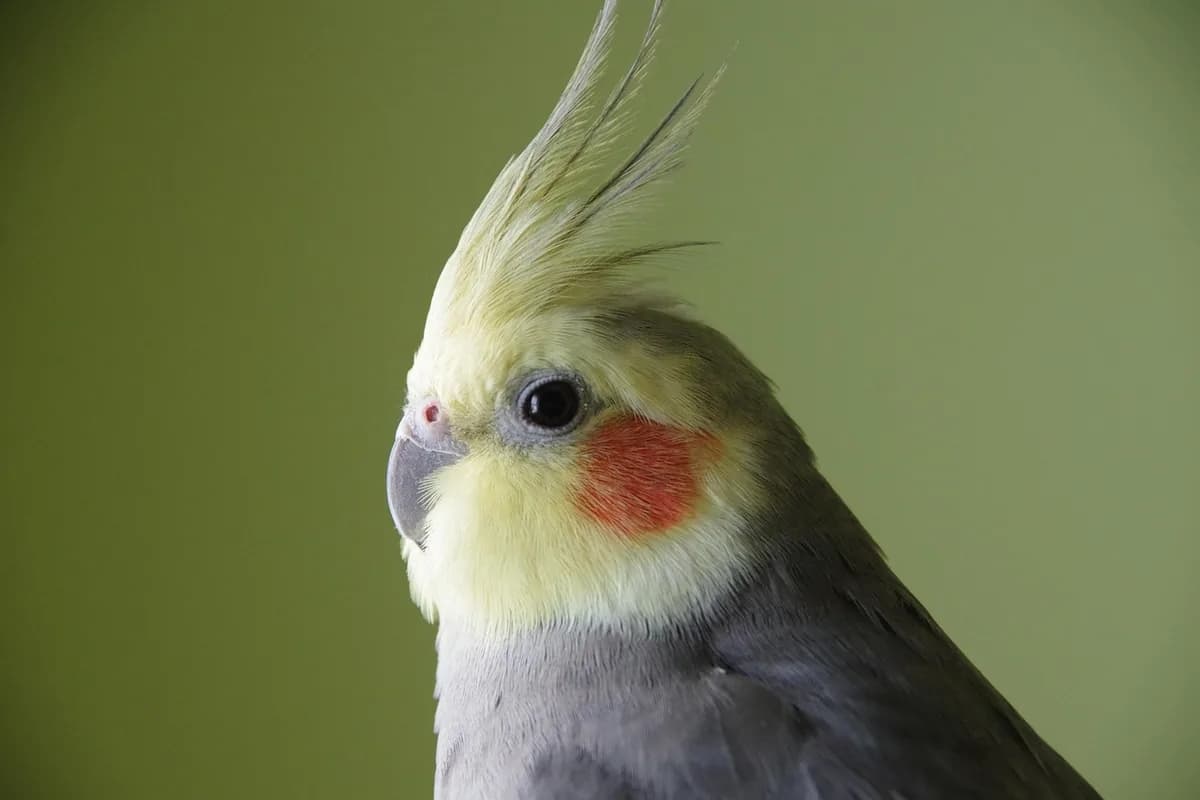
The cockatiel (Nymphicus hollandicus) is the bird most people picture when they imagine a friendly, whistling companion parrot. Native to the arid interior of Australia, it is the smallest member of the cockatoo family — and it carries the cockatoo signature everywhere it goes: an expressive crest, a dusting of fine powder down, and a deep need to be part of the flock. At Bird Sitting Toronto, where we board hundreds of birds a year, cockatiels are among the most common guests, and for good reason. They are gentle, affectionate, musical, and forgiving of first-time owners.
This guide is the hub. It covers who the cockatiel is, the housing they need to thrive, and a realistic daily routine, then points you to our deeper articles on diet, health, behaviour, and training.
Is a Cockatiel Right for You?
Cockatiels are widely considered the ideal beginner parrot, but "beginner" does not mean low-commitment.
- Lifespan: 15–25 years with good care. This is a decade-plus relationship — plan for it the way you would a dog or cat.
- Size: 30–33 cm (12–13 in) from head to tail-tip, weighing 80–120 g. Small enough for an apartment, big enough to need real cage space.
- Noise: Modest — about a 2 out of 5. Expect cheerful morning and evening "flock calls," contact whistles, and, in males, tune-mimicking. They are far quieter than a conure or a true cockatoo, which makes them a realistic choice for a Toronto condo.
- Talking: Limited — around 2 out of 5. Some males pick up a few words, but cockatiels are whistlers at heart. If you want a talker, adjust your expectations; if you want a bird that will learn your ringtone, you have the right species.
- Temperament: Affectionate, gentle, cuddly, and social. Many bond hard to one person and ask for daily head scratches.
Tip: Cockatiels are flock animals. If you are away from home 12 hours a day and cannot commit to daily interaction, strongly consider keeping two — or choosing a more independent species.
Housing: The Foundation of Good Care
Cockatiels are long-tailed and love to move sideways, climb, and stretch. Horizontal space matters as much as height.
| Spec | Recommendation |
|---|---|
| Minimum cage (one bird) | 60 × 45 × 60 cm (24 × 18 × 24 in) — bigger is always better |
| Bar spacing | 1.3–1.6 cm (1/2 to 5/8 in) — narrow enough that a head can't get stuck |
| Cage shape | Rectangular. Round cages give a flock bird no corner to feel secure in and can stress the tail |
| Bar orientation | Include horizontal bars on at least two sides for climbing |
Choose the largest cage your space allows. A cockatiel should be able to fully open both wings and flap without touching the sides, and to hop between perches rather than only side-step.
Inside the Cage
- Perches of varying diameter. Natural wood branches (about 1.3–2 cm across) exercise the feet and prevent pressure sores. Avoid an all-dowel setup and skip sandpaper perch covers, which abrade the soles.
- Food and water stations placed away from and below perches so droppings don't fall into them.
- A few toys, rotated weekly — shreddable paper, soft wood, and a foraging toy or two. Cockatiels are chewers and foragers.
- No mirror as a substitute for company in a single bird, and avoid the classic cockatiel hazards: rope/fibre toys that snag toenails, and any toy small enough to trap a foot.
Placement and Room Conditions
Put the cage in a social room where the family gathers — a den or living room — but out of the direct line of kitchen fumes, drafts, and harsh sun. A comfortable ambient range is roughly 18–26 °C (65–78 °F); cockatiels tolerate normal home temperatures well but hate sudden drafts and chills.
Warning: Toronto's winter forced-air heat dries indoor air severely. Cockatiels produce powder down and are prone to respiratory issues, so aim for 40–60% humidity with a room humidifier, and never run PTFE/Teflon-coated cookware, self-cleaning ovens, scented candles, or aerosols near your bird — the fumes can be rapidly fatal.
A Realistic Daily Routine
Cockatiels thrive on predictability. A workable day looks like this:
- Morning: Uncover the cage, greet your bird, and refresh food and water. Serve the fresh/chopped portion of the diet early, when appetite is highest.
- Daytime: Open-cage or out-of-cage time in a bird-proofed room — a minimum of 2–3 hours of interaction and supervised flight/exercise daily. Foraging toys keep them busy when you can't.
- Evening: Wind-down time with the flock — head scratches, quiet whistling, training. Do a quick droppings-and-appetite check.
- Night: Cover the cage and give 10–12 hours of dark, quiet, uninterrupted sleep. Because cockatiels are famously prone to night frights — thrashing panic in total darkness — leave a small night light nearby so a startled bird can orient instead of injuring itself.
Weekly, deep-clean the cage; monthly, weigh your bird on a gram scale to catch problems early (cockatiels are obesity-prone, and steady weight is your best health barometer).
The Rest of the Picture — Go Deeper
This overview gets you set up. Each pillar has its own dedicated guide:
- Diet: Cockatiels are seed-prone granivores that need vegetables for vitamin A and are easy to overfeed. See our Diet and Nutrition guide for the pellet-forward plan, safe and toxic foods, and how to convert a seed junkie.
- Health: Watch for night frights, chronic egg-laying in hens, fatty liver, vitamin A deficiency, and respiratory disease. Our Common Health Issues guide covers signs, prevention, and when it's an emergency.
- Behaviour: The crest is your bird's mood dial — up for alert and curious, flat or flared for fear. Our Behaviour and Body Language guide decodes every signal.
- Training: Step-up, recall, and whistling tunes come naturally to this species. Our Training Tips guide walks you through positive-reinforcement methods.
Get the housing, routine, and sleep right, and you have built the platform on which everything else — a healthy diet, a confident bird, and a trusting friendship — stands.
Explore related topics
Related Articles

Best Talking Parrot Species Ranked: From Chatterbox to Silent Type
Which parrots actually talk? Here's an honest ranking with realistic expectations for each species.
Bourke's Parakeet: The Complete Care Guide for This Gentle Species
Bourke's parakeets are the calmest, quietest parrots you'll ever meet. Perfect for beginners and apartments.
Lineolated Parakeet: The Complete Care Guide for Linnies
Lineolated parakeets (linnies) are quirky, quiet, and surprisingly cuddly. Here's everything you need to know.