Common Cockatiel Health Issues and How to Prevent Them
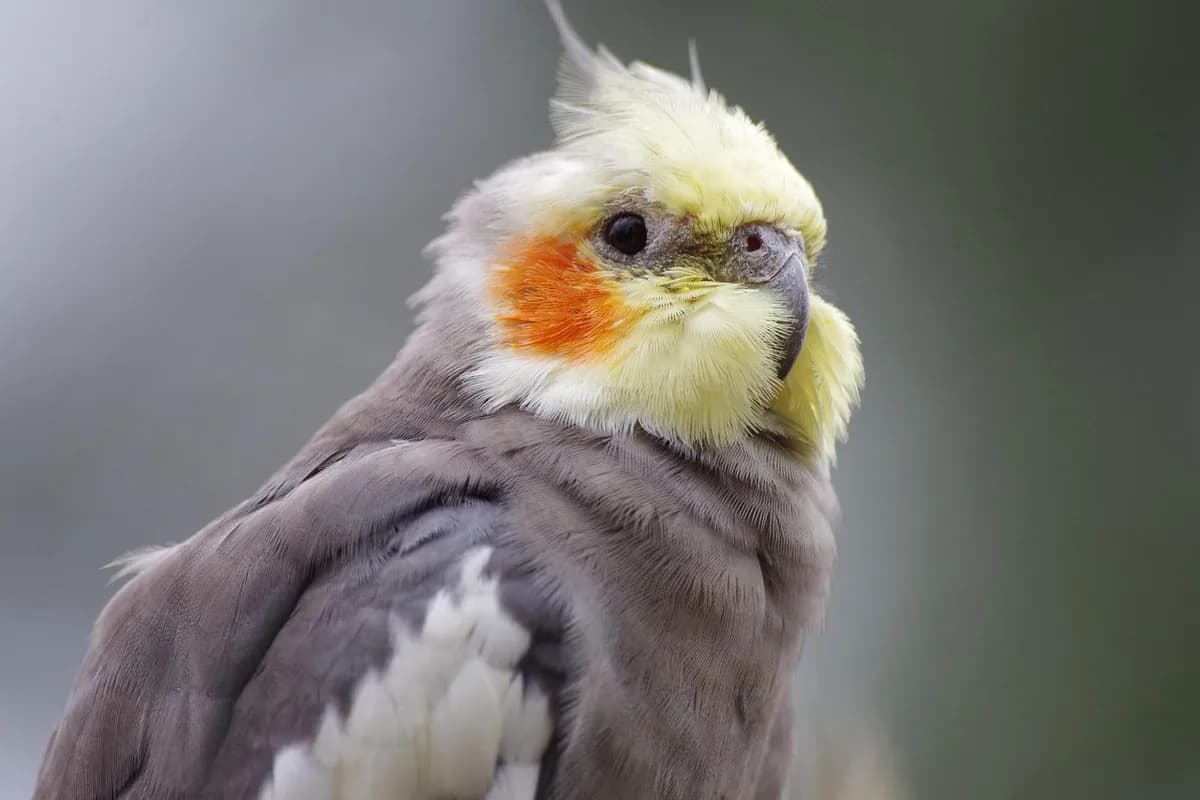
Cockatiels are hardy little birds, but they are masters of hiding illness. As a prey species, a cockatiel instinctively conceals weakness until it is genuinely unwell — which means a bird that "suddenly" looks sick has often been compensating for days. Your job is to know this species' specific vulnerabilities, watch closely, and act fast. At Bird Sitting Toronto, where we board hundreds of birds a year, the owners who catch problems early are almost always the ones weighing their bird monthly and knowing what "normal" looks like.
The Conditions Cockatiels Are Actually Prone To
Night Frights
More than almost any other companion parrot, cockatiels suffer night frights — episodes of blind thrashing in the dark, set off by a sudden sound, a passing headlight, or vibration. A panicking bird can smash into cage bars and break blood feathers, split a wing, or injure its head. Prevention is straightforward: leave a dim night light near the cage so a startled bird can see to settle, keep the sleep area quiet and stable, and use a cage with no sharp hardware. After an episode, check for bleeding and calm the bird gently.
Chronic Egg-Laying (Hens)
A female cockatiel does not need a male to lay eggs, and some hens lay clutch after clutch. Chronic egg-laying drains calcium and protein, leading to weakness, thin-shelled or soft eggs, and the risk of egg binding — a life-threatening emergency in which an egg gets stuck. Reduce laying by limiting daylight to a natural 10–12 hours, removing nest-like huts and dark corners, not petting your hen down the back, and keeping her diet rich in calcium. A hen straining, sitting fluffed on the cage floor, or "tail-wagging" with effort needs a vet immediately.
Fatty Liver Disease (Hepatic Lipidosis)
Cockatiels are obesity-prone granivores, and a lifetime of seed leads to fat accumulating in the liver. Signs include an overgrown, flaky beak, black feather discoloration, weight gain, and eventually lethargy. The prevention is dietary — see our nutrition guide — but the point bears repeating here: fatty liver is the price of an all-seed bowl, and it is common in cockatiels over a few years old.
Vitamin A Deficiency
Seed is nearly devoid of vitamin A, and chronic deficiency (hypovitaminosis A) is one of the most common underlying problems in pet cockatiels. It damages the linings of the mouth, respiratory, and reproductive tracts — producing white plaques in the mouth, recurrent sneezing and sinus infections, and poor feather quality. Orange and dark-green vegetables prevent it.
Respiratory Disease
Cockatiels produce fine powder down and have delicate airways, making them sensitive to airborne irritants. Fumes from PTFE/Teflon-coated cookware, self-cleaning ovens, scented candles, aerosols, and smoke can be rapidly fatal. Vitamin A deficiency and poor humidity make infections more likely. Watch for tail-bobbing with each breath, open-mouth breathing, nasal discharge, sneezing, or a change in voice.
PBFD (Psittacine Beak and Feather Disease)
A viral disease caused by a circovirus that attacks feathers, beak, and the immune system. Signs include abnormal, deformed, or lost feathers that don't regrow, and beak abnormalities. There is no cure, so prevention is everything: quarantine any new bird for at least 30 days, and have new or unwell birds tested by an avian vet.
Giardia and Other Parasites
Cockatiels are among the birds most associated with giardia, a protozoal gut parasite. It causes loose or bulky droppings, weight loss, and — classically — itchiness that can trigger feather-picking, especially over the flanks and legs. Diagnosis needs a vet's fecal testing, and it is treatable.
Reading a Sick Bird — The General Signs
Because cockatiels hide illness, learn to spot the subtle tells. Call your vet if you see:
- Sitting fluffed up for long stretches, often on the cage floor
- Tail-bobbing with each breath, or any open-mouth breathing
- Loss of appetite, or dramatically increased/decreased water intake
- Changes in droppings — colour, consistency, or volume (know your bird's normal)
- Lethargy, sleeping much more than usual, or eyes closing during the day
- Weight loss on the gram scale, or a prominent, sharp keel bone
- Vomiting (as opposed to affectionate regurgitation), or discharge from eyes/nares
Preventive Care and Wellness Exams
- Annual avian-vet wellness exam — a physical, weight check, and often bloodwork, plus fecal testing. Birds over 5 benefit from routine bloodwork to catch liver and organ trends early.
- Weigh monthly (weekly during a diet change) on a gram scale. Trends catch illness before it shows.
- Quarantine new birds 30 days away from your current flock.
- 10–12 hours of dark, quiet sleep nightly, with that night light for fright prevention.
- Humidity 40–60% — important in dry Toronto winters — and a smoke-free, fume-free home.
- A balanced, vegetable-rich diet to prevent the vitamin A and fatty-liver problems above.
Tip: Every Toronto-area cockatiel owner should identify a qualified avian veterinarian before an emergency — not every clinic sees birds. Save the number, and know their after-hours options, while your bird is healthy.
When It's an Emergency
Seek emergency avian care immediately — do not wait for morning — if you see any of the following:
- Labored breathing, tail-bobbing, or open-mouth breathing
- Bleeding from anywhere (including a broken blood feather)
- A hen straining to pass an egg (suspected egg binding)
- Sitting on the cage bottom, unable to perch, or loss of balance/seizures
- Complete refusal to eat for more than 12 hours
- Fluid or blood from the mouth, sudden swelling, or a serious fall/injury
Warning: A cockatiel weighs only 80–120 g. It has almost no reserve, so it can decline from "a bit off" to critical within hours. When in doubt, treat it as urgent.
Brief Home First Aid
First aid buys time to reach the vet — it does not replace one. Keep the sick or injured bird warm (around 29–30 °C / 85 °F) and quiet in a covered carrier. For a bleeding broken blood feather or nail, apply gentle pressure with cornstarch or styptic powder — never on skin. Then call your avian vet or nearest emergency clinic and go. The single most valuable thing you can do for a cockatiel is act early: with this species, the difference between a routine recovery and a loss is often just a few hours.
Explore related topics
Related Articles
Aspergillosis in Birds: The Invisible Fungal Killer
Aspergillosis is one of the most common and deadly avian diseases. It's caused by a fungus that's everywhere in our environment.
The Avian First Aid Kit: 25 Essential Supplies Every Bird Owner Needs
When an emergency happens, you need supplies ready NOW. Here's what every bird owner should have on hand.
Bird Insurance: Is It Worth It? A Complete Guide to Avian Pet Insurance
A single emergency vet visit can cost $2000+. Pet insurance for birds exists — here's whether it's worth the premium.