How to Find and Choose the Right Avian Veterinarian
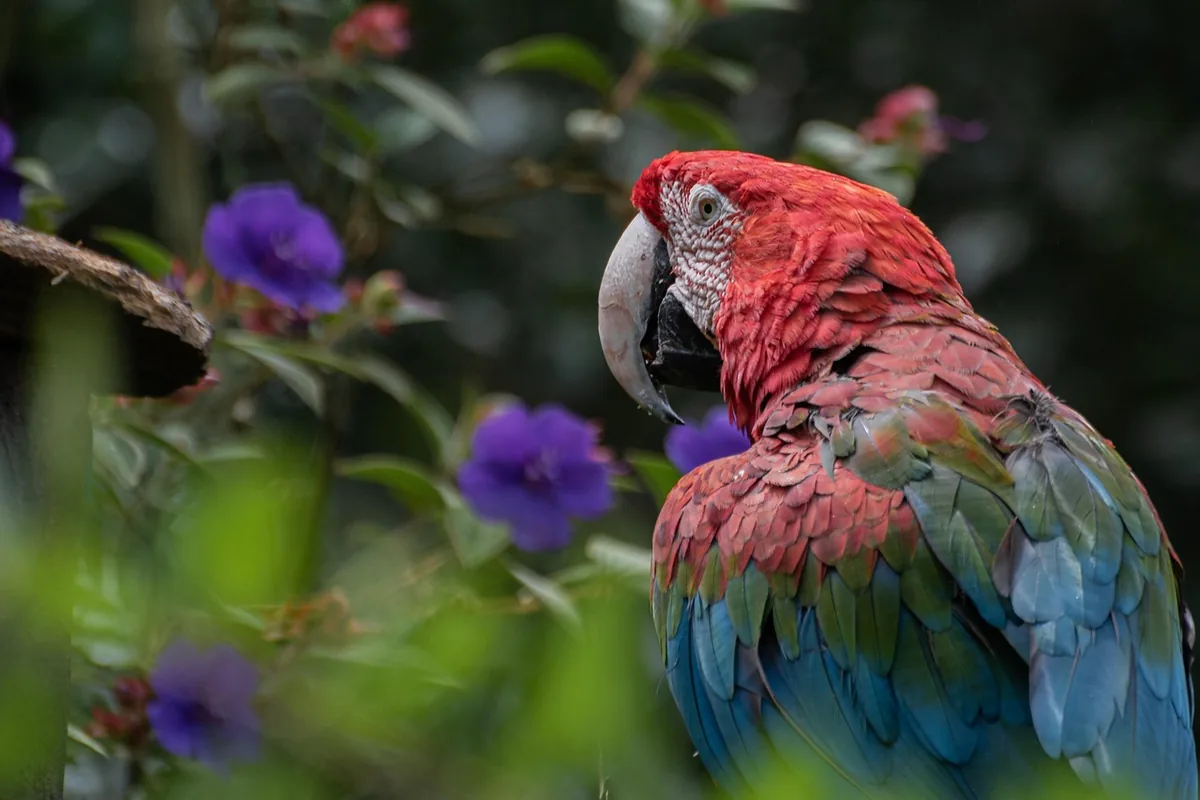
Finding the Right Veterinary Care for Your Feathered Friend
Your bird's health depends on specialized veterinary care that goes far beyond what most general practice vets can provide. While your family veterinarian might be wonderful with dogs and cats, birds require a completely different level of expertise and understanding. Here's the thing — finding the right avian veterinarian before you need one could literally save your bird's life.
In our experience boarding over 1,000 birds at BST, we've seen the dramatic difference that quality avian veterinary care makes. Birds who see specialized avian vets tend to live longer, healthier lives with fewer emergency situations. Let's walk through everything you need to know about finding and choosing the right veterinary partner for your feathered companion.
Why Your Regular Vet Isn't Enough
Birds aren't just "small dogs with wings" — they're fundamentally different creatures with unique anatomy, physiology, and medical needs that require specialized knowledge and equipment.
Birds Hide Illness Until It's Critical
In the wild, showing weakness means becoming prey. Your bird's instinct is to appear healthy even when seriously ill, often until they're in critical condition. An experienced avian veterinarian knows the subtle signs to look for during routine exams that general practitioners might miss entirely.
Unique Anatomy and Physiology
Birds have air sacs instead of diaphragms, hollow bones, different organ placement, and metabolisms that run much faster than mammals. Medications that are safe for dogs or cats can be toxic to birds, and dosing calculations are completely different. Even something as simple as restraining a bird for examination requires specific techniques to avoid injury.
Specialized Equipment and Procedures
Proper avian medicine requires specialized equipment like gram stain capabilities, appropriate-sized instruments, and knowledge of bird-specific diagnostic procedures. Many general vets simply don't have these tools or the training to use them effectively.
Important: We've seen too many emergency situations that could have been prevented with proper avian veterinary care. Don't wait until your bird is sick to establish this crucial relationship.
What to Look For in an Avian Veterinarian
Board-Certified Avian Veterinarians (ABV)
The gold standard is a veterinarian with ABV (American Board of Veterinary Practitioners - Avian Practice) certification. These vets have completed additional residency training specifically in avian medicine and passed rigorous board examinations.
Extensive Avian Experience
If a board-certified avian vet isn't available in your area, look for veterinarians who:
- Dedicate a significant portion of their practice to birds (ideally 50% or more)
- Regularly attend avian veterinary continuing education
- Are members of the Association of Avian Veterinarians (AAV)
- Have been treating birds for several years
- Come recommended by local bird breeders, rescues, or experienced bird owners
Modern Facilities and Equipment
Your chosen vet should have:
- In-house laboratory capabilities for immediate blood work and gram stains
- Appropriate-sized instruments for birds
- Proper heating and oxygen support equipment
- Digital radiography capabilities
- Clean, well-organized facilities
How to Find Qualified Avian Veterinarians
Association of Avian Veterinarians Directory
The AAV maintains an online directory of veterinarians who specialize in avian medicine. You can search by location at www.aav.org under their "Find a Vet" section. This is your best starting point for locating qualified professionals in your area.
Local Bird Community Referrals
Connect with your local bird community for recommendations:
- Bird clubs and societies
- Reputable bird breeders
- Bird rescue organizations
- Pet stores that specialize in birds (not chain stores)
- Online bird forums for your geographic area
Veterinary School Referrals
If you live near a veterinary college, contact them for referrals. Many have exotic animal or avian specialists on staff or can recommend recent graduates with avian training.
Questions to Ask During Your First Visit
Before committing to a veterinarian, schedule a consultation or wellness exam and ask these important questions:
About Their Experience
- What percentage of your practice involves birds?
- How long have you been treating birds?
- Are you a member of the Association of Avian Veterinarians?
- Do you attend continuing education specifically for avian medicine?
- What's the most common bird species you treat?
About Their Services
- Do you perform gram stains in-house?
- Can you do complete blood counts and chemistry panels here?
- What emergency services do you provide?
- Do you have relationships with emergency clinics for after-hours care?
- What's your policy for urgent same-day appointments?
About Their Approach
- What does a routine wellness exam include for birds?
- How often do you recommend wellness visits for healthy birds?
- What's your philosophy on preventive care?
- How do you handle bird emergencies?
Pro Tip: A good avian vet will welcome these questions and answer them thoroughly. If they seem annoyed or dismissive, keep looking.
What a Proper Avian Examination Should Include
A comprehensive avian wellness exam should involve several key components that demonstrate the vet's understanding of bird-specific medicine.
Physical Examination
The vet should examine:
- Eyes, nostrils, and beak for discharge or abnormalities
- Crop (if visible) for proper emptying
- Chest and abdomen for masses or abnormal sounds
- Feet and legs for lesions or swelling
- Vent area for cleanliness and normal appearance
- Overall body condition and posture
Weight and Body Condition Assessment
Your bird should be weighed on a gram scale at every visit. The vet should assess body condition by feeling the breast muscle (keel bone area) to evaluate fat and muscle condition.
Diagnostic Testing
For wellness visits, expect:
- Gram stain of fresh droppings — This quick test reveals bacterial balance and potential infections
- Complete blood count (CBC) — Shows white blood cell count, red blood cell count, and overall blood health
- Blood chemistry panel — Evaluates organ function, especially liver and kidneys
Behavioral Assessment
An experienced avian vet will observe your bird's behavior, posture, and breathing pattern both in and out of the carrier. They should ask detailed questions about your bird's diet, activity level, and any behavioral changes.
Emergency Veterinary Options
After-Hours Care
Ask your primary avian vet about their emergency protocols:
- Do they provide after-hours phone consultations?
- Which emergency clinics do they recommend?
- Do any local emergency vets have avian experience?
- What's the protocol for urgent situations?
Emergency Clinic Preparation
If your area doesn't have 24-hour avian emergency care:
- Identify the closest emergency clinic that will see birds
- Keep their contact information easily accessible
- Know the route and approximate travel time
- Have a carrier ready at all times
Warning: Bird emergencies progress rapidly. Know your emergency options before you need them, and don't hesitate to seek immediate care if your bird shows signs of illness.
Building the Relationship Before You Need It
Schedule Regular Wellness Visits
Even healthy birds should see an avian vet annually, or every six months for older birds. This allows the vet to:
- Establish baseline values for your bird's health
- Catch problems early when they're more treatable
- Build familiarity with your bird's normal behavior
- Develop a relationship with you as a bird owner
Keep Detailed Records
Maintain records of:
- All veterinary visits and findings
- Vaccination dates (if applicable)
- Weight trends over time
- Any medications or supplements given
- Behavioral or dietary changes
Establish Communication Preferences
Find out how your vet prefers to handle:
- Appointment scheduling
- Follow-up questions
- Emergency contact procedures
- Test result notifications
Final Thoughts
Finding the right avian veterinarian is one of the most important decisions you'll make as a bird owner. The good news is that with some research and the right questions, you can find excellent care for your feathered friend. Start your search before you need emergency care, and don't settle for a vet who treats birds as an afterthought.
Remember, quality avian veterinary care is an investment in your bird's long-term health and your peace of mind. A great avian vet becomes a partner in keeping your bird healthy and happy for years to come. At BST, we work exclusively with board-certified avian veterinarians and experienced avian practitioners because we know the difference it makes — and your bird deserves nothing less.
Explore related topics
Related Articles
Aspergillosis in Birds: The Invisible Fungal Killer
Aspergillosis is one of the most common and deadly avian diseases. It's caused by a fungus that's everywhere in our environment.
The Avian First Aid Kit: 25 Essential Supplies Every Bird Owner Needs
When an emergency happens, you need supplies ready NOW. Here's what every bird owner should have on hand.
Bird Insurance: Is It Worth It? A Complete Guide to Avian Pet Insurance
A single emergency vet visit can cost $2000+. Pet insurance for birds exists — here's whether it's worth the premium.