Caring for a Middle-Aged Parrot: The Often-Forgotten Life Stage
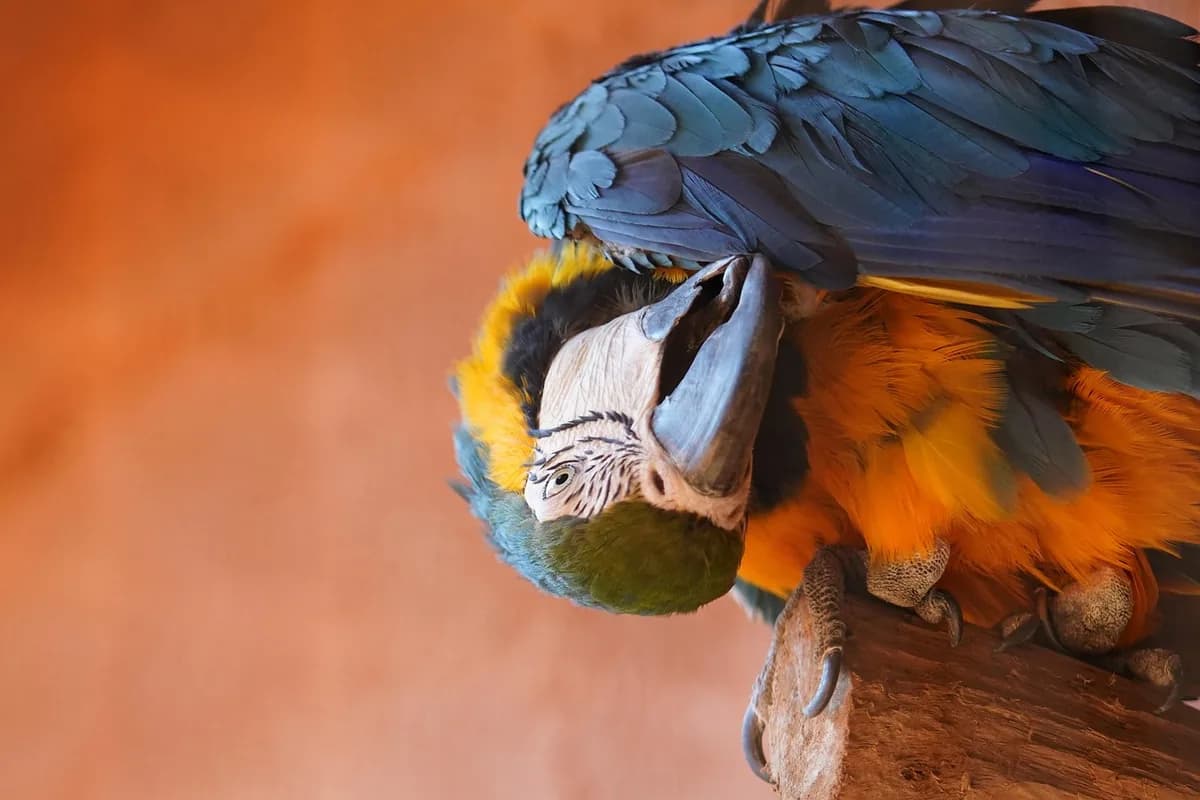
Understanding Your Middle-Aged Parrot's Unique Needs
Middle age in parrots is perhaps the most overlooked life stage in avian care. While we carefully research juvenile nutrition and prepare for senior care needs, the middle years often slip by without the specialized attention they deserve. Yet this period — spanning roughly the middle third of your bird's expected lifespan — brings distinct changes that require thoughtful adjustments to your care routine.
At Bird Sitting Toronto, we've observed hundreds of middle-aged parrots over the years, and we've noticed that owners who recognize and adapt to this life stage tend to have birds that age more gracefully and maintain better health into their senior years. Understanding what middle age looks like for your specific species is the first step in providing optimal care during this important transition period.
When Does Middle Age Begin?
The timing of middle age varies dramatically across parrot species, largely correlating with their expected lifespan. Smaller species reach middle age much earlier than their larger cousins.
Small Species (Budgerigars, Lovebirds, Parrotlets)
- Middle age begins: 3-5 years
- Typical lifespan: 8-15 years
- Key consideration: Changes happen quickly due to faster metabolism
Medium Species (Cockatiels, Conures, Caiques)
- Middle age begins: 8-12 years
- Typical lifespan: 20-30 years
- Key consideration: Gradual transitions allow for easier adaptation
Large Species (Amazons, African Greys, Macaws, Cockatoos)
- Middle age begins: 15-25 years
- Typical lifespan: 40-80+ years
- Key consideration: Extended middle age period requires long-term planning
Important Note: These are general guidelines. Individual birds may show middle-age characteristics earlier or later based on genetics, diet, exercise, and overall health history.
Recognizing Middle-Age Changes in Your Parrot
Personality Settling
Your once-unpredictable young parrot likely becomes more consistent in their preferences and reactions. While this stability can be comforting, it also means they may become less adaptable to change. You might notice:
- More predictable daily routines
- Stronger preferences for certain people or activities
- Less tolerance for disruptions to their schedule
- More pronounced reactions to unfamiliar situations
Physical Changes
Middle-aged parrots often experience subtle but important physical shifts:
- Weight fluctuations: Many birds gain weight as their metabolism slows
- Reduced activity levels: Less spontaneous playing or flying
- Feather quality changes: May become slightly duller or require more preening time
- Sleep pattern shifts: Potentially sleeping longer or more deeply
Behavioral Maturation
- Established social hierarchies within the household
- More selective about interactions and activities
- Potential increase in territorial behaviors
- Greater reliance on established routines for security
Nutritional Adjustments for the Middle Years
Metabolic Considerations
As your parrot's metabolism begins to slow, their caloric needs typically decrease while their nutritional quality requirements remain high or even increase.
Key dietary adjustments include:
- Portion control: Monitor weight weekly and adjust portions accordingly
- Nutrient density: Focus on foods that pack maximum nutrition per calorie
- Healthy fats: Include omega-3 rich foods like chia seeds and walnuts in moderation
- Antioxidant-rich foods: Emphasize colorful vegetables and fruits to support cellular health
Sample Daily Diet Adjustments
| Food Category | Juvenile/Young Adult | Middle-Aged | Notes |
|---|---|---|---|
| Pellets | 75-80% of diet | 70-75% of diet | High-quality, species-appropriate |
| Fresh vegetables | 15-20% | 20-25% | Increase variety and antioxidants |
| Healthy treats | 5-10% | 5% or less | More selective, nutrient-dense options |
| Seeds/nuts | Daily small amounts | 2-3 times weekly | Reduce frequency, maintain quality |
Weight Management Tip: Weigh your middle-aged parrot weekly at the same time of day. A 10% weight gain warrants dietary adjustments and potentially a veterinary consultation.
Exercise: Preventing the Middle-Age Spread
Combating Reduced Activity
Middle-aged parrots naturally become less active, but maintaining exercise is crucial for preventing obesity, muscle loss, and joint stiffness.
Effective exercise strategies:
- Flight time: If flight-capable, ensure daily flying opportunities
- Climbing activities: Provide varied perch heights and textures
- Foraging exercises: Hide food to encourage natural searching behaviors
- Interactive play: Engage in games that promote movement
- Training sessions: Short, positive training periods provide mental and physical stimulation
Creating Movement Opportunities
- Rearrange cage setup monthly to encourage exploration
- Use puzzle feeders that require manipulation
- Provide rope toys and climbing structures
- Encourage dancing or movement to music
- Practice recall training (for appropriate species)
Behavioral Changes and Management
Increased Set-in-Ways Attitude
Middle-aged parrots often become more particular about their preferences. While respecting their established likes and dislikes, it's important to continue providing gentle exposure to new experiences.
Strategies for managing behavioral changes:
- Gradual introductions: Present new foods, toys, or experiences slowly
- Positive associations: Pair new experiences with favored treats or activities
- Respect boundaries: Don't force interactions, but continue offering opportunities
- Maintain social connections: Regular interaction remains crucial even if preferences narrow
Addressing Reduced Adventurousness
- Start with minor variations to familiar activities
- Use high-value rewards for trying new things
- Keep sessions short and positive
- Celebrate small victories to build confidence
Health Monitoring in Middle Age
Establishing Baselines
Middle age is the perfect time to establish comprehensive health baselines that will prove invaluable as your parrot ages.
Essential health monitoring includes:
- Annual blood work: Complete blood count, chemistry panel, and protein electrophoresis
- Weight tracking: Weekly weigh-ins to catch changes early
- Behavioral documentation: Note normal patterns to identify future changes
- Physical examinations: Semi-annual veterinary checkups
- Dental and beak health: Regular assessment of wear patterns and growth
Early Detection Benefits
At Bird Sitting Toronto, we've seen how middle-age health monitoring pays dividends later. Birds with established baselines allow veterinarians to detect subtle changes that might indicate emerging health issues.
Health Tip: Create a simple log tracking your bird's weight, appetite, activity level, and any unusual behaviors. This information becomes invaluable during veterinary visits.
Keeping Enrichment Fresh and Engaging
Combating Cognitive Decline
Mental stimulation becomes increasingly important as parrots age. Middle-aged birds benefit from enrichment that challenges them without overwhelming their potentially decreased adaptability.
Effective enrichment strategies:
Rotating Enrichment Schedule
- Week 1: Foraging focus with hidden treats and puzzle feeders
- Week 2: Tactile exploration with new textures and materials
- Week 3: Auditory stimulation with varied music or nature sounds
- Week 4: Visual enrichment with safe mirrors, videos, or window views
Novel Food Presentations
- Serve familiar foods in new ways (skewered, frozen in ice, wrapped in paper)
- Introduce one new food item monthly
- Create "food bouquets" with vegetables arranged attractively
- Use different feeding locations occasionally
Mental Challenges
- Simple puzzle toys that can be mastered gradually
- Training new, easy tricks or behaviors
- Hide-and-seek games with favored treats
- Supervised exploration of bird-proofed new areas
Special Considerations for Middle-Aged Care
Social Needs Evolution
Your middle-aged parrot's social preferences may shift. Some become more selective about their human companions, while others may seek increased security through closer bonding.
Adapting to social changes:
- Respect preferred interaction styles
- Maintain consistent daily social time
- Include multiple family members in care routines
- Monitor for signs of loneliness or over-dependence
Environmental Stability
While enrichment remains important, middle-aged parrots often appreciate more environmental stability than younger birds.
- Maintain consistent cage location and setup
- Keep major household routines predictable
- Introduce changes gradually over several days
- Provide secure "retreat" spaces within their environment
Final Thoughts
Middle age in parrots represents a unique opportunity to set the foundation for healthy aging. By recognizing the subtle changes that occur during this often-overlooked life stage, you can make thoughtful adjustments that support your bird's evolving needs while maintaining their quality of life.
The key lies in finding the balance between respecting your middle-aged parrot's increasing preferences and continuing to provide appropriate stimulation and care. Regular health monitoring, thoughtful dietary adjustments, consistent exercise opportunities, and fresh enrichment all contribute to helping your feathered companion navigate this transition period successfully.
Remember that every bird ages differently, and what works for one middle-aged parrot may need adjustment for another. Stay observant, remain flexible in your approach, and don't hesitate to consult with an avian veterinarian when you notice changes in your bird's behavior, appetite, or activity level. With proper attention to their middle-age needs, you're investing in many more years of companionship with your beloved parrot.
Explore related topics
Related Articles
Aspergillosis in Birds: The Invisible Fungal Killer
Aspergillosis is one of the most common and deadly avian diseases. It's caused by a fungus that's everywhere in our environment.
The Avian First Aid Kit: 25 Essential Supplies Every Bird Owner Needs
When an emergency happens, you need supplies ready NOW. Here's what every bird owner should have on hand.
Bird Insurance: Is It Worth It? A Complete Guide to Avian Pet Insurance
A single emergency vet visit can cost $2000+. Pet insurance for birds exists — here's whether it's worth the premium.