Caring for a Baby Parrot: Your Complete First Year Guide
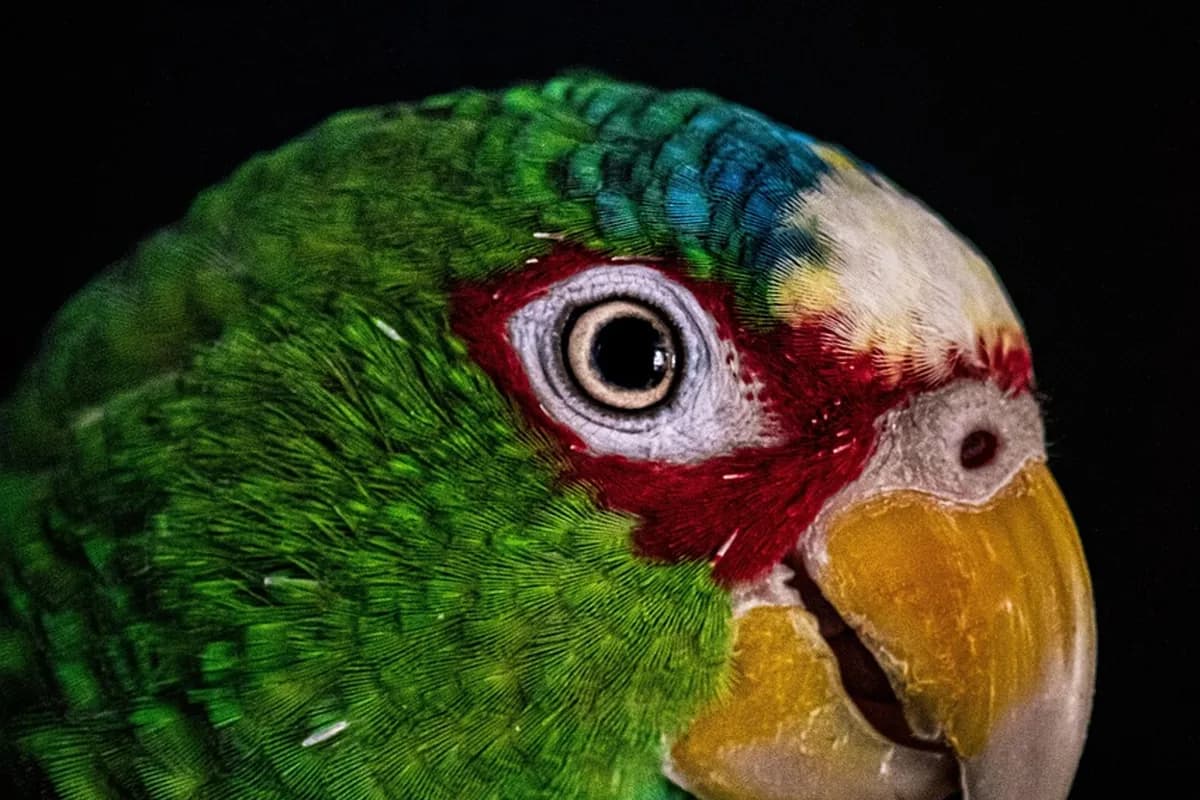
The First Year Journey: From Hatchling to Happy Companion
Bringing home a baby parrot marks the beginning of an incredible journey that will span decades. That first year is absolutely crucial for your bird's physical development, emotional well-being, and the bond you'll share together. Whether you've adopted a hand-fed baby or are helping with the weaning process, understanding what to expect month by month will help you provide the best possible care during these formative months.
At Bird Sitting Toronto, we've cared for hundreds of baby parrots during their first year, and we've learned that patience, consistency, and understanding your bird's developmental stages make all the difference. This guide will walk you through each phase, helping you celebrate milestones and recognize when professional guidance might be needed.
Months 1-2: Building Trust and Basic Care
The Weaning Process
If your baby parrot is still being hand-fed when you bring them home, the weaning process will be your primary focus. This transition from formula to solid foods typically happens between 8-16 weeks, depending on the species.
Key weaning signs to watch for:
- Showing interest in your food
- Playing with food rather than just eating
- Crop emptying more quickly
- Increased independence at feeding time
Important: Never rush weaning. Let your baby set the pace. Some birds wean quickly, others take their time, and both approaches are normal.
Essential First Steps
Quarantine period: Keep your new baby separated from other birds for 30-45 days, even if they appear healthy. This protects both your existing birds and helps you monitor your new companion's health.
First veterinary visit: Schedule this within the first week. Your avian vet will perform a wellness exam, discuss proper diet, and may recommend baseline blood work.
Gentle socialization: Begin with quiet, calm interactions. Speak softly, move slowly, and let your baby observe your daily routines from their safe space.
Setting Up for Success
Create a warm, secure environment with:
- Appropriate-sized perches (natural wood branches work well)
- Food and water dishes at comfortable heights
- A few simple toys for exploration
- Consistent 10-12 hours of darkness for proper sleep
Months 3-4: Expanding Horizons
Introducing Varied Foods
Now's the perfect time to introduce a diverse diet. Young parrots are naturally curious about new foods, making this window ideal for establishing healthy eating habits.
Foods to introduce gradually:
- Fresh vegetables (leafy greens, carrots, broccoli)
- Safe fruits (apples, berries, melons)
- Cooked grains (quinoa, brown rice)
- Healthy pellets as the diet foundation
Tip: Eat meals together when possible. Parrots learn by watching their "flock" – and that's you!
First Training Sessions
Begin with simple, positive interactions:
- Target training using a chopstick or small dowel
- Step-up practice with gentle encouragement
- Name recognition through repetition
- Basic recall in a safe, enclosed space
Keep sessions short (5-10 minutes) and always end on a positive note.
Expanding Social Circle
Introduce your baby to different family members and trusted friends. This helps prevent over-bonding to one person and builds confidence around various people.
Socialization guidelines:
- Supervise all interactions
- Teach others proper handling techniques
- Maintain calm, positive energy
- Respect your bird's comfort level
Months 5-6: Growing Independence
First Molt
Many baby parrots experience their first molt during this period. You'll notice pin feathers emerging and some behavioral changes.
Supporting your molting bird:
- Increase humidity with gentle misting
- Provide extra protein through cooked eggs or legumes
- Offer more frequent baths
- Be patient with increased irritability
Flight Development
If your bird's wings aren't clipped, this is when flight skills really develop. Even clipped birds will practice flapping and short flights.
Flight safety considerations:
- Bird-proof your home thoroughly
- Install window screens
- Remove ceiling fans and other hazards
- Consider flight training in a controlled environment
Encouraging Independence
Your baby is becoming more confident and curious. Encourage this growth by:
- Providing foraging opportunities
- Rotating toys regularly
- Allowing supervised exploration time
- Gradually increasing time spent playing alone
Months 7-9: Personality Emerges
The Real Bird Appears
This is when your parrot's true personality starts shining through. You'll begin to see preferences for certain activities, foods, and even people.
Common personality developments:
- Favorite toy preferences
- Vocal experimentation increases
- Play style becomes apparent
- Social preferences emerge
Boundary Testing Begins
Don't be surprised if your previously sweet baby starts testing limits. This is normal adolescent behavior, not a sign you've done something wrong.
Managing boundary testing:
- Stay consistent with rules
- Redirect unwanted behaviors
- Reward good choices immediately
- Maintain calm, patient energy
Continued Socialization
Expand your bird's world by introducing:
- New environments (supervised outdoor time in a carrier)
- Different textures and materials
- Various sounds and music
- Novel objects for investigation
Warning: Always supervise new experiences and watch for signs of stress like rapid breathing, feather plucking, or excessive vocalization.
Months 10-12: Establishing Lifelong Patterns
Routine Development
By now, your parrot thrives on predictable routines. Establish consistent patterns for:
- Wake-up and bedtime schedules
- Meal times
- Play and training sessions
- Out-of-cage time
Early Puberty Signs
Some smaller species may show early hormonal changes, while larger parrots typically won't reach sexual maturity for several years.
Potential early signs include:
- Increased territorial behavior
- Changes in vocalization patterns
- Regurgitation behavior
- Increased aggression or moodiness
Annual Health Check
Schedule a comprehensive veterinary exam including:
- Physical examination
- Weight assessment
- Blood work if recommended
- Discussion of any behavioral concerns
Milestones to Celebrate
Throughout your bird's first year, celebrate these important achievements:
Month 2: Successfully weaned and eating independently Month 4: Comfortable with basic handling and step-up Month 6: First successful molt completed Month 8: Strong flight skills (if unclipped) or confident movement Month 10: Clear personality and preferences established Month 12: Healthy, well-socialized companion bird
Warning Signs to Watch For
Contact your avian veterinarian immediately if you notice:
- Sudden changes in appetite or droppings
- Labored breathing or tail bobbing
- Excessive feather plucking or self-mutilation
- Lethargy or loss of interest in surroundings
- Aggressive behavior that escalates quickly
- Regression in previously learned behaviors
Building Your Support Network
Don't navigate this journey alone. Connect with:
- Local parrot clubs and meetups
- Online communities specific to your bird's species
- Experienced bird owners in your area
- Professional trainers and behaviorists
Final Thoughts
Your baby parrot's first year is filled with incredible growth, learning, and bonding opportunities. Remember that every bird develops at their own pace – some may reach milestones early while others take their time, and both approaches are perfectly normal.
The investment you make in proper care, socialization, and training during this crucial first year will pay dividends throughout your bird's life. Stay patient, remain consistent, and don't hesitate to seek professional guidance when needed. With proper care and attention, you're laying the foundation for decades of companionship with your feathered friend.
At Bird Sitting Toronto, we've seen how proper first-year care creates confident, well-adjusted adult parrots. Trust the process, celebrate the small victories, and enjoy watching your baby grow into the amazing companion they're destined to become.
Explore related topics
Related Articles
Aspergillosis in Birds: The Invisible Fungal Killer
Aspergillosis is one of the most common and deadly avian diseases. It's caused by a fungus that's everywhere in our environment.
The Avian First Aid Kit: 25 Essential Supplies Every Bird Owner Needs
When an emergency happens, you need supplies ready NOW. Here's what every bird owner should have on hand.
Bird Insurance: Is It Worth It? A Complete Guide to Avian Pet Insurance
A single emergency vet visit can cost $2000+. Pet insurance for birds exists — here's whether it's worth the premium.