Calcium Deficiency in Birds: The Silent Epidemic
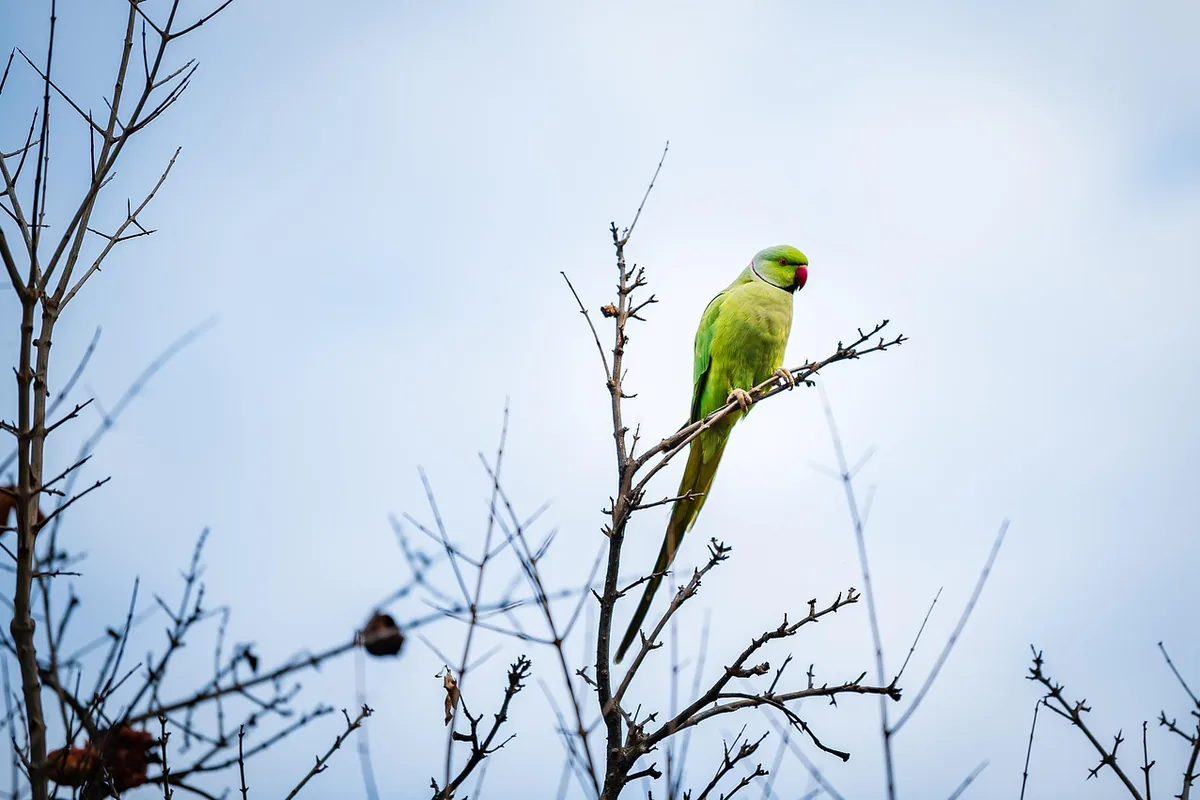
The Hidden Health Crisis in Your Bird's Diet
If you've ever watched your bird have a seizure, you know the heart-stopping terror that comes with it. One moment they're perched happily, the next they're convulsing uncontrollably. While many things can cause seizures in birds, calcium deficiency is one of the most common — and most preventable — culprits.
In our experience boarding over 1,000 birds at BST, we see calcium deficiency more often than any other nutritional disorder. The troubling part? Most bird parents have no idea their feathered friend is suffering until symptoms become severe. That's why we call hypocalcemia the "silent epidemic" of the bird world.
Here's the thing: calcium isn't just about strong bones. Your bird's entire body depends on adequate calcium levels to function properly, and when those levels drop, the consequences can be life-threatening.
Why Calcium is Critical for Your Bird
Think of calcium as your bird's internal conductor, orchestrating everything from heartbeats to wing flaps. While most people know calcium builds strong bones, its role goes far deeper than skeletal support.
Bone Development and Maintenance
Birds have unique skeletal needs. Their bones must be lightweight for flight yet strong enough to withstand the forces of takeoff and landing. Calcium provides the structural foundation, creating dense, resilient bone tissue. Without adequate calcium, bones become brittle and prone to fractures — a devastating injury for any bird.
Egg Formation in Laying Birds
Female birds face enormous calcium demands during breeding season. A single eggshell can contain up to 10% of a hen's total body calcium. If dietary calcium is insufficient, her body will literally rob calcium from her bones to form the shell, leaving her severely depleted.
Nerve Function and Muscle Contraction
Every time your bird moves — whether it's a gentle head tilt or powerful wing beat — calcium enables the nerve signals that trigger muscle contractions. Low calcium levels disrupt this communication system, leading to tremors, weakness, and in severe cases, seizures.
Blood Clotting and Heart Function
Calcium plays a crucial role in blood clotting and maintaining steady heart rhythms. Deficient birds may experience poor wound healing and irregular heartbeats.
The African Grey Connection: Why Some Species Are at Higher Risk
While any bird can develop calcium deficiency, African Greys are particularly susceptible. We see this repeatedly at BST — Grey parents calling in panic because their bird is having seizures or showing neurological symptoms.
African Greys have several risk factors that make them calcium deficiency magnets:
- High metabolic rate: Greys process nutrients quickly and need consistent calcium replenishment
- Picky eating habits: Many Greys develop strong food preferences, often rejecting calcium-rich options
- Stress sensitivity: Stress interferes with calcium absorption, and Greys are naturally anxious birds
- Breeding demands: Even non-breeding females can experience hormonal fluctuations that increase calcium needs
Important: If you have an African Grey, consider them high-risk for calcium deficiency and monitor closely for early warning signs.
Recognizing the Warning Signs
Calcium deficiency symptoms often develop gradually, making them easy to miss in the early stages. By the time most bird parents notice something's wrong, their bird may be in crisis.
Early Warning Signs
- Increased nervousness or anxiety
- Slight tremors, especially in the feet or head
- Changes in appetite or eating habits
- Reduced activity levels
- Poor feather quality or delayed molting
Advanced Symptoms
- Seizures: The most dramatic and dangerous symptom
- Severe tremors: Uncontrollable shaking that interferes with perching
- Weakness: Difficulty climbing or maintaining balance
- Egg binding: In laying females, inability to pass eggs
- Fractures: Bones breaking with minimal trauma
- Tetany: Muscle spasms and rigidity
Warning: Seizures and severe tremors are medical emergencies. Contact your avian veterinarian immediately if you observe these symptoms.
Calcium Sources: Building a Calcium-Rich Diet
The good news is that calcium deficiency is entirely preventable with proper nutrition. Your bird needs multiple calcium sources to meet their daily requirements.
Traditional Calcium Supplements
Cuttlebone The classic bird calcium source, cuttlebone provides easily accessible calcium plus entertainment value. Mount it securely in your bird's cage and replace when depleted. Some birds ignore cuttlebone initially but warm up to it over time.
Calcium Blocks and Mineral Blocks These compressed supplements offer concentrated calcium in convenient forms. Look for blocks specifically designed for birds, avoiding those with artificial colors or unnecessary additives.
Natural Food Sources
Dark Leafy Greens
- Kale (highest calcium content)
- Collard greens
- Mustard greens
- Bok choy
- Turnip greens
Other Calcium-Rich Foods
- Broccoli and broccoli leaves
- Almonds (in moderation)
- Sesame seeds (small amounts)
- Cooked quinoa
- Sweet potato with skin
The Eggshell Method
Clean, crushed eggshells provide an excellent calcium source. Boil eggs for 10 minutes, cool completely, remove shells, and bake at 250°F for 20 minutes to sterilize. Crush into small pieces and sprinkle over your bird's food.
Pro Tip: Offer calcium sources in multiple forms. Some birds prefer to nibble cuttlebone, while others enjoy calcium-rich vegetables. Variety ensures your bird gets adequate intake regardless of preferences.
The Vitamin D3 Connection: Why Sunlight Matters
Here's where many well-meaning bird parents go wrong: they provide calcium but forget about vitamin D3. Without adequate vitamin D3, your bird cannot absorb calcium effectively, no matter how much you offer.
UVB Light Requirements
Birds synthesize vitamin D3 through their skin when exposed to UVB light. Indoor birds miss this natural process unless you provide artificial UVB lighting.
UVB Lighting Guidelines:
- Use full-spectrum UVB bulbs designed for birds
- Position lights 12-18 inches from perches
- Provide 10-12 hours of UVB exposure daily
- Replace bulbs every 6-12 months (they lose UVB output over time)
Natural Sunlight Options
When weather permits, supervised outdoor time provides excellent UVB exposure. Even 30 minutes of filtered sunlight (through a screen, not glass) benefits calcium absorption.
Important: Never place your bird in direct sunlight without shade options. Birds can overheat quickly and cannot cool themselves effectively.
Species-Specific Calcium Requirements
Different bird species have varying calcium needs based on size, metabolism, and natural diet. Understanding your bird's specific requirements helps prevent both deficiency and excess.
| Species Group | Daily Calcium Need | Special Considerations |
|---|---|---|
| Small birds (finches, canaries) | 0.4-0.7% of diet | Fast metabolism, frequent small meals |
| Medium birds (cockatiels, conures) | 0.5-0.9% of diet | Active birds need consistent supply |
| Large birds (macaws, amazons) | 0.5-1.0% of diet | Longer lifespans increase bone health importance |
| African Greys | 1.0-1.2% of diet | Higher requirements due to susceptibility |
| Laying females | 2.0-4.0% of diet | Dramatically increased needs during breeding |
Adjusting for Life Stages
Growing Birds: Young birds need higher calcium levels for proper bone development. Increase calcium-rich foods during the first year of life.
Senior Birds: Older birds may absorb calcium less efficiently and benefit from easily digestible sources like liquid calcium supplements.
Breeding Birds: Both males and females need increased calcium during breeding season, with females requiring the highest levels.
Preventing Calcium Deficiency: Your Action Plan
Prevention is always easier than treatment when it comes to calcium deficiency. Here's your comprehensive approach:
Daily Nutrition
- Offer multiple calcium sources daily
- Include dark leafy greens in every meal
- Ensure fresh cuttlebone or calcium block availability
- Rotate calcium-rich foods to maintain interest
Environmental Support
- Provide adequate UVB lighting for indoor birds
- Offer supervised outdoor time when possible
- Maintain consistent lighting schedules
- Minimize stress through predictable routines
Regular Monitoring
- Watch for early warning signs
- Schedule annual avian veterinary checkups
- Consider blood work for high-risk species
- Track your bird's eating habits and preferences
Pro Tip: Keep a simple log of your bird's calcium source consumption. Note whether they're using cuttlebone, eating their greens, and showing normal activity levels. This information is invaluable for your veterinarian.
Final Thoughts
Calcium deficiency doesn't have to be a silent epidemic in your home. With proper nutrition, adequate UVB lighting, and attention to your bird's individual needs, you can ensure your feathered friend maintains strong bones, steady nerves, and vibrant health throughout their life.
Remember, every bird is different. What works for your friend's cockatiel might not suit your African Grey. Pay attention to your bird's preferences, work with your avian veterinarian to establish appropriate calcium levels, and don't hesitate to adjust your approach as needed.
The investment in proper calcium nutrition pays dividends in your bird's long-term health and happiness. After all, a bird with strong bones and steady nerves is a bird ready to enjoy life to the fullest — whether that's showing off their latest trick or simply sharing quiet moments with their favorite person.
Explore related topics
Related Articles

Aspergillosis in Birds: The Invisible Fungal Killer
Aspergillosis is one of the most common and deadly avian diseases. It's caused by a fungus that's everywhere in our environment.
The Avian First Aid Kit: 25 Essential Supplies Every Bird Owner Needs
When an emergency happens, you need supplies ready NOW. Here's what every bird owner should have on hand.
Bird Insurance: Is It Worth It? A Complete Guide to Avian Pet Insurance
A single emergency vet visit can cost $2000+. Pet insurance for birds exists — here's whether it's worth the premium.