Caique Care Guide: Living With a Feathered Class Clown

There is a reason experienced keepers call caiques the class clowns of the parrot world. These stocky little birds from the Amazon Basin hop instead of walk, wrestle with their toys, roll onto their backs to play, and famously "surf" by rubbing along a towel or your forearm. At Bird Sitting Toronto, where we board hundreds of birds every year, the caiques are the ones the whole team remembers — small in size, enormous in personality. This guide is the hub: it covers who the caique is, how to house one properly, and a daily routine, then points you to our deeper articles on diet, behavior, health, and training.
Is a Caique Right for You?
Caiques (genus Pionites) are compact parrots, only about 23 cm (9 in) long and weighing 150–170 g — roughly the size of a cockatiel but built like a tiny tank. What they lack in size they make up for in raw energy. Expect a bird that is playful to the point of exhausting, mischievous, and deeply beak-oriented.
A few honest points before you commit:
- Lifespan: With good care a caique can live 25–40 years. This is a multi-decade relationship, not a passing phase.
- Noise: We rate the caique a 3 out of 5 for volume. They are not the earth-shaking screamers a macaw or cockatoo can be, but they have a piercing alarm whistle and love to use it. Apartment-friendly with realistic expectations, not silent.
- Talking: A 1 out of 5. Caiques rarely become clear talkers. A few pick up a word or two, but you are adopting an acrobat and a comedian, not a conversationalist.
- Experience level: Intermediate. Their high drive, nippy play, and stubborn streak make them a challenging first bird, though a committed beginner who does the homework can succeed.
Tip: Caiques are notoriously beaky and can be one-person birds who defend "their" human. If you have young children or other small pets, start bite-pressure training early and supervise every interaction. More on this in our behavior and training articles.
Housing: Room to Bounce
A caique's body is small, but its need for movement is not. These birds hop, climb, hang upside down, and body-slam their toys, so floor and vertical play space matter more than for a calmer bird of the same size.
| Housing spec | Recommendation |
|---|---|
| Minimum cage size (single bird) | 60 x 60 x 60 cm (24 x 24 x 24 in) — bigger is always better |
| Preferred width | 80 cm (32 in) or wider for horizontal hopping room |
| Bar spacing | 1.3–1.9 cm (1/2 to 3/4 in) — never wider, to prevent a small head slipping through |
| Cage shape | Rectangular with corners; skip round cages, which offer no secure corner |
| Bar orientation | Include horizontal bars for climbing |
Furnish the cage for an athlete. Provide natural wood perches of varying diameters (2–2.5 cm / roughly 3/4 to 1 in) to exercise the feet and prevent pressure sores, plus a rope perch or two for grip variety. Add ladders, swings, and plenty of destructible foraging toys — caiques are demolition experts and need things they are allowed to shred. Rotate toys weekly to keep that busy mind occupied.
Placement matters. Put the cage in a social part of the home so your caique feels part of the flock, but away from the kitchen (cooking fumes and non-stick cookware can be fatal to birds), out of direct sun, and clear of drafts. Aim for a comfortable room temperature of roughly 18–26 C (65–80 F). Toronto's dry winter indoor heating is hard on tropical birds, so watch for itchy, flaky skin and support bathing and humidity through the cold months.
Warning: Never use PTFE/Teflon-coated cookware, self-cleaning oven cycles, scented candles, or aerosol sprays anywhere near your bird. Their air-sac respiratory system concentrates airborne toxins fast, and exposure can kill within minutes.
A Daily Care Routine
Consistency keeps a caique settled and out of trouble. A realistic day looks like this:
- Morning: Uncover, greet, and serve fresh chop (vegetables and a little fruit) plus a measured portion of pellets. Refresh water. Open the cage for the first out-of-cage session.
- Midday: Foraging toys and independent play. A quick weight check on a gram scale a couple of times a week helps you catch problems early.
- Afternoon/evening: The main out-of-cage block — 3 to 4 hours of supervised interaction, physical play, wrestling with foot toys, and short training sessions. This is where you burn off that famous energy.
- Night: Remove uneaten fresh food, tidy the cage, and cover for 10–12 hours of dark, quiet sleep. Overtired caiques get cranky and nippy.
Spot-clean daily, do a full cage deep-clean weekly, and offer a bath or shallow dish often — caiques adore bathing and will happily soak themselves.
The Rest of the Picture (Go Deeper)
This guide is the overview. Each topic below has its own full article:
- Diet and nutrition. In short: a high-quality pellet base (about 75–80%) with fresh vegetable-forward foods (20–25%) and seeds or nuts as roughly a 5% treat. Caiques are energetic and need calories, but they still tend toward obesity, so portions and daily weight awareness matter. See our diet article for the full breakdown, safe foods, and toxic foods.
- Behavior and body language. Learn to read pinning eyes, the play-wrestle invitation versus a genuine warning, and the caique's contact calls. Our behavior article covers it in depth.
- Health. Caiques are particularly prone to feather-plucking, obesity, PBFD (psittacine beak and feather disease), and foot and beak issues. Our health article covers signs of a sick bird and when to treat it as an emergency.
- Training and enrichment. These birds are built to learn tricks, forage, and play. Our training article shows how to channel that energy and manage the nippy streak.
The Bottom Line
A caique is a small parrot with a giant motor. Give it a roomy cage, a pellet-and-fresh diet, daily physical play, and firm, kind boundaries, and you get one of the most entertaining companions in aviculture — a hopping, surfing, foot-toy-wrestling clown that can share your life for decades. If you are ready for the energy, few birds are more rewarding.
Explore related topics
Related Articles

Best Talking Parrot Species Ranked: From Chatterbox to Silent Type
Which parrots actually talk? Here's an honest ranking with realistic expectations for each species.
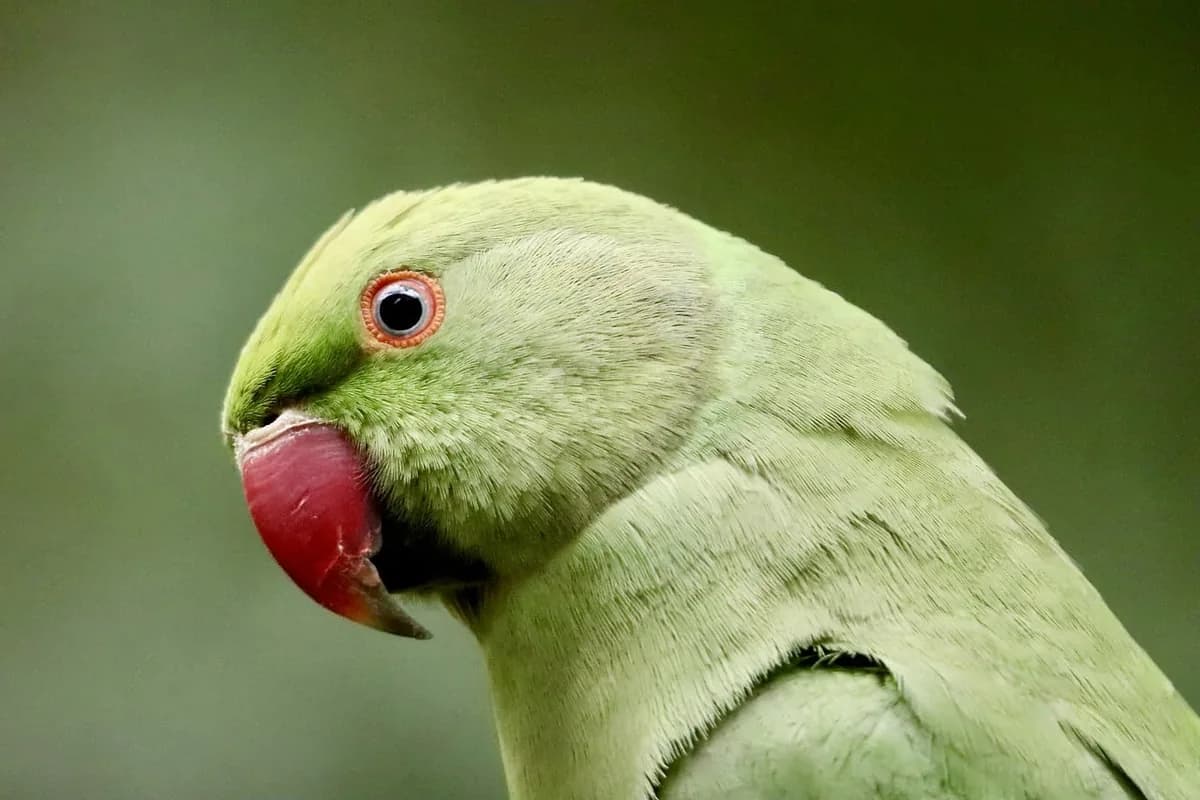
Bourke's Parakeet: The Complete Care Guide for This Gentle Species
Bourke's parakeets are the calmest, quietest parrots you'll ever meet. Perfect for beginners and apartments.
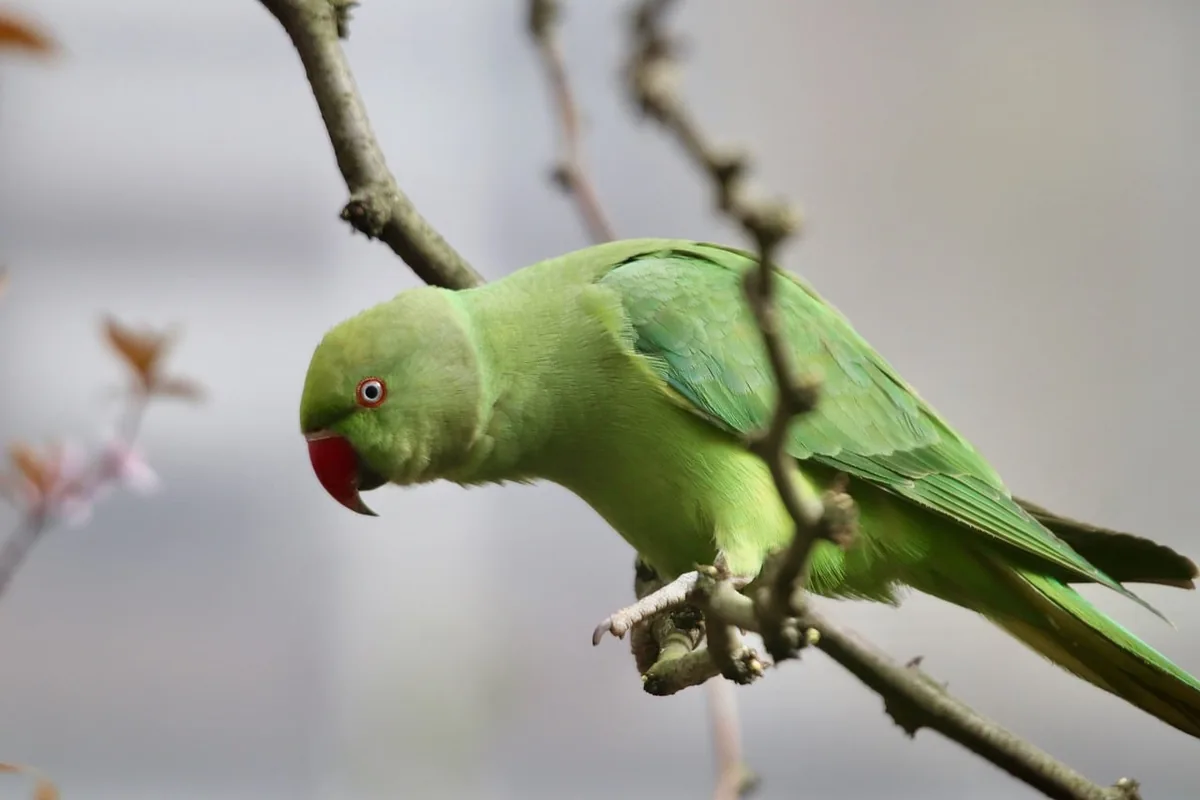
Lineolated Parakeet: The Complete Care Guide for Linnies
Lineolated parakeets (linnies) are quirky, quiet, and surprisingly cuddly. Here's everything you need to know.