Common Caique Health Issues and How to Prevent Them
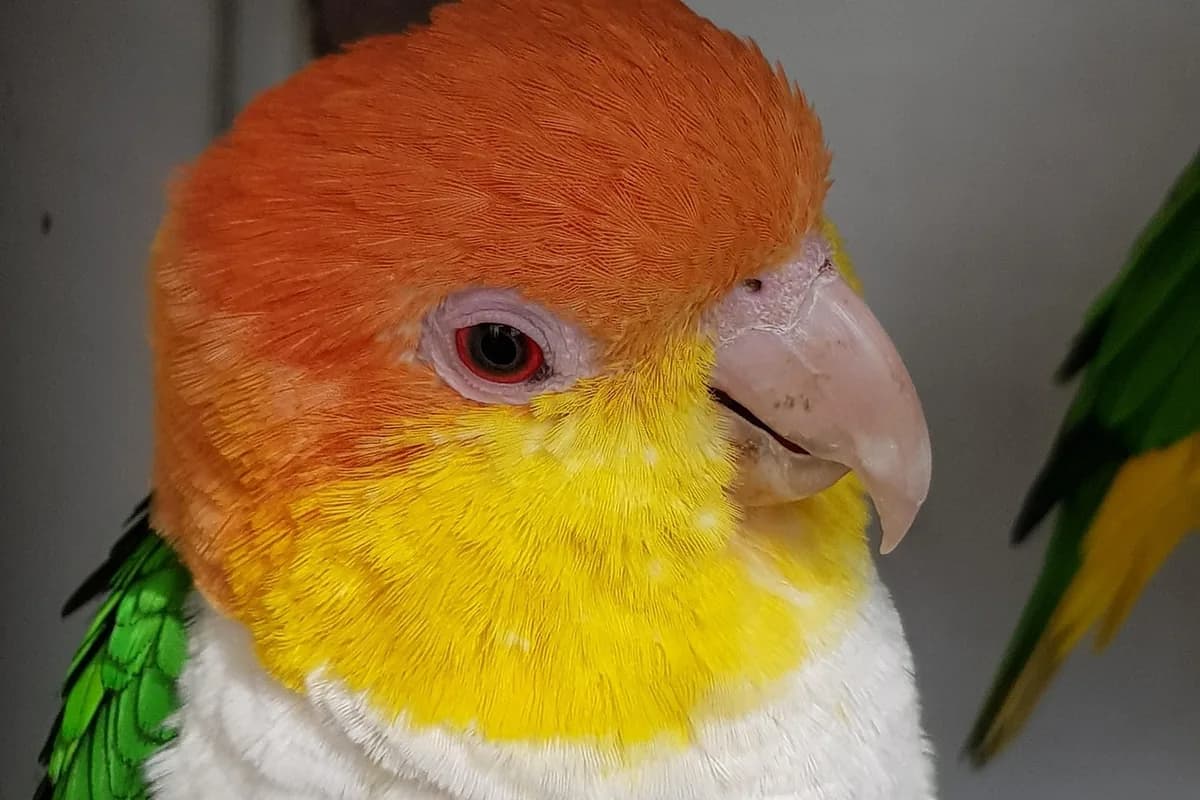
Caiques are hardy, energetic little parrots, and a well-kept one can share your life for 25 to 40 years. But like every bird, they hide illness by instinct — in the wild, a parrot that looks sick becomes a target — so by the time a caique looks unwell, it is often quite unwell. This guide covers the conditions caiques are actually prone to, how to spot trouble early, and when to treat it as an emergency. It stays in the medical lane; diet and behavior have their own articles, referenced only where they bear on health.
Build a Relationship With an Avian Vet First
Before anything goes wrong, find an avian veterinarian and book a wellness exam at least once a year. Not every clinic sees birds, so in the Toronto area it is worth identifying an avian or exotics vet in advance rather than scrambling during an emergency. A typical caique wellness visit includes:
- A full physical exam and an accurate weight in grams
- A look at feather and skin condition, feet, and beak
- Fecal testing and, where indicated, a crop check
- Baseline bloodwork, which is invaluable for catching problems before symptoms appear
An annual baseline also gives your vet something to compare against when your bird is off, which can be the difference between a quick answer and a guessing game.
The Conditions Caiques Are Prone To
Obesity
Caiques are high-energy birds that still gain weight easily, and obesity is one of the most common problems we see in the species. Excess fat strains the heart and can progress to hepatic lipidosis (fatty liver disease), a serious and sometimes fatal condition. Watch for weight climbing above your bird's baseline, fat pads over the chest and belly, and reduced stamina.
Prevention: feed a pellet-and-vegetable diet with nuts and fruit as occasional treats (see the diet guide), guarantee daily physical play and flight or climbing time, and weigh your bird weekly. A healthy adult caique generally sits around 150–170 g.
Tip: A gram scale is the single most useful health tool you can own. Weigh your caique at the same time each day or week — first thing in the morning is ideal. A drop or climb of 10% from baseline is an early warning worth a vet call, often before any other sign appears.
Feather-Destructive Behavior (Plucking)
Caiques are among the parrots prone to feather-plucking, and it is one of the most frustrating problems to solve because the causes are so varied. It may be medical (skin infection, parasites, nutritional deficiency, pain, or PBFD) or behavioral (boredom, stress, insufficient sleep, low humidity, or hormonal frustration).
Prevention and response: always have a vet rule out medical causes first — never assume it is "just behavioral." Then ensure abundant foraging and physical enrichment for this busy species, 10–12 hours of dark quiet sleep, and adequate humidity. Toronto's dry winter indoor heating can leave skin itchy and flaky, so support bathing and consider a humidifier in the coldest months.
PBFD (Psittacine Beak and Feather Disease)
PBFD is a viral disease caused by a circovirus that attacks the feathers, beak, and immune system. Signs include abnormal, clubbed, or lost feathers, beak deformities or lesions, and a weakened immune system that leaves the bird catching secondary infections. It is contagious between birds and is confirmed by a veterinary blood test.
Prevention: quarantine any new bird for at least 30 days before introductions, have new birds tested, practice strict hygiene between birds, and support overall immune health through good diet and low stress. There is no cure, so avoiding exposure is everything.
Foot and Beak Problems
Caiques are active climbers and demolition-focused chewers, so feet and beak take a beating. Problems include pododermatitis (bumblefoot) — sores on the soles from perches that are all one diameter or from an overweight bird's constant pressure — plus overgrown nails and beak, and beak abnormalities that can signal underlying disease.
Prevention: provide natural wood perches of varying diameters (roughly 2–2.5 cm / 3/4 to 1 in) so the feet flex and load differently, keep weight in check, and let a healthy caique wear its beak down naturally on safe chew toys. A beak that suddenly overgrows, flakes, or deforms is a reason to see the vet, not to file it yourself.
Respiratory Illness and Airborne Toxins
Birds have an extraordinarily efficient respiratory system, which also makes them exquisitely sensitive to airborne poisons. Signs of respiratory trouble include tail bobbing with each breath, open-mouth breathing, nasal discharge, sneezing, wheezing, or a change in voice.
Prevention: never use PTFE/Teflon non-stick cookware, self-cleaning oven cycles, scented candles, air fresheners, or aerosol sprays near your bird — fumes from overheated non-stick coatings can kill within minutes. Keep the air clean, and consider a HEPA air purifier near the bird area.
General Signs of a Sick Bird
Because caiques mask illness, learn the quiet tells:
- Fluffed up and lethargic for more than a few hours
- Sitting low, sleeping more, or perching on the cage floor
- Reduced or absent appetite; changes in thirst
- Changes in droppings — color, consistency, volume, or frequency
- Tail bobbing while breathing, or any labored breathing
- Discharge from eyes, nares, or beak
When It Is an Emergency
Contact an avian vet or emergency clinic immediately if you see:
- Labored breathing, tail bobbing, or open-mouth breathing
- Sitting on the bottom of the cage, unable to perch
- Bleeding from anywhere, including a broken blood feather
- Seizures, loss of balance, or collapse
- No appetite for more than 12 hours
- Sudden swelling, or straining as if egg-bound in a female
A small bird has little reserve. When in doubt, call — waiting overnight can be fatal.
Basic Home First Aid
First aid stabilizes; it does not replace a vet. Keep a small kit with styptic powder or cornstarch, clean gauze, and a towel. For a bleeding broken blood feather or nail, apply gentle pressure with styptic powder or cornstarch and keep the bird calm on the way to the vet. Keep a sick or injured caique warm (around 29–32 C / 85–90 F), quiet, and dimly lit while you arrange care. Do not give any human medication.
Warning: Never give a bird over-the-counter human medicines, and never try to trim an overgrown or bleeding beak yourself. Both can cause fatal harm. Stabilize, keep warm, and get to an avian vet.
Preventive Care Checklist
- Annual avian vet wellness exam with baseline bloodwork
- Weekly weight check on a gram scale (baseline ~150–170 g)
- Pellet-and-vegetable diet; nuts and fruit as treats only
- Daily physical play and foraging to fight boredom and obesity
- Natural-wood perches of varying diameters for foot health
- 30-day quarantine and testing for any new bird (PBFD)
- 10–12 hours of dark, quiet sleep nightly
- Humidity around 40–60%; extra support in dry Toronto winters
- A bird-safe home: no Teflon, candles, aerosols, or self-cleaning ovens
Explore related topics
Related Articles
Aspergillosis in Birds: The Invisible Fungal Killer
Aspergillosis is one of the most common and deadly avian diseases. It's caused by a fungus that's everywhere in our environment.
The Avian First Aid Kit: 25 Essential Supplies Every Bird Owner Needs
When an emergency happens, you need supplies ready NOW. Here's what every bird owner should have on hand.
Bird Insurance: Is It Worth It? A Complete Guide to Avian Pet Insurance
A single emergency vet visit can cost $2000+. Pet insurance for birds exists — here's whether it's worth the premium.